





The Modern Plant Alchemist
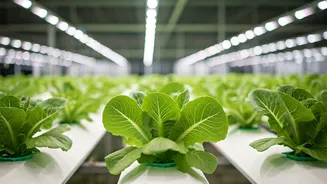
At its core, a hydroponic nutrient formulator is a plant nutritionist. In traditional farming, plants draw nutrients from the soil. In hydroponics—a method of growing plants without soil—they get everything they need from a highly controlled, water-based
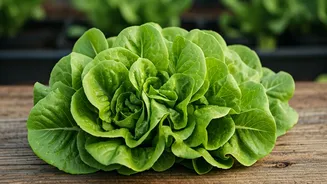
solution. The formulator is the person who designs, manages, and perfects this liquid diet. Think of them as a master chef and a pharmacist rolled into one, creating bespoke nutritional cocktails for plants. They don't just follow a generic recipe; they create precise formulas tailored to the specific crop, its growth stage, and the desired outcome, whether that’s a sweeter strawberry, a crisper lettuce leaf, or a higher-yielding tomato.
A Deeply Specialized Skill Set
This isn't a job you can learn by just watching a few online videos. The “specialized” part of the title is key. A nutrient formulator must be a multidisciplinary expert, blending deep knowledge of plant biology, chemistry, and data science. They need to understand how different nutrients—like nitrogen, phosphorus, potassium, and a dozen micronutrients—affect plant development, from root growth to flowering. They must also be expert chemists, aware of how these elements interact with each other and how factors like pH and water temperature can affect their availability to the plant. Any imbalance can lead to nutrient deficiencies or toxicities, spelling disaster for a crop. This unique combination of green-thumb intuition and hard-science expertise makes the role incredibly difficult to master.
Why the Demand is Surging
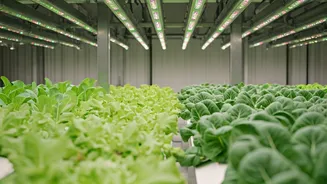
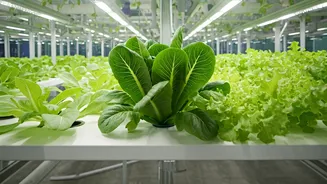
The demand for these specialists is directly tied to the explosive growth of Controlled Environment Agriculture (CEA). As vertical farms and high-tech greenhouses proliferate in and around U.S. cities, the need for people who can maximize their productivity has skyrocketed. These multimillion-dollar facilities are complex ecosystems, and the nutrient solution is their lifeblood. An expert formulator can dramatically increase a farm's yield, improve crop quality, and reduce waste, directly impacting the company's bottom line. This makes them one of the most valuable assets in the building. The pressure to produce consistent, high-quality, local food year-round, regardless of weather or season, has turned this once-niche role into a critical, high-demand position across the agri-tech industry.
A Day in the Life
Forget the image of a farmer in overalls. A nutrient formulator’s day is spent moving between the grow room and the lab. It involves calibrating sensors that monitor pH and electrical conductivity (EC) in real-time, taking leaf tissue samples for analysis, and poring over data on spreadsheets to identify trends. They work closely with head growers to diagnose plant health issues, conduct A/B tests with different nutrient recipes to optimize for flavor or shelf life, and manage the inventory of mineral salts and additives. It’s a role that requires meticulous attention to detail, strong problem-solving skills, and the ability to translate complex scientific data into practical, actionable changes on the farm floor.
The Path to Becoming a Plant Chef
For those intrigued by this career, the path typically starts with a strong academic foundation. A bachelor’s or master’s degree in horticulture, plant science, agronomy, or chemistry is a common prerequisite. However, formal education is only part of the equation. Hands-on experience is non-negotiable. Aspiring formulators often start as assistant growers or lab technicians at a commercial hydroponic facility to learn the practical realities of large-scale production. Gaining a deep understanding of the entire growing system—from lighting and climate control to pest management—is crucial for making informed decisions about nutrition. It's a career built on a fusion of academic knowledge and hard-won practical wisdom.