





The Bollywood Seal of Approval
If you want to understand any major trend in modern India, a good place to start is Bollywood. For Pilates, this is ground zero. The practice was catapulted from a niche fitness method into a mainstream obsession largely on the backs of India's biggest
film stars. Celebrities like Deepika Padukone, Alia Bhatt, and Katrina Kaif don't just attend classes—they post about them, integrating their Pilates routines into their highly curated public personas on Instagram. This has an immediate and powerful effect in a celebrity-obsessed culture. The trainers to the stars, like Yasmin Karachiwala and Namrata Purohit, have become celebrities in their own right, building fitness empires on the principle of aspirational wellness. When a star credits their physique or mental clarity to Pilates, it’s not just a fitness tip; it’s a direct endorsement that transforms the workout into a desirable lifestyle component for millions of their followers.
A New Kind of Status Symbol
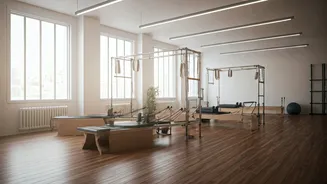
In the U.S., a boutique fitness class can be a pricey indulgence. In India, it’s often on another level—and that’s part of the appeal. A monthly membership at a top-tier Pilates studio in Mumbai or Delhi can cost more than the average monthly salary in some parts of the country. This exclusivity turns the workout into a clear status symbol. It's a quiet announcement of disposable income and access to a globalized, Western-inflected lifestyle. In cities like Mumbai, the financial and entertainment capital, and Bengaluru, India’s Silicon Valley, a new class of high-earning professionals, tech entrepreneurs, and creatives has emerged. For this demographic, spending on wellness is not an expense but an investment in oneself and a marker of having 'arrived.' Attending a fully-booked reformer class isn't just about strengthening your core; it's about being part of a specific, affluent, and modern tribe.
The Anatomy of the Boom
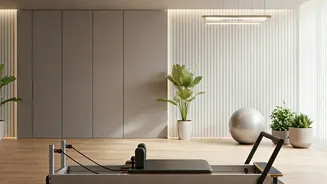
The Pilates craze isn't just happening in a vacuum. It sits at the intersection of several powerful forces reshaping urban India. First, there's a growing awareness of preventative health and wellness, a departure from a traditionally reactive approach to healthcare. Second, the rise of social media has created a visual culture where fitness is performative and aspirational. A picture on a reformer machine gets more social currency than a jog in the park. Third, urbanization has concentrated wealth and ambition in cities like Mumbai and Bengaluru, creating dense markets of consumers eager for new experiences. These cities are hubs for expats and repatriated Indians who bring global trends back with them, helping to seed and normalize practices like Pilates. What starts with celebrities and the ultra-rich gradually becomes aspirational for the upper-middle class, creating a ripple effect that keeps studios perpetually booked.
Beyond the Big Cities
While Mumbai and Bengaluru are the epicenters, the trend is showing signs of democratizing. The pandemic accelerated the adoption of online fitness, with many top instructors offering virtual classes that reached audiences far beyond the major metros. This has helped introduce Pilates to people in Tier-2 and Tier-3 cities. As a result, new, more affordable studios are beginning to pop up in cities like Pune, Hyderabad, and Chennai. The visual, low-impact nature of Pilates also makes it highly adaptable to different fitness levels and body types, broadening its appeal beyond just the super-fit. It’s seen as a more sustainable, long-term fitness practice compared to high-intensity fads, appealing to a wider age range. This slow expansion suggests that while Pilates may have started as an elite phenomenon, its principles are finding a durable home in India's rapidly growing wellness market.