




Why the Shift Is Happening Now
For years, the smart home was a niche hobby for the wealthy and the tech-obsessed. It required custom installations, complex wiring, and a budget that could withstand four-figure price tags for a single system. So, what changed? A perfect storm of factors.
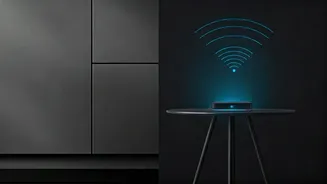
First, the components that power these devices—Wi-Fi chips, sensors, and LEDs—have become dramatically cheaper to produce. Second, the smartphone in your pocket is now the universal remote for your entire life, making a dedicated, clunky wall panel obsolete. Finally, the battle for your home between tech giants like Amazon, Google, and Apple has created fierce competition. Their competing ecosystems (Alexa, Google Assistant, and HomeKit) have driven down prices and forced manufacturers to make their products easy for anyone to set up. This competition turned a luxury good into a mass-market product.
Smart Lighting: Beyond the Party Trick
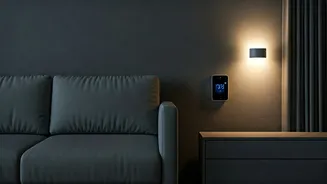
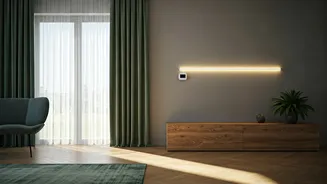
The initial appeal of smart lighting was often the novelty—changing your living room lights to purple with a voice command is a fun party trick. But the real value that’s driving widespread adoption is far more practical. For starters, there’s security. Scheduling lights to turn on and off while you’re on vacation is a powerful, modern deterrent that’s far more convincing than a simple timer. Then there's energy efficiency. Smart bulbs, which are almost always LEDs, use significantly less power than incandescent bulbs. Add in the ability to dim them and set schedules, and the energy savings become substantial over time. Finally, there’s ambiance and wellness. You can program your lights to slowly brighten in the morning for a gentler wake-up or shift to warmer, dimmer tones in the evening to help you wind down. What was once a gimmick is now a tool for saving money, enhancing security, and improving daily routines.
Climate Control: Comfort Meets Conservation
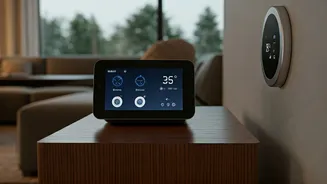
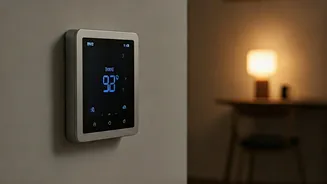
The programmable thermostat was the first step, but automated climate control is the revolutionary leap. Smart thermostats, like the popular Google Nest or Ecobee models, do more than just follow a rigid schedule. They use sensors and complex algorithms—and sometimes the GPS from your phone—to learn your household's patterns. They know when you leave for work and can automatically set the temperature to an energy-saving level. They learn how long it takes to heat or cool your home and can start the process just in time for your return, ensuring you walk into a comfortable house without wasting hours of energy. This isn't just about the convenience of changing the temperature from your bed. It’s about optimizing one of the biggest expenses in any home—heating and cooling—without sacrificing comfort. Many utility companies even offer rebates for installing them, further lowering the barrier to entry.
The New Definition of 'Standard'
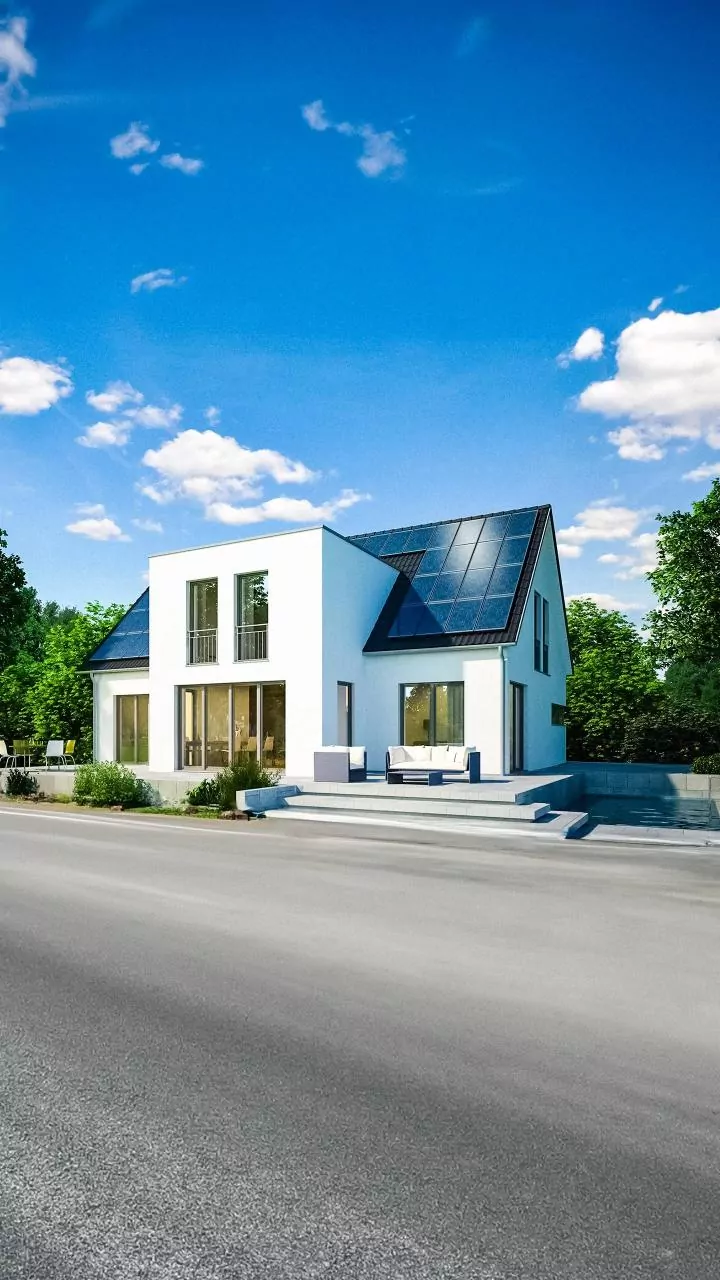
Perhaps the most telling sign that these technologies have gone mainstream is their inclusion in new home construction. A decade ago, a smart thermostat was a high-end upgrade. Today, builders of mid-range suburban developments and even urban apartment complexes are increasingly offering smart thermostats, video doorbells, and basic smart lighting packages as standard features. They are no longer seen as extravagant add-ons but as expected amenities, much like a dishwasher or in-unit laundry. This shift signals that the market no longer considers these items luxuries. They've become part of the modern definition of a functional, efficient home, and their absence is starting to be more noticeable than their presence.
Getting Started Is Easier Than You Think
The thought of 'automating your home' can sound intimidating, but the entry point is now incredibly low. You don't need a custom installer or a master's degree in computer science. You can start with a single $10 smart plug to automate a lamp or a coffee maker. A starter kit with two smart bulbs and a hub can often be found for under $50. Most of these devices are designed to be 'plug-and-play,' with simple-to-follow instructions in an app. You can build your system slowly, one device at a time, without a huge initial investment. This scalability is key to its democratization—you can dip your toe in the water before deciding to dive in.