




So, What Exactly Is Dahi?
First, let's clear something up: calling dahi 'Indian yogurt' is like calling a katana 'a Japanese sword.' It’s technically true but misses the entire point. Dahi is a traditional fermented milk product, and its magic lies in its unique preparation. Unlike
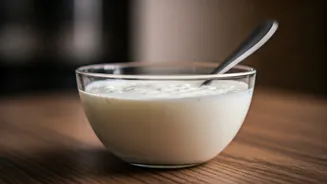
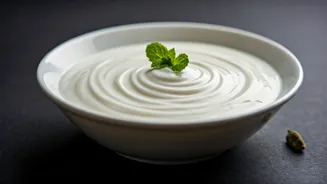
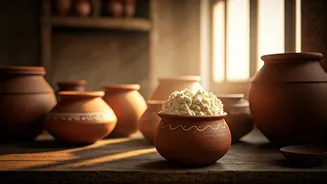
most commercial yogurts that use standardized, isolated bacterial cultures in a factory setting, authentic dahi is made using a 'jamun,' or starter culture, from a previous batch. A small spoonful of existing dahi is mixed into warm milk and left to set for several hours in a warm place. This heirloom method passes down a complex, ever-evolving ecosystem of live bacteria from generation to generation, creating a taste and texture that is subtly tangy, light, and completely distinct from the thick, strained Greek yogurt most Americans are used to.
The Probiotic Powerhouse
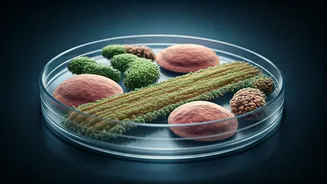
This is where dahi earns its 'hero' status. That homemade fermentation process cultivates a diverse array of beneficial bacteria, including various strains of Lactobacillus. These are the probiotics that modern science celebrates for their ability to support a healthy gut microbiome, aid digestion, and boost the immune system. For millennia, Indian families have relied on dahi as a digestive aid, especially after a heavy or spicy meal. It’s a natural, whole-food source of the 'good bugs' that supplement companies now sell in expensive capsules. The live and active cultures in dahi are more than just an ingredient; they are the core of its function as a wellness tool that’s been hiding in plain sight.
The Culinary MVP
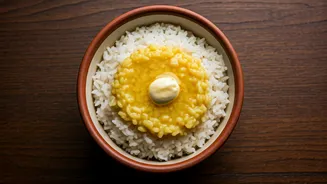
Dahi’s 'OG' credentials aren’t just about its age; they're about its versatility. In the U.S., yogurt is primarily a breakfast food, maybe with some granola sprinkled on top. In India, dahi is a culinary workhorse present at almost every meal. It's the cooling agent in raita, a yogurt-based side dish with chopped vegetables and spices that balances the heat of a spicy curry. It’s the tenderizing marinade for chicken in dishes like tandoori and butter chicken, where its enzymes break down proteins to create incredibly moist meat. It’s the base for lassi, the world-famous savory or sweet yogurt drink that provides refreshment on a hot day. It’s even eaten plain with a pinch of salt or sugar alongside rice and lentils. Dahi isn't a trend; it's a foundational element of the cuisine.
Dahi vs. The World of Yogurt
If your primary yogurt experience is the ultra-thick, protein-dense Greek variety, dahi will be a revelation. Greek yogurt is heavily strained to remove most of the whey (the liquid part), which concentrates the protein and creates that signature dense, almost cheese-like consistency. Dahi is typically unstrained, leaving it lighter, looser, and with a more pronounced, refreshing tang. While both offer probiotic benefits, dahi's character is less about being a protein bomb and more about being a dynamic culinary ingredient and digestive aid. It assimilates into dishes in a way that its thicker cousins can't, providing moisture and a subtle sourness without overwhelming the other flavors.
A Ritual in Every Home
Perhaps the most telling sign of dahi’s status is that, for countless families in India, it’s not something you buy—it’s something you make. The daily or weekly ritual of setting dahi is a cornerstone of home cooking, a practice passed down through generations. It represents self-sufficiency, tradition, and a deep, intuitive understanding of food as medicine. This isn't a 'fun DIY project' found on a blog; it’s a fundamental part of running a kitchen. In a world of hyper-processed, packaged foods, the simple act of making dahi is a connection to a more sustainable and time-honored way of eating, proving that the most powerful health trends are often the ones that have been with us all along.