
What Is 'Hormone-Friendly' Eating?
At its core, hormone-friendly eating isn't a restrictive diet with a long list of forbidden foods. Instead, it’s a nutritional philosophy focused on supporting your body's endocrine system. This complex network of glands produces hormones—chemical messengers
that regulate everything from your mood and energy levels to your metabolism and reproductive cycle. The goal is to choose foods that help maintain the delicate balance of key players like insulin (blood sugar), cortisol (stress), and the sex hormones estrogen and progesterone. It’s less about 'good' versus 'bad' foods and more about what your body might need at a particular time to function optimally.
Why Is This Trending Now?
The rise of hormone-focused wellness is a direct response to the shortcomings of one-size-fits-all diet culture. For years, women's health, in particular, was often overlooked in nutritional research, with many studies defaulting to a male biological standard. This new conversation is being led by a generation questioning why they should feel tired, irritable, or plagued by PMS as a 'normal' part of life. The trend empowers people, especially women, to tune into their bodies' unique rhythms rather than fighting against them. It swaps the scales and measuring cups for a more intuitive approach focused on internal cues like energy, sleep quality, and mental clarity.
The Cycle Syncing Connection
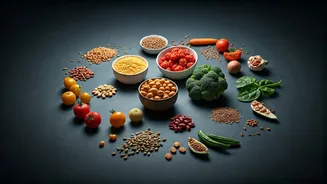
One of the most popular applications of this concept is 'cycle syncing'—aligning your diet, and sometimes exercise, with the different phases of the menstrual cycle. The idea is that your hormonal landscape, and therefore your body's needs, shifts dramatically over the course of a month. For example, during the menstrual phase (your period), you might focus on iron-rich foods like lentils and leafy greens to replenish blood loss. In the follicular phase that follows, as estrogen rises, lighter foods and complex carbs might support energy. During the luteal phase (pre-period), the focus may shift to magnesium-rich foods like dark chocolate and nuts to potentially ease PMS symptoms and cravings.
The Building Blocks of Hormonal Health
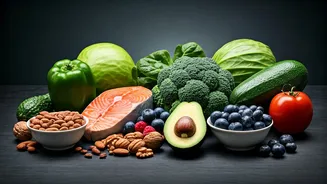
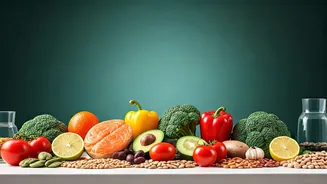
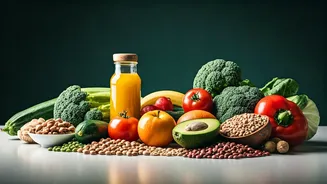
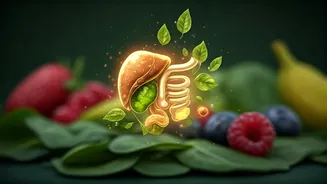
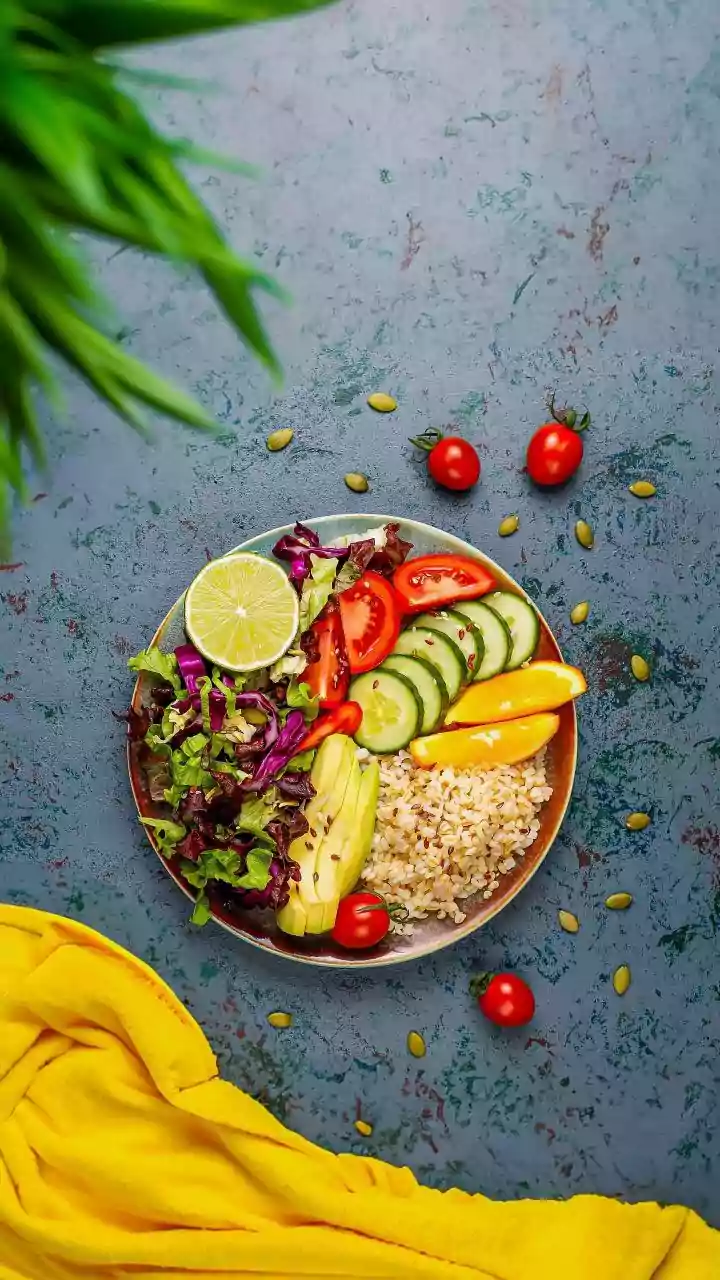
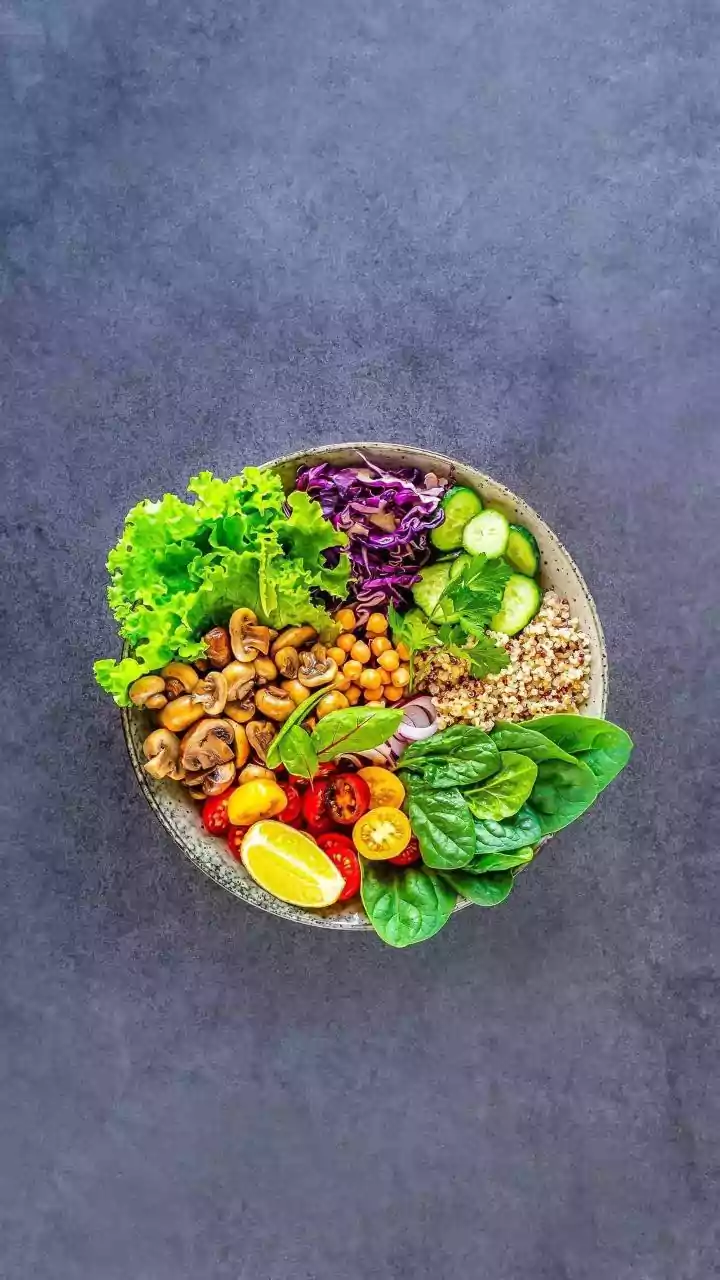
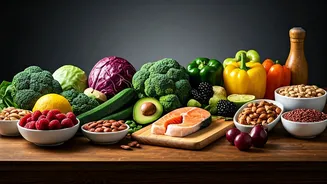
While specific plans vary, most hormone-friendly approaches are built on a few key nutritional pillars. First is blood sugar balance, achieved by pairing carbohydrates with protein and healthy fats to avoid energy spikes and crashes that tax your system. Second is an emphasis on fiber, which is crucial for gut health and helps the body process and eliminate excess estrogen. Third is a focus on healthy fats from sources like avocados, olive oil, and nuts, which are the literal building blocks for producing hormones. Finally, many advocates highlight the role of cruciferous vegetables (like broccoli and cauliflower) in supporting the liver, the body's primary detoxification organ.
Is It Legit or Just Another Fad?
Here's the balanced take: while the marketing term 'hormone-friendly eating' is new, the underlying principles are not. The core tenets—eat whole foods, manage stress, get enough fiber, and consume healthy fats—are cornerstones of sound nutrition advice backed by decades of science. However, the specific, targeted claims of 'cycle syncing' your food for dramatic results have less robust clinical evidence from large-scale human trials. Many of the benefits people report may come from simply paying closer attention to their bodies and swapping processed items for nutrient-dense whole foods. Think of it as a new, more intuitive packaging for long-standing wisdom, tailored to an audience that's tired of being told to just eat less and move more.