


The Reign of Mist
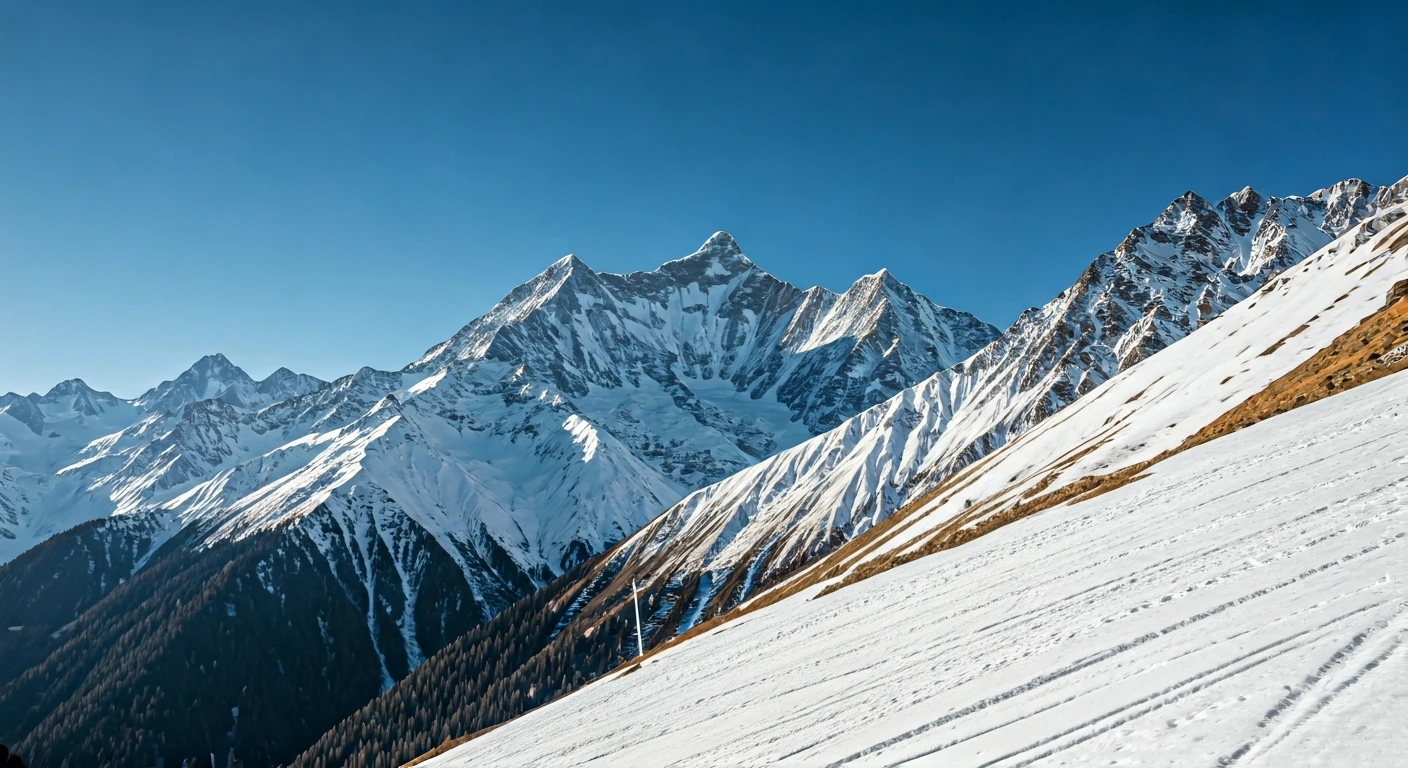
The most dramatic change is the arrival of the mist. It rolls up from the valleys, a silent, white tide that swallows the world-famous views of Kanchenjunga, the world's third-highest peak. For visitors expecting postcard-perfect Himalayan sunrises, this
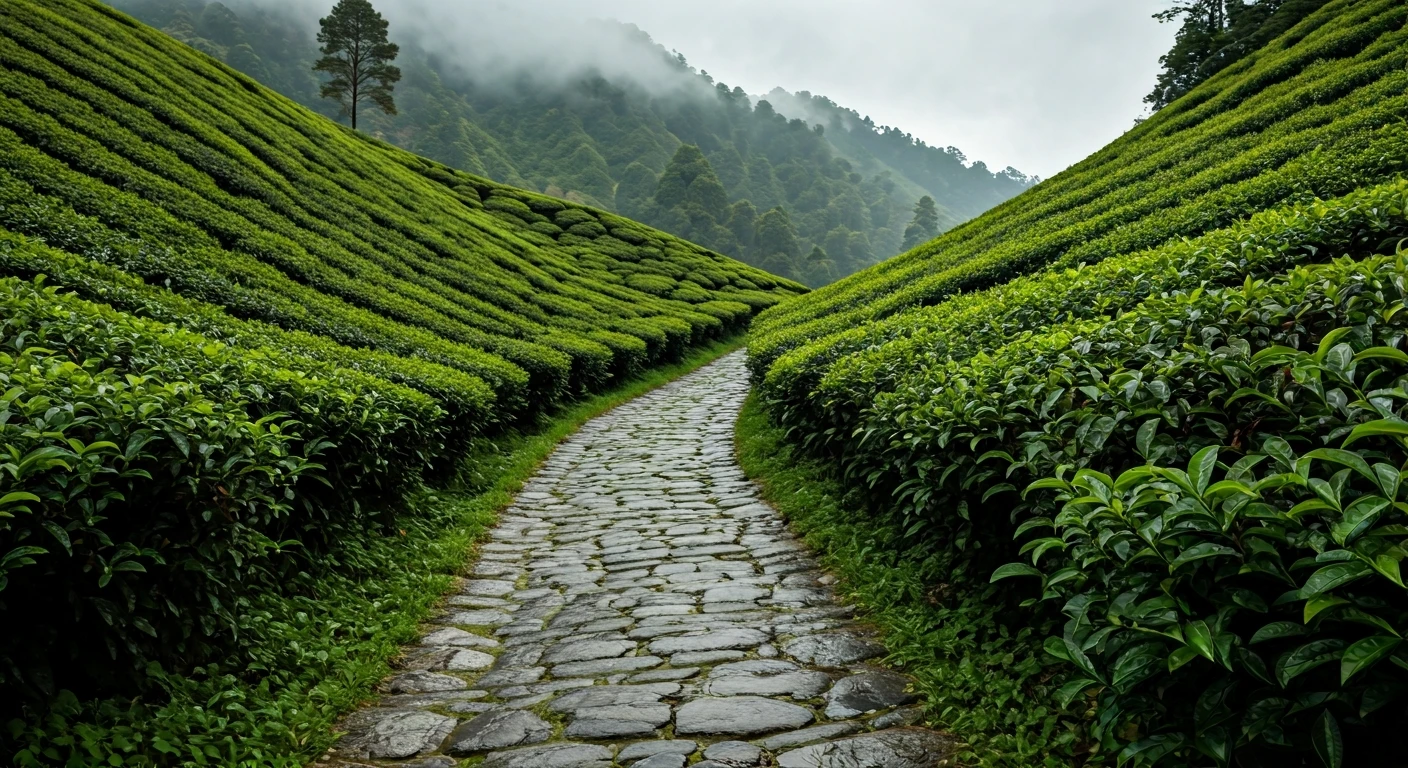
can seem like a disappointment. But for those who stay, the fog reveals a different kind of magic. It turns the familiar into the mysterious. A winding road disappears into a cloud just a few feet ahead. Prayer flags flutter, their bright colors softened into pastels. The mist forces you to focus on what’s right in front of you: the intricate web of a spider glistening with dew, the weathered face of a colonial-era building, the sudden, breathtaking appearance of a sliver of a green valley as the clouds part for a fleeting moment. It’s a landscape in constant flux, where the view is not a static panorama but a living, breathing entity.
Fifty Shades of Green
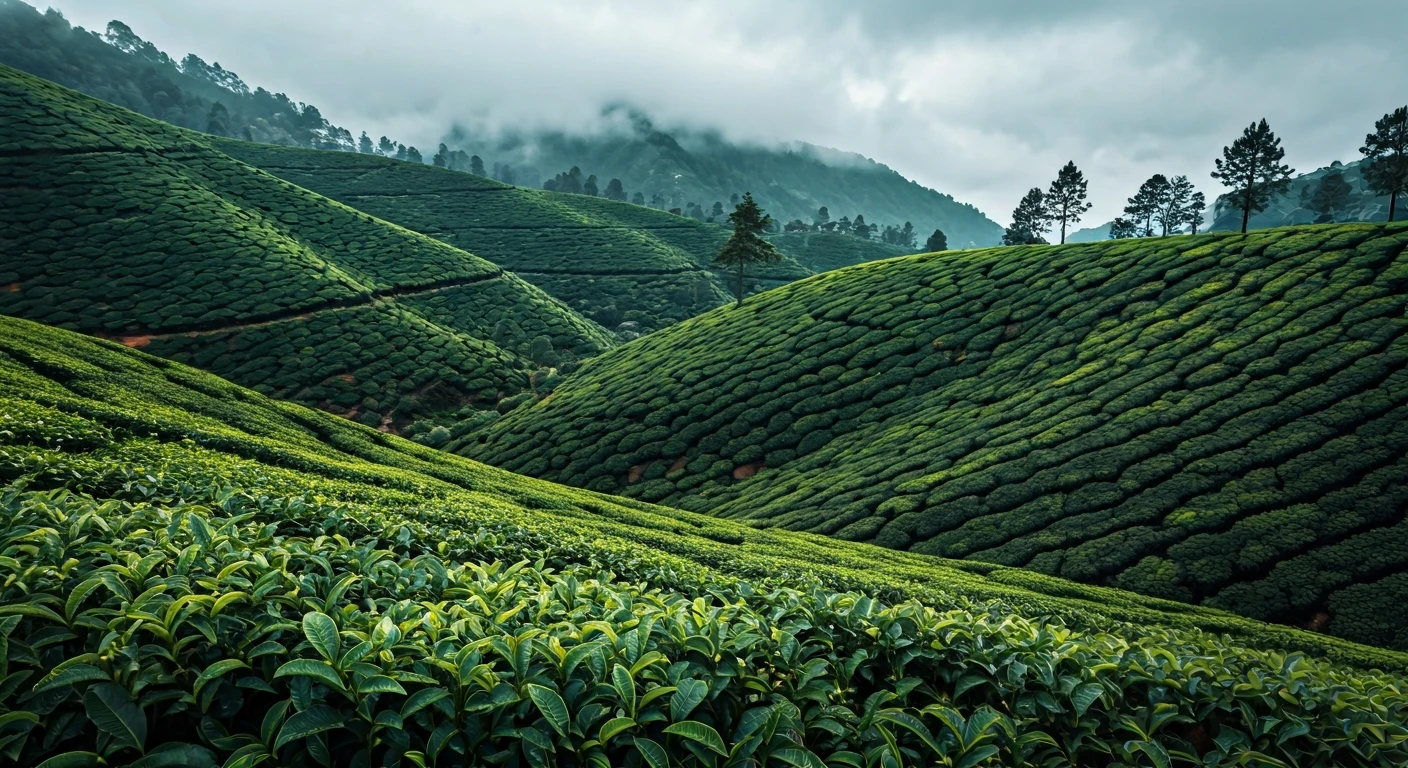
If the mist provides the canvas, the rain provides the paint, and its only color is green. The monsoon awakens a primal vibrancy. Every surface seems to erupt with life. Moss, thick as velvet, carpets stone walls and tree trunks. Ferns of a dozen varieties unfurl in the damp air. And then there are the tea gardens. The neat, rolling hills of tea bushes—Darjeeling’s economic and cultural heart—take on a lustrous, almost electric green under the constant drizzle. The rain washes the leaves, making them shine. Workers in colorful waterproofs move through the rows, their forms hazy figures in the distance. The air is thick with the scent of wet earth and fresh tea leaves, a petrichor so profound it feels like you can taste it. This isn't just nature; it's agriculture as art, sculpted by the season.
The Cozy Indoors
As the outdoors becomes a watercolor painting, life moves indoors, fostering a unique culture of coziness. The damp chill in the air makes the warmth of a café or a hotel lounge irresistible. This is the season for contemplation. The soundtrack is the rhythmic drumming of rain on a tin roof. The perfect accompaniment is a cup of the local treasure: first or second-flush Darjeeling tea, its delicate, muscatel flavor a perfect counterpoint to the moody weather. It's a time for reading a book by a window, watching the clouds drift by. It’s also a time for food that warms from the inside out. Street vendors sell roasted corn on the cob, slathered in salt and lime. Restaurants and homes fill with the steam from hot thukpa (noodle soup) and perfectly pleated momos (dumplings), served with a fiery chili sauce that cuts through the gloom. Social life doesn't stop; it just gets closer.
A Slower Rhythm
The monsoon enforces its own pace. Plans become tentative, subject to the whims of the weather. A walk might be interrupted by a sudden downpour, forcing you to take shelter under the awning of a shop, sharing a small space with strangers, all watching the same spectacle. The relentless rain can trigger landslides, a real and present danger that reminds everyone of nature’s power. But it also teaches a lesson in surrender. There’s no rushing in the rain. You learn to walk more slowly, to appreciate the shelter, to accept that you are not in control. This forced slowdown is a gift. It quiets the tourist buzz, leaving behind a more authentic, lived-in town. You see Darjeeling not as a destination to be consumed, but as a community adapting to the rhythm of the season.