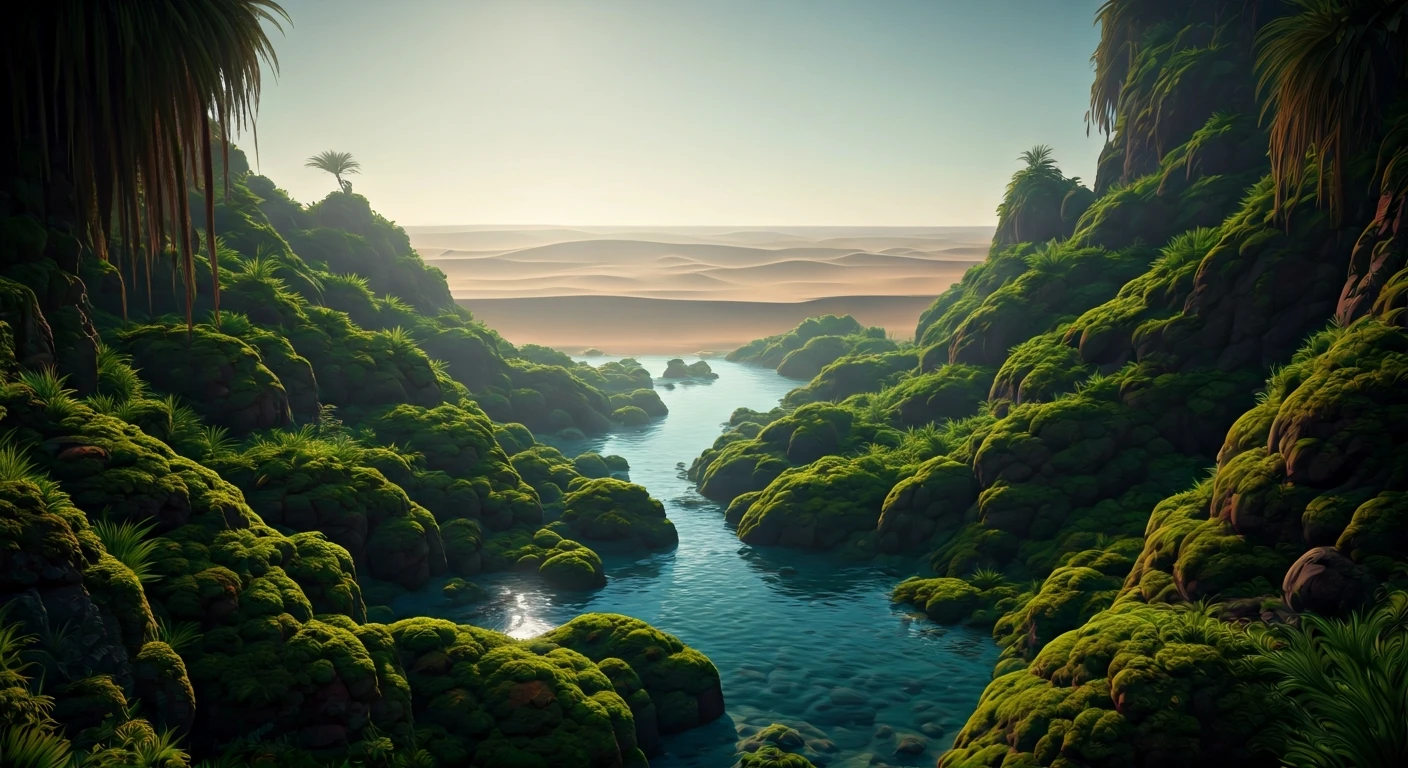

An Oasis in the Desert
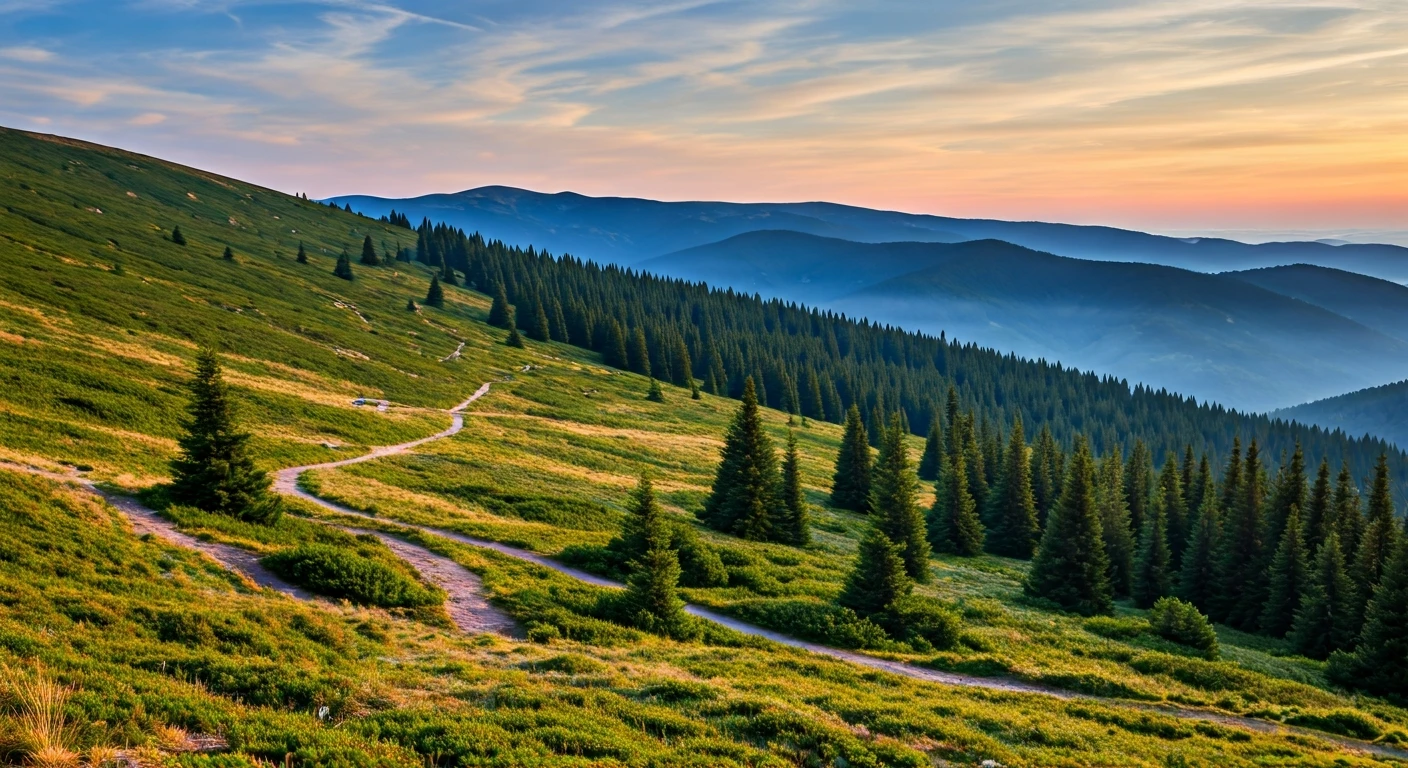
For most Americans, Rajasthan evokes images of the golden sands of the Thar Desert. But nestled in the Aravalli Range is Mount Abu, an anomaly that has served as a summer refuge for centuries. Historically, these 'hill stations' were developed by the British
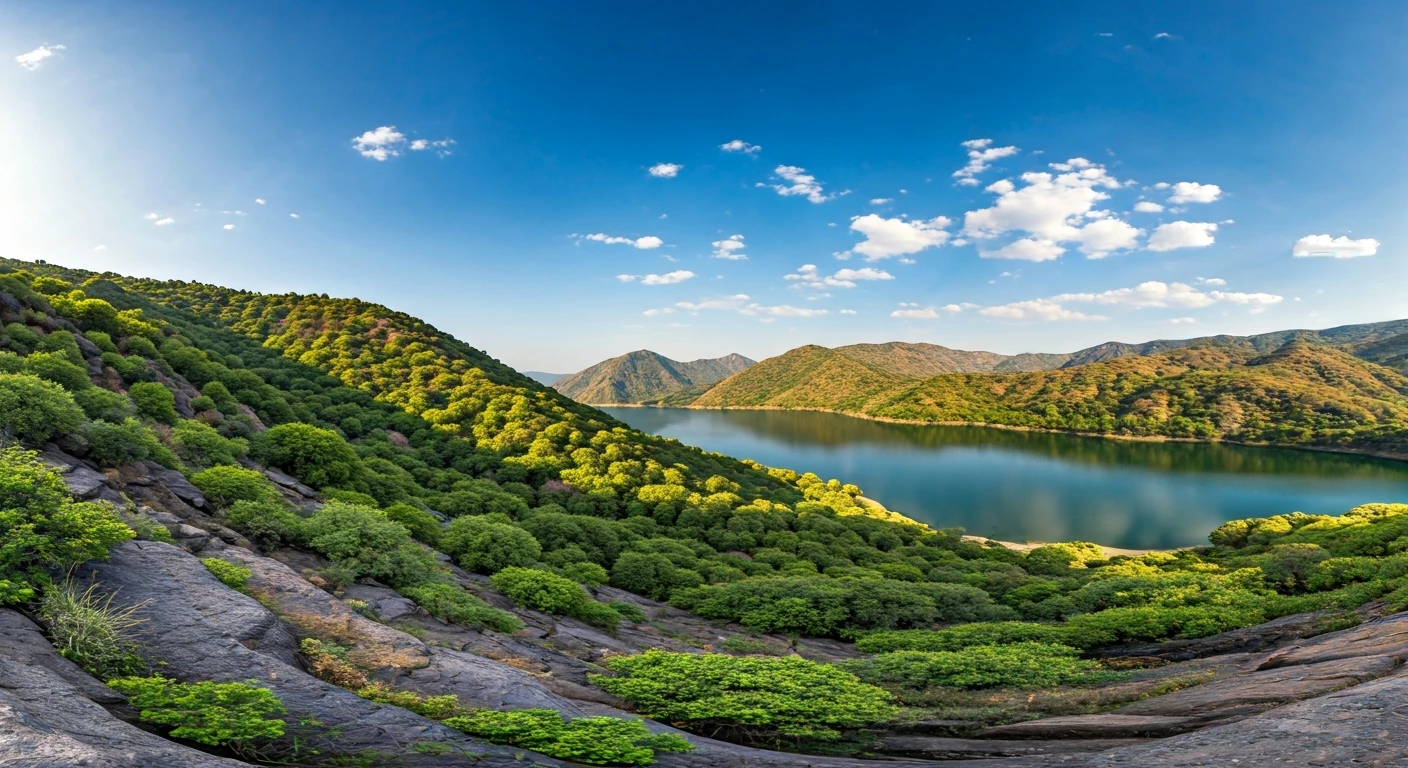
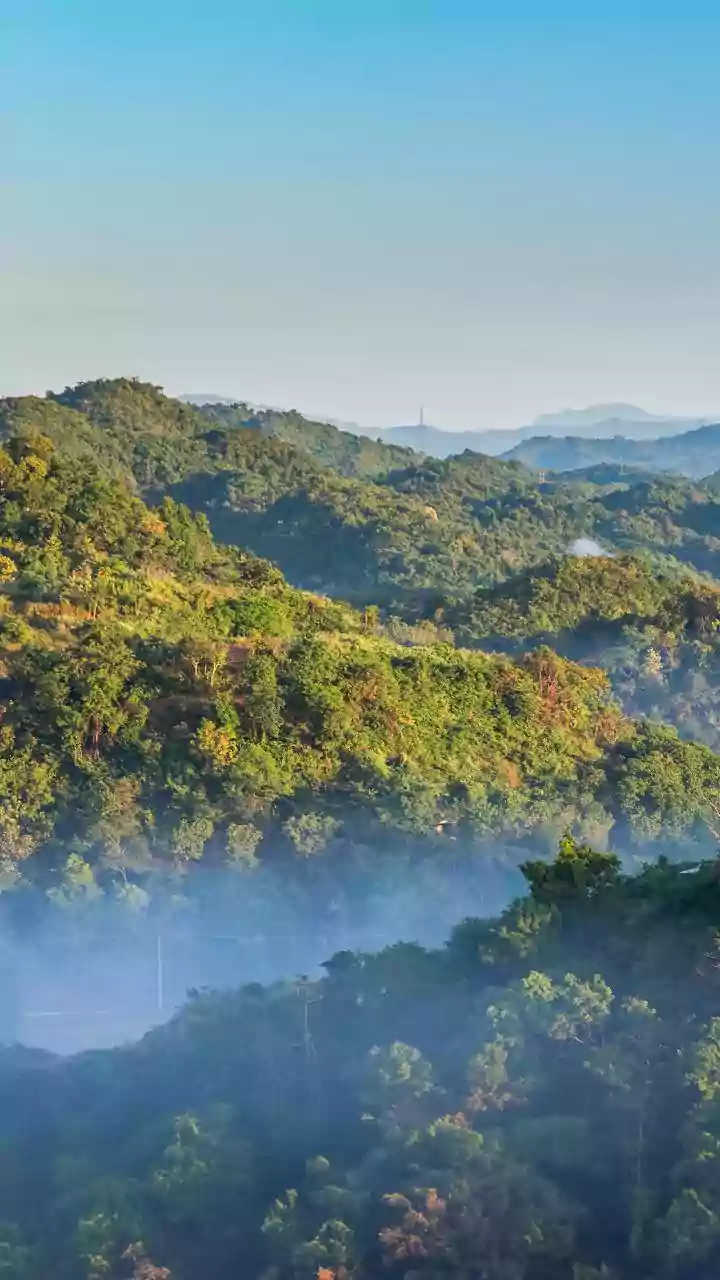
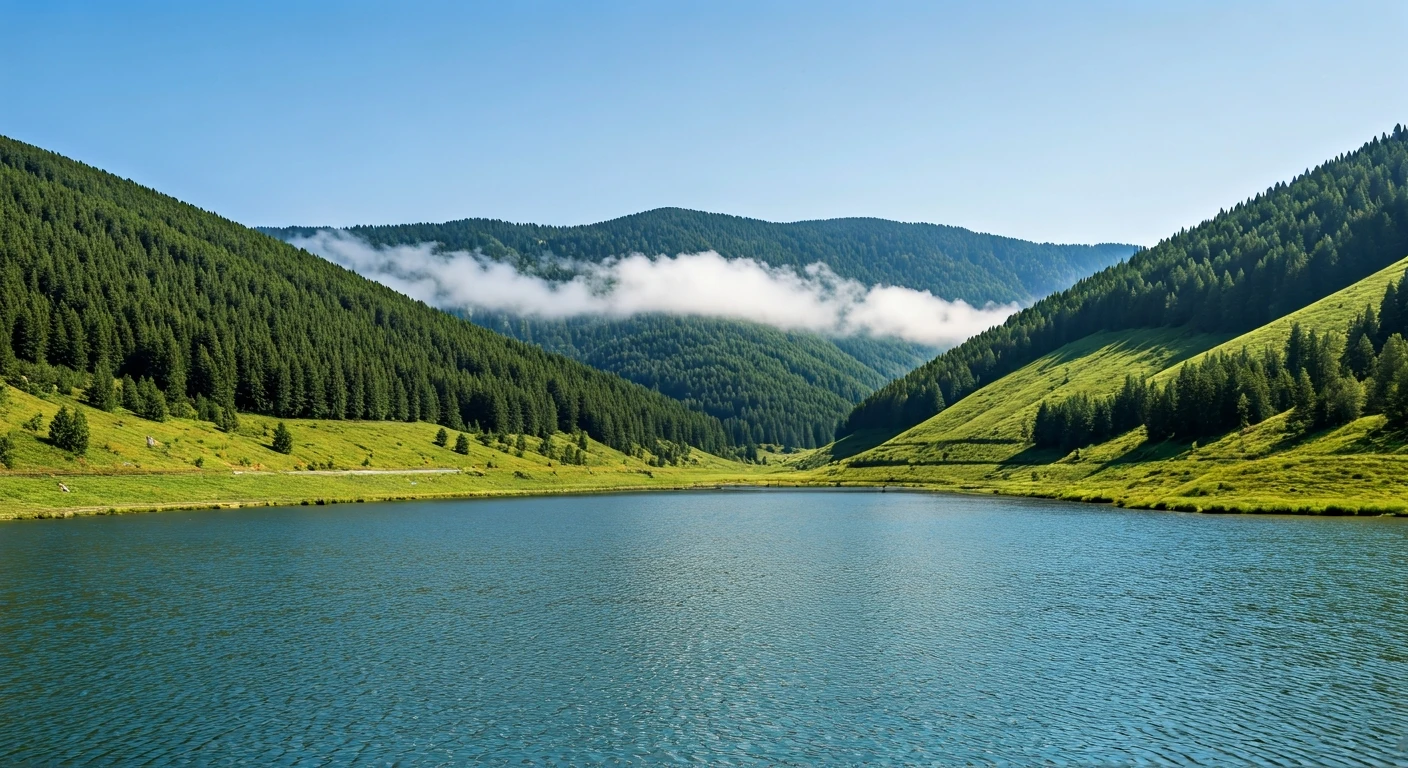
as escapes from the blistering heat of the plains. Mount Abu is Rajasthan's answer to that need—a lush plateau sitting at 4,000 feet, where summer temperatures are pleasantly mild while the rest of the state swelters. Its 'summer comeback' isn't a formal event but a seasonal transformation, as visitors flock here to trade oppressive heat for cool breezes, dense forests, and a tranquil atmosphere. It's the ultimate contrast, offering a side of this iconic Indian state that few international travelers get to see.
The Serene Heart: Nakki Lake
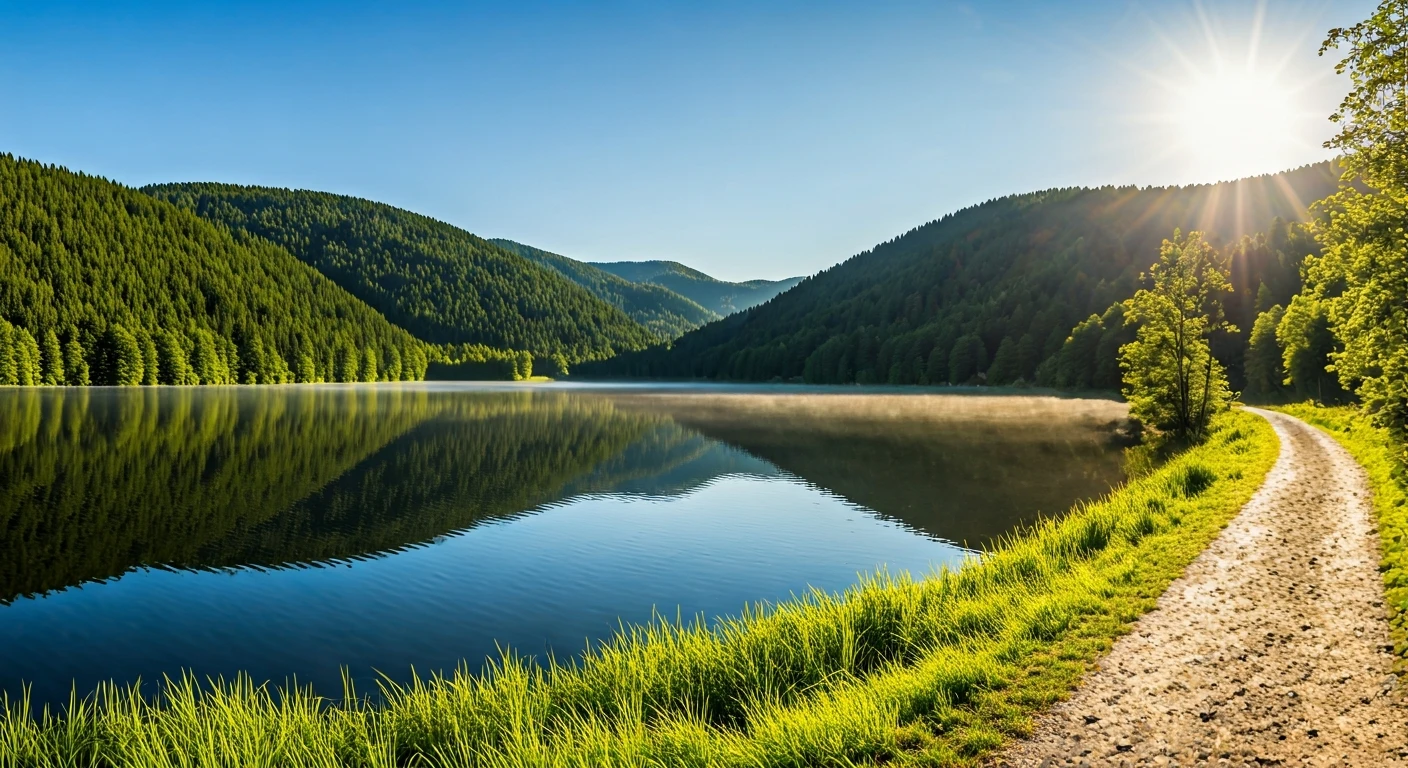
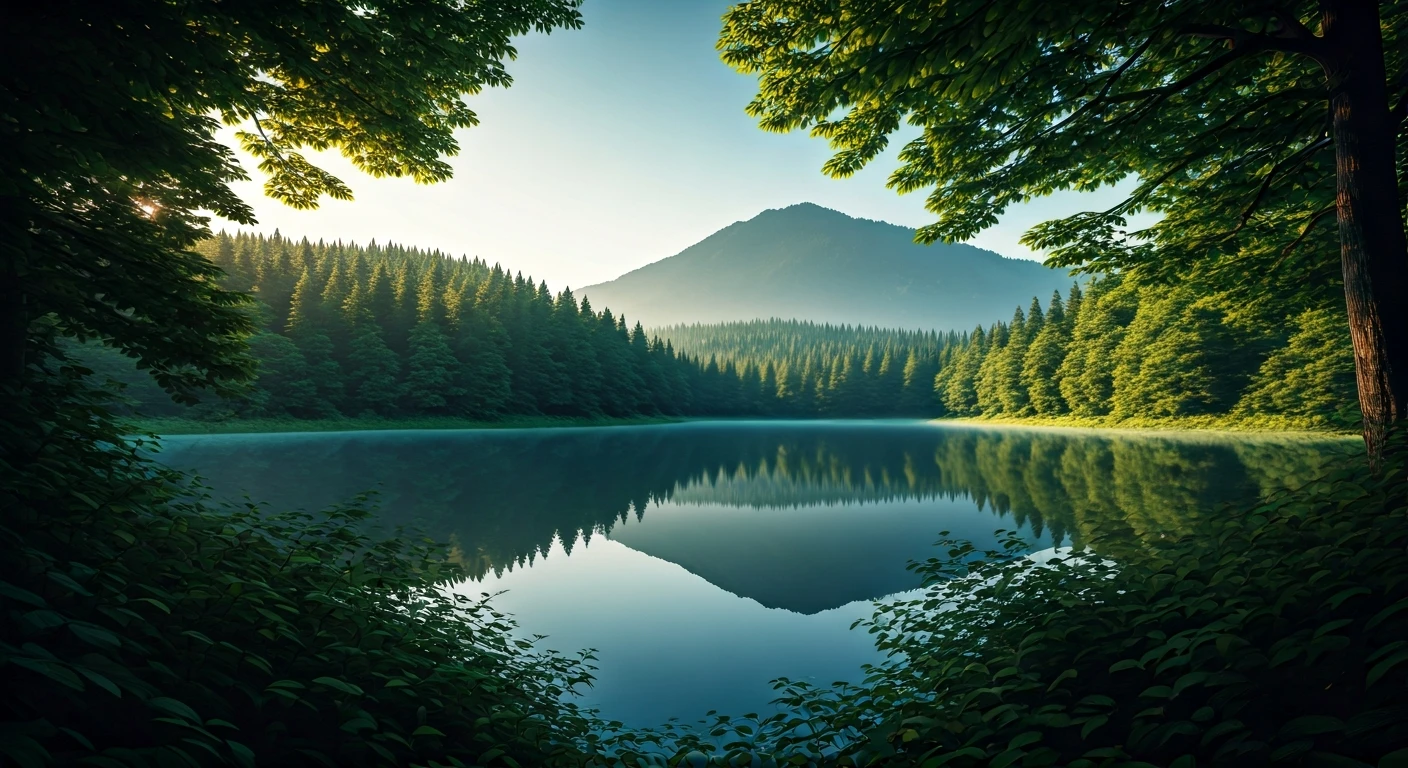
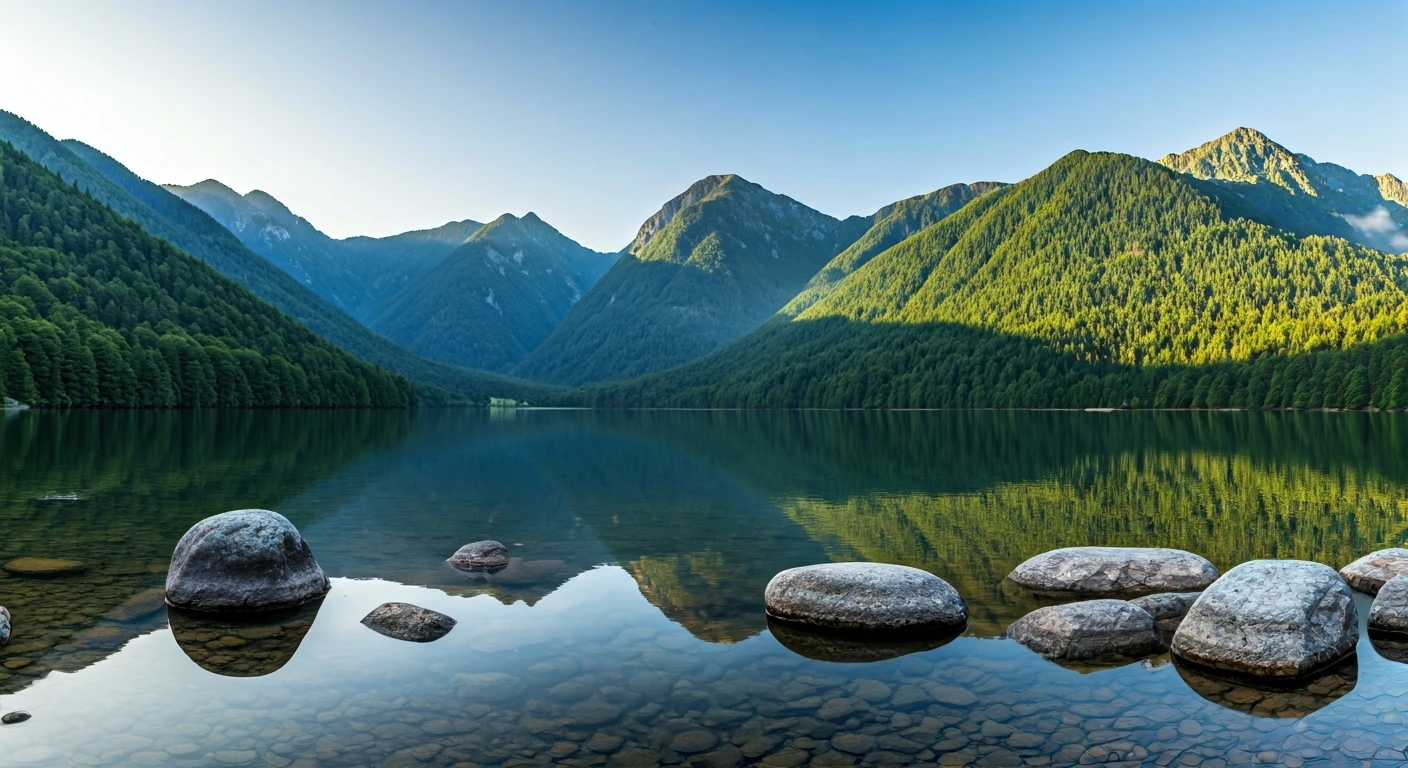
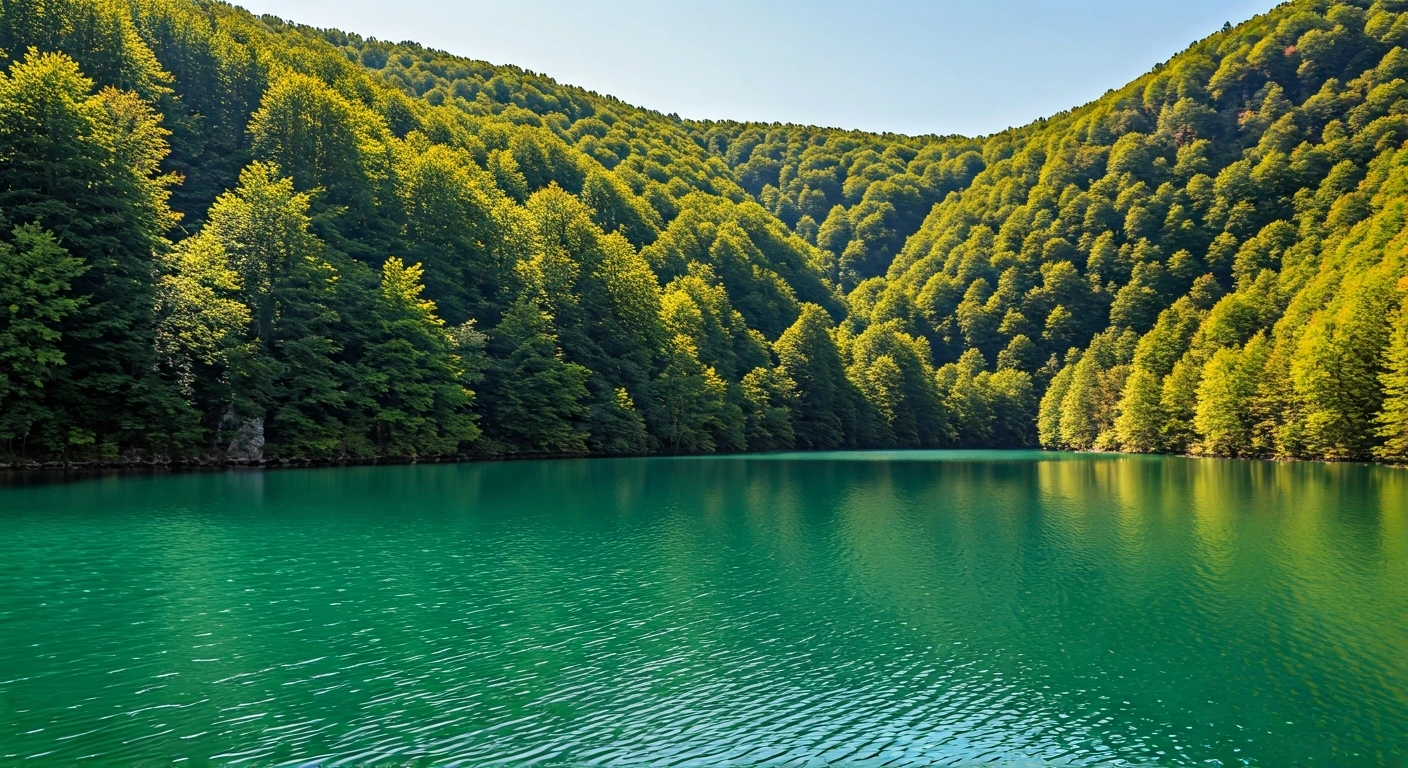
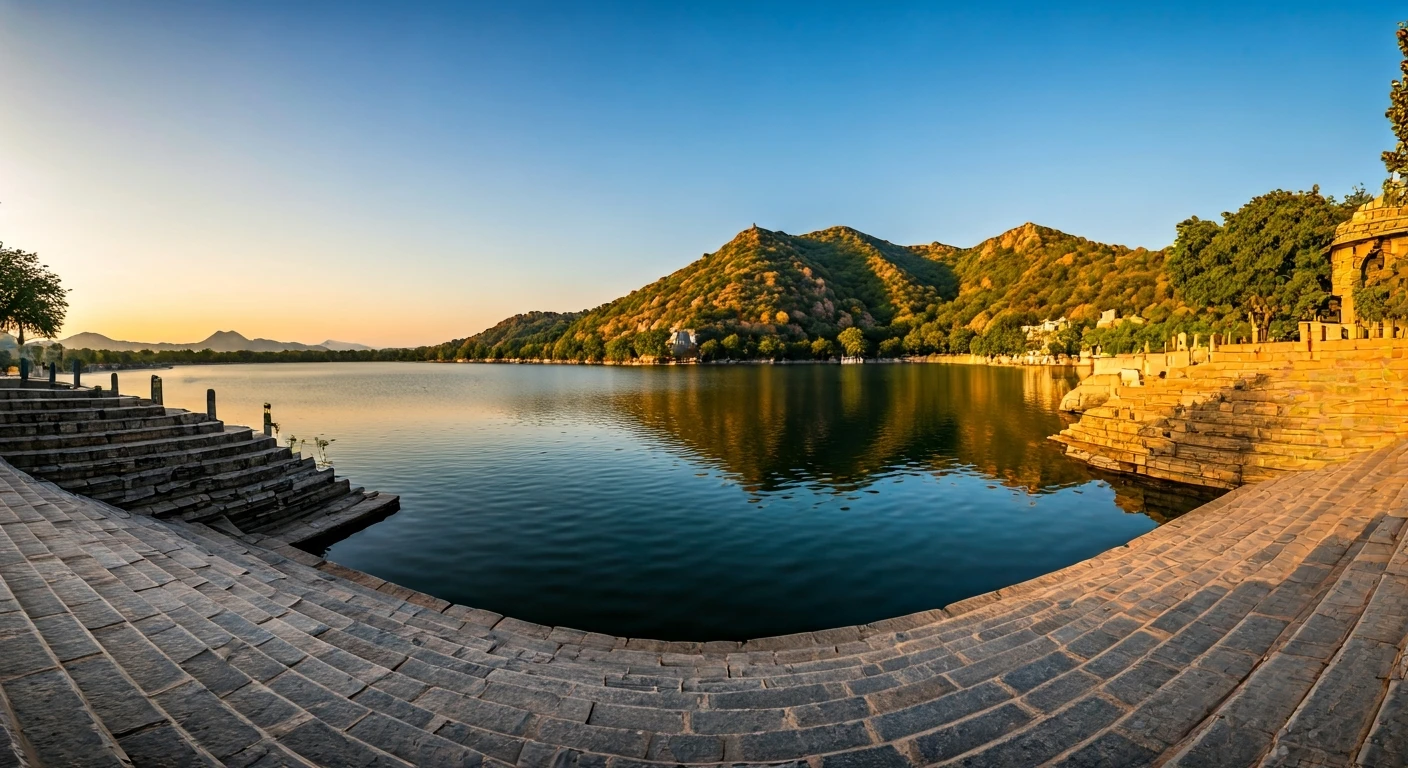
The centerpiece of Mount Abu is Nakki Lake, a man-made body of water steeped in local legend. According to mythology, it was dug out by the gods using their fingernails (or 'nakh'). Today, it’s the town’s social and recreational hub. The best way to experience it is by renting a paddleboat or a classic 'shikara' (a colorful wooden boat reminiscent of those in Kashmir) and enjoying the views of the surrounding hills. The path circling the lake is perfect for a leisurely stroll, especially in the early morning or late afternoon. Lined with gardens, ice cream vendors, and small eateries, the area around the lake buzzes with a relaxed, vacation-like energy that defines the Mount Abu summer experience.
Architectural Marvel: The Dilwara Temples
While the natural beauty is the initial draw, Mount Abu's greatest treasure might be the Dilwara Temples. From the outside, they appear deceptively simple. But step inside, and you’re greeted by some of the most intricate and breathtaking marble carving work on the planet. Built between the 11th and 13th centuries, these five Jain temples are a masterclass in artistry. Every surface—from the ceilings to the pillars—is covered in delicate, lace-like patterns, depicting scenes from Jain mythology with almost unbelievable precision. The level of detail rivals that of the Taj Mahal, yet these temples remain a quieter, more spiritual destination. Visiting them feels less like tourism and more like witnessing a sacred, preserved art form.
The View from the Top: Guru Shikhar
For the best panoramic views, head to Guru Shikhar, the highest peak in the Aravalli Range at 5,650 feet. A short drive followed by a few hundred steps takes you to the summit, where a small temple dedicated to Guru Dattatreya, an incarnation of the Hindu deity Vishnu, awaits. The real reward, however, is the sweeping vista of the entire Mount Abu region and the vast plains stretching out below. It’s a powerful vantage point that truly puts the 'oasis in the desert' concept into perspective. The air is thinner and cooler up here, and on a clear day, the sense of peace and scale is profound.
Sunset Points and Summer Bazaars
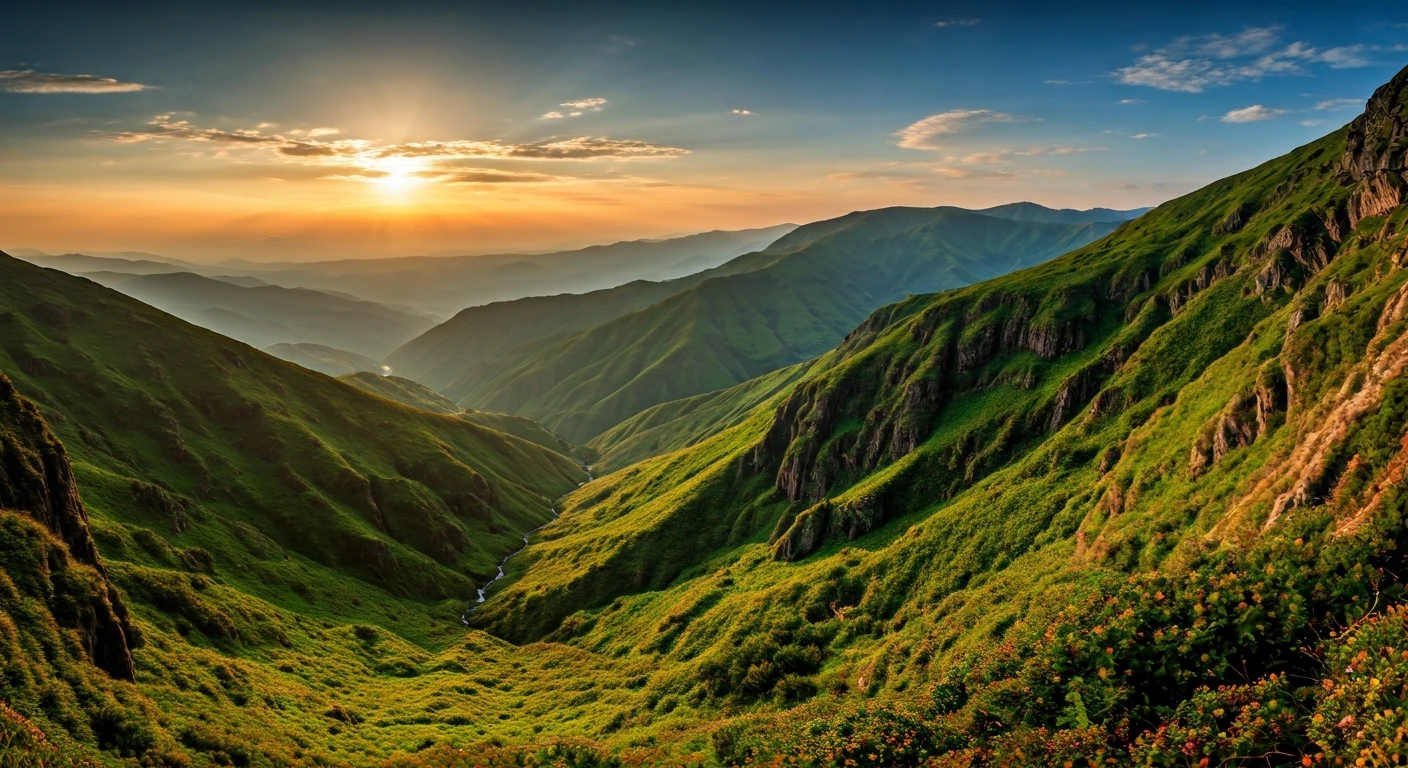
As the day winds down, Mount Abu offers another daily ritual: watching the sunset. Sunset Point is the most popular spot, offering a classic view of the sun dipping below the distant hills, casting a warm orange glow over the landscape. Afterward, the town's main bazaar comes to life. It’s a fantastic place to wander, browse local handicrafts, and sample street food. Unlike the grand markets of Jaipur or Jodhpur, the Mount Abu bazaar feels more intimate and tourist-focused, offering everything from Rajasthani textiles and silver jewelry to the town's famous soft, creamy fudge (known locally as 'sohan halwa'). It's the perfect way to soak in the lively atmosphere of the summer season.