


The Minimalist's Dilemma
You’ve done the work. You’ve decluttered according to the gospel of ‘less is more,’ embracing clean surfaces, neutral colors, and a distinct lack of fuss. The result is a space that is undeniably tidy, open, and calm. Yet, as you sit in your perfectly
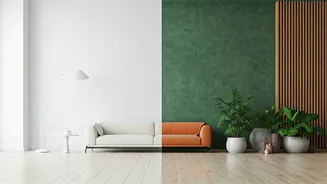
organized living room, something feels off. The aesthetic, built on sharp angles, smooth surfaces like metal and glass, and a palette of whites and grays, can often feel less like a tranquil sanctuary and more like an art gallery—beautiful to look at, but not entirely comfortable to live in. This is the minimalist’s dilemma: how to achieve a peaceful, uncluttered environment without it feeling cold, stark, or impersonal. The philosophy of minimalism doesn’t require you to live in a white box; it’s about intentionality. And intentionally adding warmth is the key to making the style truly livable.
The Power of Texture
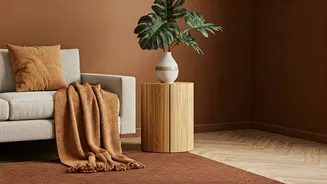
The secret to warming up any space, especially a minimalist one, is texture. While a minimalist visual palette is often smooth and uniform, our tactile senses crave variety. This is where natural fibers like bamboo and jute come in. These materials are the perfect antidote to the sleekness of modern design. Their organic, imperfect surfaces catch the light in different ways, create subtle shadows, and invite touch. They introduce a layer of sensory richness that breaks up the monotony of flat walls and polished floors. Unlike synthetic materials, bamboo and jute carry an inherent connection to the natural world. Their warm, earthy tones—from the pale blonde of bamboo to the golden brown of jute—provide a gentle, grounding contrast to the cool neutrals that dominate many minimalist interiors. They don't shout for attention; they whisper a sense of comfort and stability.
Bring in the Bamboo
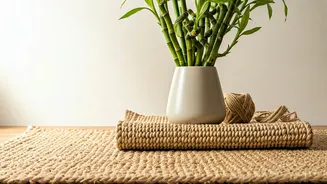
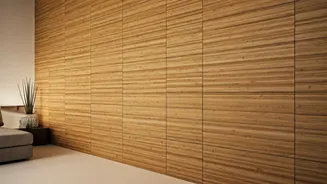
Bamboo is a design chameleon, capable of being both sleek and rustic. Its strength and rapid growth make it a sustainable choice, while its visual versatility allows it to fit seamlessly into a minimalist home. For a significant impact, consider bamboo furniture. A simple bench in an entryway or a streamlined side table offers clean lines with a warmer finish than metal or plastic. If you're not ready for a furniture commitment, start smaller. A bamboo pendant light can serve as a stunning focal point over a dining table, casting a soft, patterned glow. In the kitchen or on a coffee table, a bamboo tray can corral small items, adding a touch of organization and organic warmth. Even bamboo textiles, like soft, silky sheets or towels, can introduce the material's comforting properties into your most personal spaces.
Just Add Jute
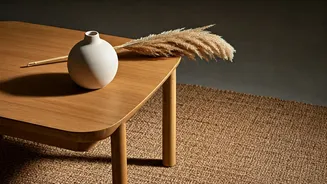
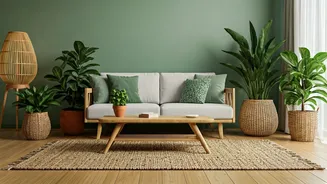
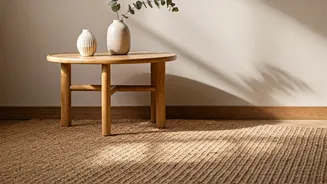
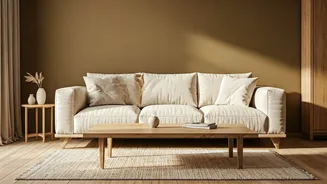
If bamboo is the sleek and versatile sibling, jute is its rugged, textural counterpart. Made from the fibers of the jute plant, this material is known for its durability and coarse, satisfying weave. Its most popular application is in rugs, and for good reason. A large jute rug is one ofthe fastest ways to anchor a room and instantly inject a dose of warmth and texture. Placed under a sofa or a bed, it defines the space and provides a pleasant, slightly rustic feel underfoot that contrasts beautifully with smooth flooring. But jute’s utility doesn't end with rugs. Woven jute baskets are a minimalist’s best friend for stylish storage. Use them to hold blankets, magazines, or even a potted plant, hiding clutter while adding a decorative, tactile element. Smaller jute pieces, like placemats or table runners, can soften a dining area, making meal times feel more relaxed and grounded.
Styling for Harmony
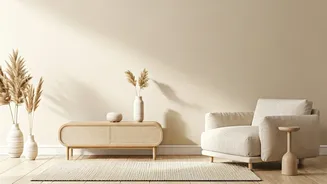
Incorporating these materials doesn't mean you have to abandon your minimalist principles. The goal is not to fill your space with woven goods, but to use them strategically. Think of bamboo and jute as accent pieces that complement your existing decor. A good rule of thumb is to introduce just a few key items. Perhaps a single jute rug in the living room and a cluster of bamboo decorative bowls on a shelf. Maintain your neutral color palette, allowing the natural tones of the fibers to stand out as a warm highlight. The beauty of this approach is that it’s about balance—the sleek with the textured, the cool with the warm, the manufactured with the organic. This thoughtful contrast is what elevates a minimalist space from merely looking good to truly feeling like home.