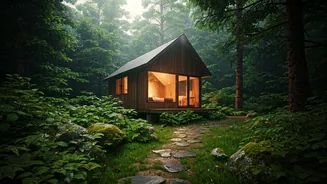







The Allure of Going Local
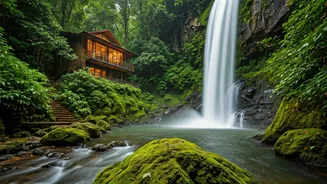
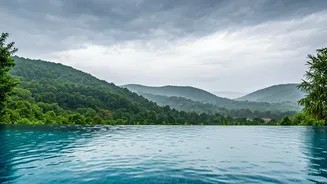
The first major shift is a move away from sprawling, anonymous resorts and toward intimate, locally-owned properties. Think less infinity pool, more front porch. Travelers are increasingly booking stays at family-run homestays, boutique bungalows, and farm-to-table
agricultural estates, particularly in regions like Kerala in India or the quieter parts of Southeast Asia. This isn't just about finding a cheaper bed for the night; it's a deliberate choice to experience a place authentically. When you stay local, your host is also your guide, your chef, and your connection to the community. The food on your plate is often grown just steps from your room, cooked using family recipes passed down through generations. This model directly benefits the local economy, ensuring that tourist dollars stay within the community rather than being funneled out to international corporations. It transforms a vacation from a passive experience into an active, immersive one, where conversations with your hosts become as memorable as the scenery.
Embracing the 'Cosy' Factor
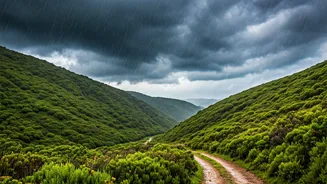
For decades, the goal of travel was to pack in as much activity as possible. The monsoon stay flips that script entirely. It's built around the concept of 'slow travel'—the radical idea that doing less can be more fulfilling. The relentless downpour, once seen as an obstacle, becomes the perfect soundtrack for disconnection and relaxation. The 'cosy' element is about curling up with a book and a hot drink while watching the rain lash against the windows. It’s about afternoon naps, unhurried meals, and long conversations without the pressure to be anywhere else. Many of these retreats lean into this vibe, offering yoga sessions, meditation spaces, and Ayurvedic treatments designed to complement the cleansing, restorative power of the rains. In a world of constant notifications and digital noise, the forced slowdown of a monsoon day is no longer a bug; it's a feature. It offers a rare chance to truly unplug, recharge, and find comfort in simplicity, a luxury that feels increasingly scarce in modern life.
A Deeper Shade of Green
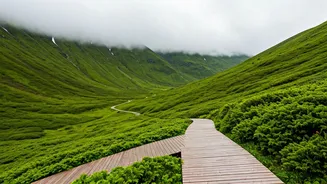
Finally, the rise of the monsoon stay is inextricably linked to a growing consciousness around sustainable travel. Visiting a destination during its 'off-season' naturally reduces the strain on local infrastructure and ecosystems that are often overwhelmed during peak tourist months. But the 'green' aspect goes much deeper. Many of the properties at the heart of this trend are built on eco-friendly principles. They utilize rainwater harvesting systems, run on solar power, and practice organic farming. They are designed to blend in with the environment, not dominate it, often built with local, sustainable materials. This approach offers a stark contrast to the massive environmental footprint of large-scale hotel construction and operation. For the eco-conscious traveler, choosing a green monsoon stay is a vote for a different kind of tourism—one that respects nature instead of just consuming it. It’s an acknowledgment that the lush, vibrant landscapes rejuvenated by the rains are worth protecting, and that travel can be a force for preservation, not just extraction.