



1. Tires: Your First Defense
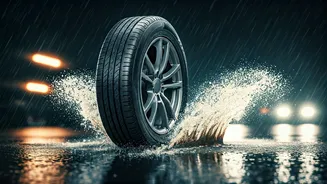
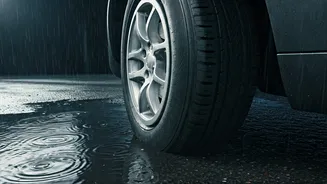
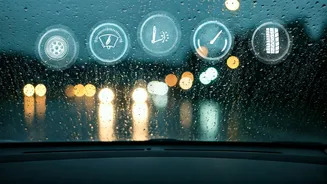
Your tires are the only part of your car that touches the road, and during a downpour, their job gets infinitely harder. The primary risk is hydroplaning—when a layer of water builds between your tires and the road surface, causing a total loss of steering
and braking control. The key defense is proper tread depth. Deep grooves in your tires are designed to channel water away. When they’re worn down, they can’t keep up. You can check your tread depth with a penny: place it upside down in a groove. If you can see all of Abraham Lincoln's head, your tires are worn and likely unsafe for wet conditions. Also, ensure they are inflated to the pressure recommended on the sticker inside your driver's side door jamb. Properly inflated tires provide the best possible footprint on the road.
2. Wiper Blades: Your Window to the World
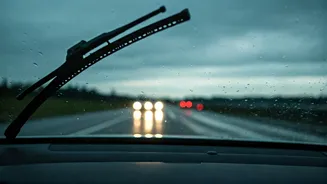
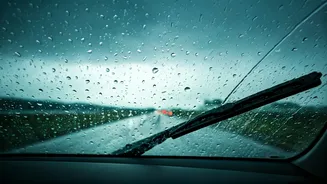
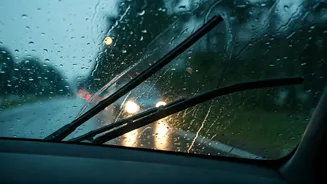
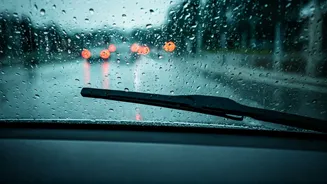
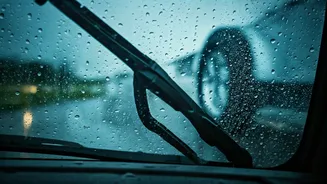
This seems obvious, but it’s the most commonly neglected item. You don’t notice your wipers are bad until you desperately need them. The intense sun that often precedes monsoon storms can bake and crack the rubber on your blades, making them useless. When they activate, they’ll just smear water across the glass, turning a downpour into an opaque, blurry nightmare. Good wipers should clear the water in a single, silent swipe. If they streak, skip, or squeak, it's time for a replacement. They are inexpensive and easy to install yourself. While you're at it, top off your windshield washer fluid. The spray can be crucial for clearing road grime and mud kicked up by other cars.
3. Brakes: Your Stopping Power
Your brakes work on friction, and water is the enemy of friction. It takes longer to stop in the rain, partly because of reduced tire grip and partly because the brake pads and rotors themselves get wet. If your brakes are already worn, that increased stopping distance can become dangerous. Before the season starts, have your brakes inspected. Listen for any squealing or grinding noises, and pay attention to any sponginess or vibration in the pedal. If you drive through a deep puddle, gently tap your brakes a few times afterward to help dry them out and restore normal performance.
4. Lights and Electrical System
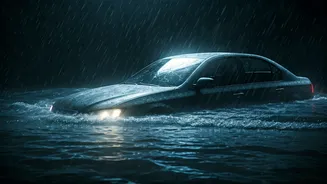
Visibility during a monsoon is a two-way street: you need to see, and others need to see you. Walk around your car and check that all your lights are working—headlights (both low and high beams), taillights, brake lights, and turn signals. Hazy, yellowed headlight lenses can severely reduce light output; a simple restoration kit can make a huge difference. The monsoon also poses a threat to your car’s electrical system. Never drive into standing water if you can't gauge its depth. A deep puddle can splash water into the engine bay, potentially shorting out critical components or, in a worst-case scenario, getting sucked into the engine—an often-fatal condition known as hydrolock.
5. Seals and Weather Stripping
A torrential downpour is the ultimate test of your car's seals. The rubber gaskets around your doors, windows, sunroof, and trunk can degrade over time, creating pathways for water to get inside. A small leak might seem like a minor annoyance, but it can lead to bigger problems: musty odors, mold and mildew growth in your carpets and upholstery, and even damage to sensitive electronics hidden under the dash or seats. Do a quick visual inspection of all the rubber seals. Look for cracks, brittleness, or areas where the seal is pulling away from the body. A simple interior check after the first heavy rain can help you spot a problem before it gets out of hand.