




The Mighty Millet's Comeback
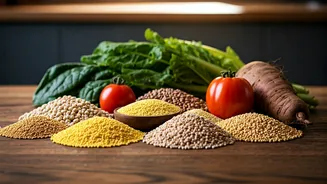
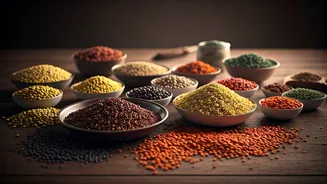
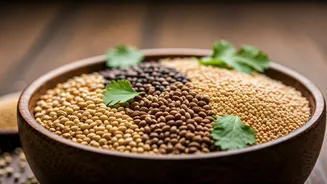
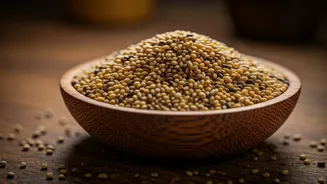
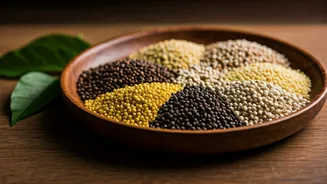
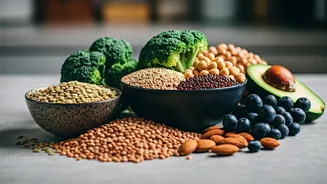
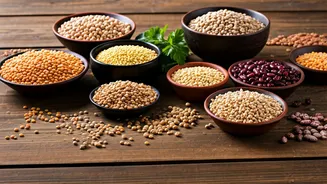
If there's one poster child for this sustainable shift, it's the humble millet. Think of it as India’s answer to the quinoa craze, but with a far deeper history. Millets are a group of ancient, nutrient-dense grains like sorghum (jowar), pearl millet (bajra),
and finger millet (ragi). For centuries, they were the backbone of regional diets, perfectly adapted to India's diverse and often harsh climates. They're incredibly resilient, requiring a fraction of the water and inputs needed for rice and wheat, making them a climate-smart superfood. So why are we talking about them now? After falling out of fashion for decades—pushed aside by the Green Revolution's focus on high-yield wheat and rice—millets are making a major comeback. Propelled by a government-led promotional blitz (which even saw the UN declare 2023 the International Year of Millets), they are being rebranded for a new generation. They’re no longer just seen as rustic village fare but as a healthy, gluten-free, and eco-friendly alternative appearing in everything from breakfast porridges and gourmet breads to modern takes on traditional flatbreads.
Beyond Potato, Onion, and Tomato
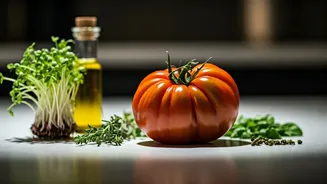
The sustainable eating movement is also about looking beyond the handful of standardized vegetables that dominate modern Indian cooking. Across the country, there’s a growing “hyper-local” trend that champions the use of indigenous and seasonal produce that many urbanites had forgotten. It’s a quiet rebellion against the agricultural monotony of potatoes, onions, and tomatoes.
Chefs, home cooks, and social media influencers are rediscovering a vast array of regional greens, wild gourds, and unique tubers. This isn't just culinary archaeology; it's a practical environmental choice. These native plants are naturally suited to their local soil and climate, requiring fewer pesticides and less irrigation. Farmers' markets in cities like Mumbai and Bengaluru are now dotted with vendors selling foraged ferns, banana blossoms, and jackfruit seeds—ingredients that tell a story of a specific place and season. This shift encourages biodiversity and provides a more resilient food supply chain that is less dependent on long-haul transportation.
When Tradition Becomes the Trend
Much of what is being framed as a “new” sustainable practice is, in fact, a return to age-old Indian wisdom. Traditional Indian households were models of zero-waste living long before it became a hashtag. The philosophy of using every part of the plant—from peel to seed—is deeply ingrained in many regional cuisines. Vegetable peels are turned into chutneys, watermelon rinds are made into curries, and cauliflower stems are used in stir-fries.
This nose-to-tail approach to vegetables is being revived by a generation eager to reduce food waste. Similarly, practices like pickling and fermenting, once essential for preserving food through lean seasons, are being celebrated for their gut-health benefits and flavor-enhancing properties. Eating seasonally wasn't a choice but a necessity, and this natural rhythm is being embraced once again as a simple yet powerful way to eat more sustainably and reconnect with the local environment.
The Conscious Urban Consumer
This entire movement wouldn't be possible without a change in consumer mindset, particularly among India’s growing urban middle class. Health consciousness, spurred by rising lifestyle diseases, has dovetailed perfectly with a renewed sense of environmental responsibility. For many, choosing millets over refined flour or buying local greens from a community farm is as much about personal wellness as it is about planetary health.
This demand is fueling a new ecosystem of businesses. Organic food delivery startups, farm-to-table subscription boxes, and restaurants explicitly highlighting the provenance of their ingredients are flourishing in metropolitan areas. Social media plays a crucial role, with food bloggers and wellness influencers sharing recipes and celebrating brands that align with this conscious ethos. It has created a virtuous cycle where consumer demand encourages farmers to grow diverse, traditional crops, making sustainability not just a niche interest but a viable and increasingly mainstream choice.