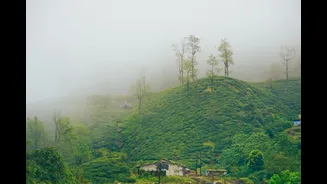






A Sanctuary in the Himalayas
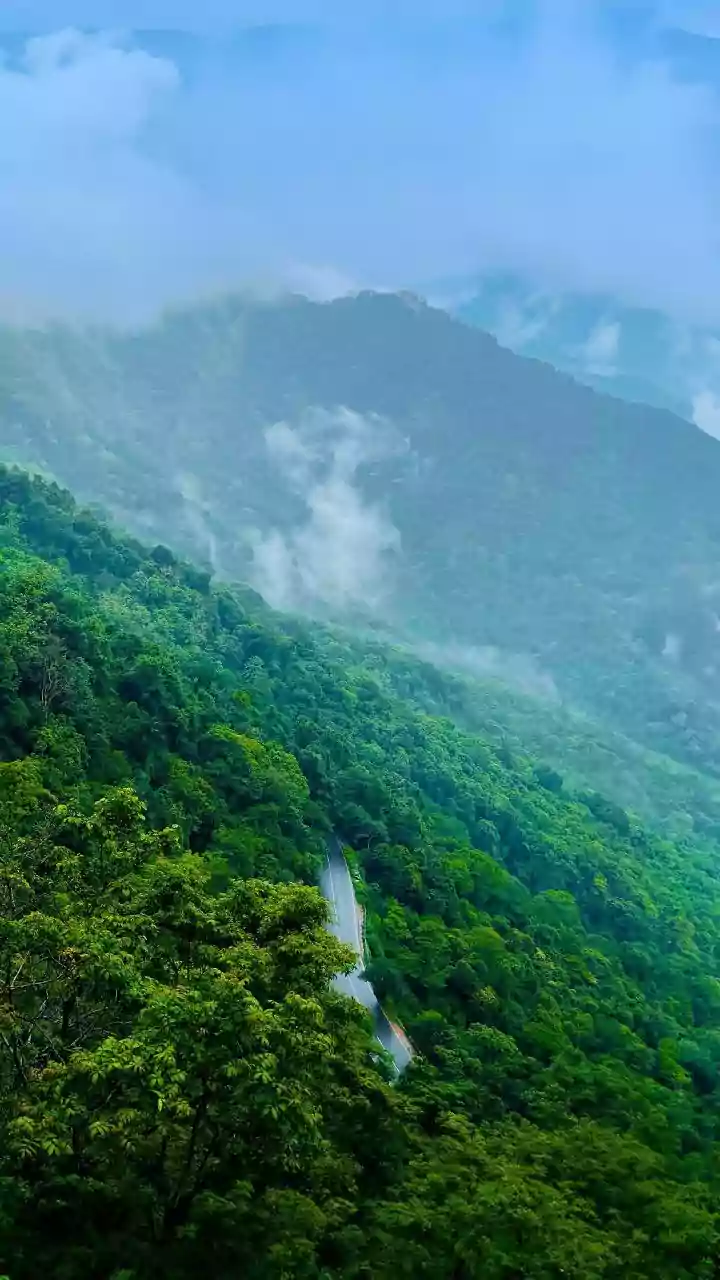
Tucked away in the northern Indian state of Himachal Pradesh, the Parvati Valley is a steep, lush gorge carved by the ferocious Parvati River. For decades, it has been a well-trodden stop on the international backpacker trail, a place whispered about
for its staggering mountain vistas and freewheeling, counter-cultural vibe. But today, its appeal is broadening dramatically. The valley, flanked by snow-capped peaks and dotted with ancient villages, is becoming a magnet for a new kind of traveler: the burnt-out urban professional. For them, the valley isn't just a destination; it's a decompression chamber. The journey itself, often a winding overnight bus ride from Delhi, acts as a physical and mental transition, shedding the layers of city life with every mile climbed into the mountains.
The Lure of the Riverside Camp
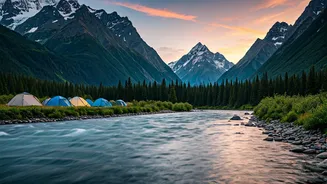
The heart of this new boom is riverside camping. All along the banks of the Parvati, especially near the bustling hub of Kasol and further up towards the village of Tosh, simple tented camps have mushroomed. These are not the amenity-heavy glamping sites you might find in the U.S. Most offer a basic tent, a sleeping bag, and access to a shared bonfire. The luxury isn't in the thread count; it’s in the proximity to nature. The constant, roaring sound of the river is the main event. It drowns out mental chatter and replaces the digital cacophony of modern life. Evenings are spent around a crackling fire, sharing stories with fellow travelers under a canopy of stars so clear they seem almost within reach. It’s a forced simplicity, a return to basics that feels both grounding and revolutionary in a hyper-connected world.
The New Wave of Travelers
While grizzled backpackers from Israel, Europe, and Australia are still a common sight, the “crowds” mentioned in traveler forums are increasingly domestic. Young professionals from Indian megacities like Delhi, Mumbai, and Bangalore are flocking here on weekends and for “workations.” They come seeking a digital detox, a respite from punishing work cultures and polluted city air. They are software engineers, graphic designers, and startup founders who trade their ergonomic office chairs for a spot on a riverside boulder, laptop optional. This demographic shift has changed the valley's rhythm. Cafes now boast Wi-Fi alongside Israeli shakshuka, and campsites that were once purely rustic now offer charging ports, recognizing that a total disconnect isn't always feasible, even when it’s the goal.
Beyond the Tent Flap
Camping is the anchor, but the valley’s trails are the main activity. The area is a trekker's paradise, with paths leading from the riverbanks to serene, high-altitude villages. A popular trek leads to Tosh, a picturesque hamlet with 360-degree mountain views. Another, more challenging hike goes to the mystical village of Malana, famous for its unique social structure and a reputation as a producer of high-quality cannabis resin, or “charas.” This long-standing association gives the valley a slightly edgy, bohemian reputation that adds to its mystique. For visitors, it's a place where one can engage with ancient local culture, stunning natural beauty, and a modern, freewheeling social scene all in one day.
Can Paradise Handle the Popularity?
With popularity comes pressure. The very 'disconnect' that people seek is threatened by the sheer number of those seeking it. The main town of Kasol can feel congested during peak season, with traffic jams and overflowing guesthouses. Environmental concerns are also growing, as the fragile ecosystem strains under the weight of increased tourism and waste. Yet, the magic of the Parvati Valley persists. A short walk away from the main road is often all it takes to find solitude again, to be alone with the sound of the river and the sight of prayer flags fluttering against a backdrop of immense, silent peaks. The crowds may be coming, but the valley is vast, and its soul, for now, remains intact.