




From Trash to Black Gold
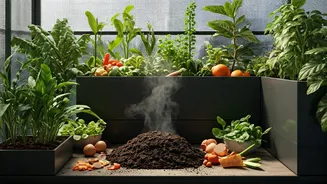
In apartments and condos across the U.S., a quiet revolution is taking place. Instead of bagging up food scraps and sending them to a landfill, city dwellers are transforming them into 'black gold'—a gardener's term for rich, nutrient-dense compost. This
isn't just about reducing your household waste, though that's a significant benefit. It’s about creating a closed-loop system right on your balcony. You use the compost to feed your potted herbs, vegetables, and flowers, which in turn produce more bounty (and eventually, more scraps to compost). It’s a sustainable cycle that saves you money on fertilizers and connects you more deeply to the food you grow and eat. Best of all, modern methods have made small-space composting odorless, easy, and incredibly effective.
Option 1: The Worm Bin (Vermicomposting)
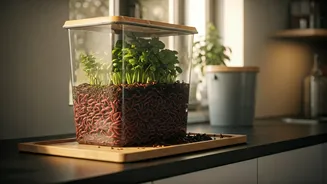
Don’t be squeamish—vermicomposting is one of the most popular and efficient methods for apartment dwellers. It involves keeping a special bin of red wiggler worms (not your average garden worms) who eagerly devour your food scraps. A basic setup is a multi-tiered plastic bin that you can buy online or at a garden center. You add your non-oily fruit and veggie scraps to the top tray, and the worms get to work. As they eat, they produce 'castings,' a fancy word for their nutrient-rich manure. These castings are a powerhouse fertilizer for potted plants. The system is self-contained, virtually odorless when managed correctly, and requires very little space. It’s perfect for someone who wants a low-maintenance, continuous supply of high-quality plant food. The worms do all the heavy lifting.
Option 2: The Fermentation Fix (Bokashi)
If worms aren't your thing, or if you want to compost things like meat, dairy, and oily foods, the Bokashi method is your answer. Originating in Japan, Bokashi isn't technically composting; it's a fermentation process. You use a special airtight bucket and a 'Bokashi bran' inoculated with beneficial microbes. You layer your food scraps in the bucket, sprinkling bran on each layer. Once the bucket is full, you seal it for about two weeks while the contents pickle and ferment. This process doesn't create odor—just a slightly sweet, vinegary smell. The result is a 'pre-compost' that needs to be buried in soil to fully break down. For balcony gardeners, this means mixing it into a large pot of soil and letting it rest for another two weeks before planting. It's a fast, compact system that handles a wider variety of waste.
Option 3: The Classic Compost Tumbler
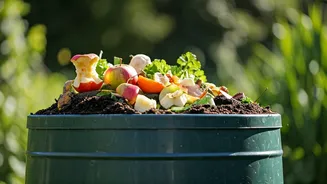
If you have a bit more space on your balcony or patio, a small compost tumbler is an excellent choice. These are sealed barrels that you can rotate, mixing the contents to speed up decomposition. The classic composting rule applies here: you need a good balance of 'greens' (nitrogen-rich materials like kitchen scraps and coffee grounds) and 'browns' (carbon-rich materials like shredded cardboard, paper, or dried leaves). The enclosed nature of the tumbler contains odors and keeps pests out, while the tumbling action aerates the pile, which is crucial for hot, fast composting. While larger than a worm bin, a small tumbler can produce a significant amount of compost in a few months, making it ideal for someone with several large containers or a small raised bed.
What to Compost (And What to Avoid)
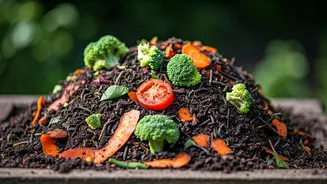
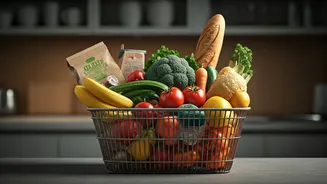
Regardless of your chosen method, some rules are universal. Most small-scale systems thrive on a simple diet. **YES, PLEASE:** - Fruit and vegetable peels and cores - Coffee grounds and paper filters - Crushed eggshells - Tea bags (remove the staple) - Stale bread and grains - Wilted flowers and houseplant trimmings **NO, THANK YOU (for most systems):** - Meat, fish, and bones (except for Bokashi) - Dairy products (except for Bokashi) - Oily or greasy foods - Pet waste - Diseased plants Sticking to this list will help you avoid odors, pests, and other common composting pitfalls, ensuring your balcony fuel is clean and effective.