


Why Minimalism Is the Answer
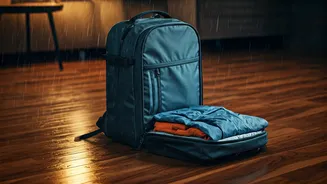
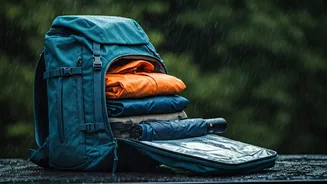
Monsoon travel presents a unique set of challenges: intense humidity that makes everything feel damp, sudden downpours that soak you in seconds, and limited opportunities for clothes to dry. A minimalist packing strategy directly confronts these issues.
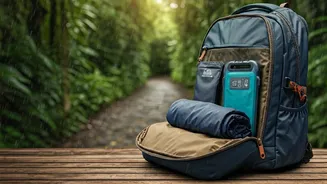
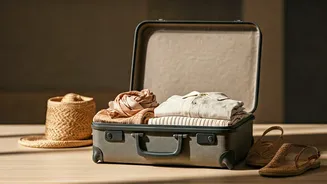
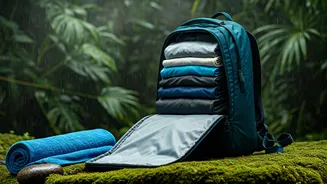
It’s not about deprivation; it’s about curation. By choosing fewer, higher-performing items, you eliminate the bulk of a traditional wardrobe and ensure everything you pack serves a specific purpose. This approach reduces suitcase weight, simplifies daily dressing decisions, and, most importantly, helps you manage moisture and stay comfortable. When every piece works hard, you can focus on the adventure, not your laundry.
Start with a Cohesive Color Palette
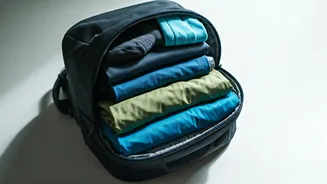
The foundation of any travel capsule wardrobe is a tight, versatile color scheme. For monsoon climates, think in terms of neutrals that hide dirt and moisture well—charcoal, navy, olive, and black are your friends. Add one or two complementary accent colors for variety. By ensuring every top can be worn with every bottom, you exponentially increase your outfit combinations without adding a single extra item. A pair of black pants, for example, can be dressed up or down with different tops, creating multiple looks from just a few pieces. This simple discipline is the single most effective way to reduce the number of clothes you need to pack.
Fabric Is Everything: The Quick-Dry Trinity
In a humid environment, cotton is your enemy. It absorbs moisture, takes forever to dry, and can quickly start to smell musty. Instead, focus on the holy trinity of travel fabrics: merino wool, performance synthetics, and linen blends. Merino wool is a miracle fiber; it’s naturally antimicrobial (resisting odor), moisture-wicking, and regulates temperature, keeping you comfortable in both heat and damp chill. Performance synthetics (like those found in athletic wear) are designed to dry in a flash. Linen and linen-blend fabrics are incredibly breathable, perfect for sticky humidity, though they do wrinkle. Prioritizing these materials means your clothes can often air-dry overnight in a hotel room, even without direct sun.
Build a Smart, Versatile Layering System
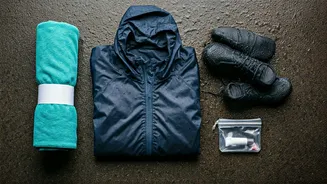
Monsoon weather is unpredictable. A hot, sunny morning can turn into a chilly, rain-soaked afternoon. A layering system allows you to adapt instantly. Your minimalist system should include three key components. First, a base layer of moisture-wicking t-shirts or tops. Second, a lightweight mid-layer for warmth, like a merino wool sweater or a thin fleece. Finally, and most crucially, a high-quality, packable waterproof outer shell. This jacket is non-negotiable. It not only keeps you dry from rain but also acts as a windbreaker, trapping warmth from your other layers when needed. Avoid bulky coats; a thin, effective shell is all you need.
Footwear: The Make-or-Break Choice
Nothing ruins a travel day faster than wet, blistered feet. For monsoon packing, you need two strategic pairs of shoes. First, a pair of durable, water-friendly sandals with good grip, like those from brands such as Teva or Chaco. These are perfect for walking through puddles, exploring temples where you need to remove shoes easily, and letting your feet breathe. Second, a pair of quick-drying, closed-toe shoes for more active days or cooler evenings. Look for trail runners or sneakers made with synthetic mesh uppers. Pair them with merino wool socks, which, unlike cotton, will keep your feet comfortable even when damp.
Pack Smart, Functional Accessories
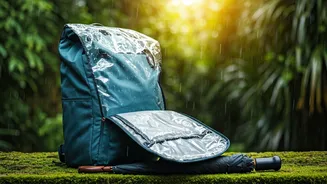
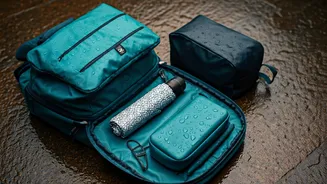
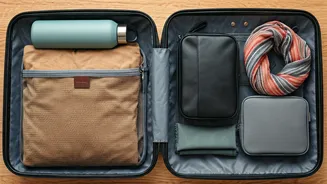
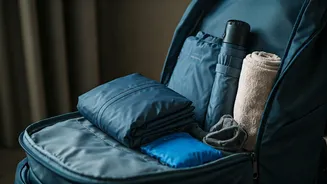
Accessories are the minimalist traveler's best friend. They add style and function with almost no packing penalty. A lightweight scarf or pashmina can provide warmth on a chilly flight, act as a head covering, or add a pop of color to a neutral outfit. A fully waterproof dry bag or a rain cover for your backpack is essential for protecting electronics and important documents during a downpour. A wide-brimmed, packable hat can shield you from both sun and rain. These small, multi-purpose items can elevate your comfort and style, proving that packing light doesn't mean sacrificing preparedness.