





So, What Is ‘Fibermaxxing’?
At its core, ‘fibermaxxing’ is an internet-born wellness trend focused on aggressively increasing one's intake of prebiotic fiber. It’s a niche offshoot of the broader “biohacking” movement, where users meticulously track their food, supplements, and
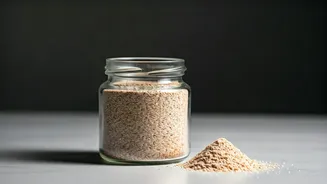
biomarkers to optimize health. Unlike the gentle advice to ‘eat more vegetables,’ fibermaxxing involves a calculated, often extreme, effort to hit very high daily fiber targets—sometimes double or triple the recommended amounts. Practitioners share detailed ‘guides’ on platforms like TikTok and Reddit, listing specific supplements like psyllium husk, inulin powder, and acacia fiber, alongside spreadsheets tracking their grams and bodily responses. The goal isn't just general health; it's to supercharge the gut microbiome for benefits ranging from improved digestion and mood to enhanced metabolic health.
The Gut Health Connection
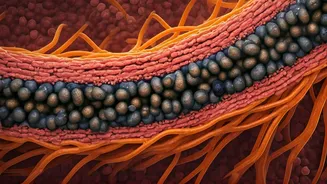
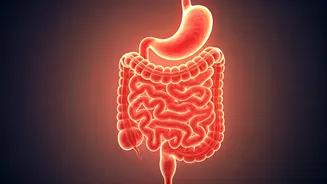
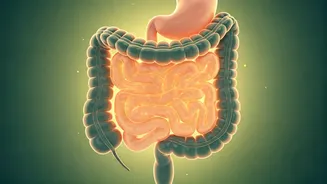
The obsession with fibermaxxing stems from a growing public awareness of the gut microbiome—the trillions of bacteria living in our digestive tracts. Think of it as an internal garden. Probiotics, found in foods like yogurt and kimchi, are the 'seeds' (live beneficial bacteria). Prebiotics are the 'fertilizer.' They are specific types of fiber that your body can't digest but your good gut bacteria can. When these bacteria feast on prebiotic fiber, they produce beneficial compounds called short-chain fatty acids (SCFAs), which are linked to reduced inflammation, a stronger gut barrier, and even better immune function. The logic behind fibermaxxing is that if a little prebiotic fiber is good, then a massive, targeted dose must be exponentially better, leading to a thriving internal ecosystem. It’s a compelling idea, tapping into our desire for control over our health in a quantifiable way.
What the Online ‘Guides’ Recommend
The 'advanced' guides popping up online are where this trend veers from mainstream advice into experimental territory. They often advocate for a multi-pronged approach that goes far beyond a bowl of oatmeal. A typical fibermaxxing protocol might involve starting the day with a 'slurry' of multiple powdered fibers mixed into water, followed by carefully selected prebiotic-rich foods like chicory root, Jerusalem artichokes, and green bananas throughout the day. Many users track their intake down to the decimal point, aiming for 50, 70, or even 100 grams of fiber daily—far exceeding the FDA's recommendation of 28 grams for a 2,000-calorie diet. These guides often feature brand names of supplements and specific timing protocols, creating a sense of a scientifically-validated system, even though it’s largely based on crowd-sourced anecdotes.
A Dietitian’s Red Flags
While increasing fiber is generally a positive health step, registered dietitians and gastroenterologists almost universally caution against the fibermaxxing approach. The primary risk is doing too much, too fast. A sudden, massive increase in fiber can overwhelm your digestive system, leading to severe gas, bloating, cramping, and constipation—the very symptoms many are trying to solve. Furthermore, the body needs a massive amount of water to process high levels of fiber; without it, you risk dangerous blockages. There’s also the risk of nutrient malabsorption. Extremely high fiber intake can bind with minerals like calcium, iron, and zinc, preventing your body from absorbing them effectively. Experts emphasize that a healthy gut thrives on diversity, not just sheer volume. Relying on a few select powders instead of a wide variety of fruits, vegetables, and whole grains can create an imbalanced microbiome, defeating the entire purpose of the trend.
A Smarter Approach to a Happy Gut
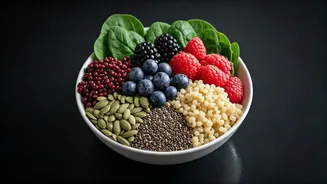
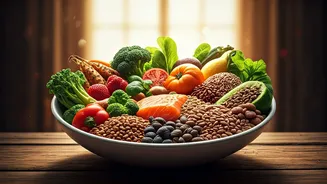
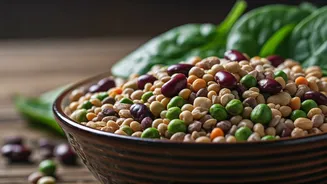
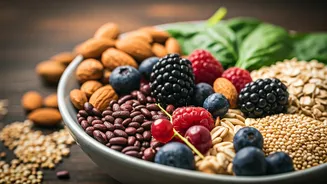
Instead of 'maxxing out,' a more sustainable and effective strategy is to build up gradually. If you're new to focusing on fiber, start by adding one high-fiber food to your day and see how you feel. Aim to get your fiber from whole food sources to ensure you’re also getting a wide array of vitamins, minerals, and phytonutrients. Excellent prebiotic-rich foods include onions, garlic, leeks, asparagus, apples, oats, and beans. If you do use a supplement like psyllium, start with a small dose (like a teaspoon) and increase slowly over weeks, not days. Most importantly, listen to your body. Signs of digestive distress are a clear signal to back off, not push through. And remember to dramatically increase your water intake as you increase your fiber. A slow, steady, and diverse approach is the real key to long-term gut health, not a high-stakes internet challenge.