






From the Sidelines to the Squat Rack
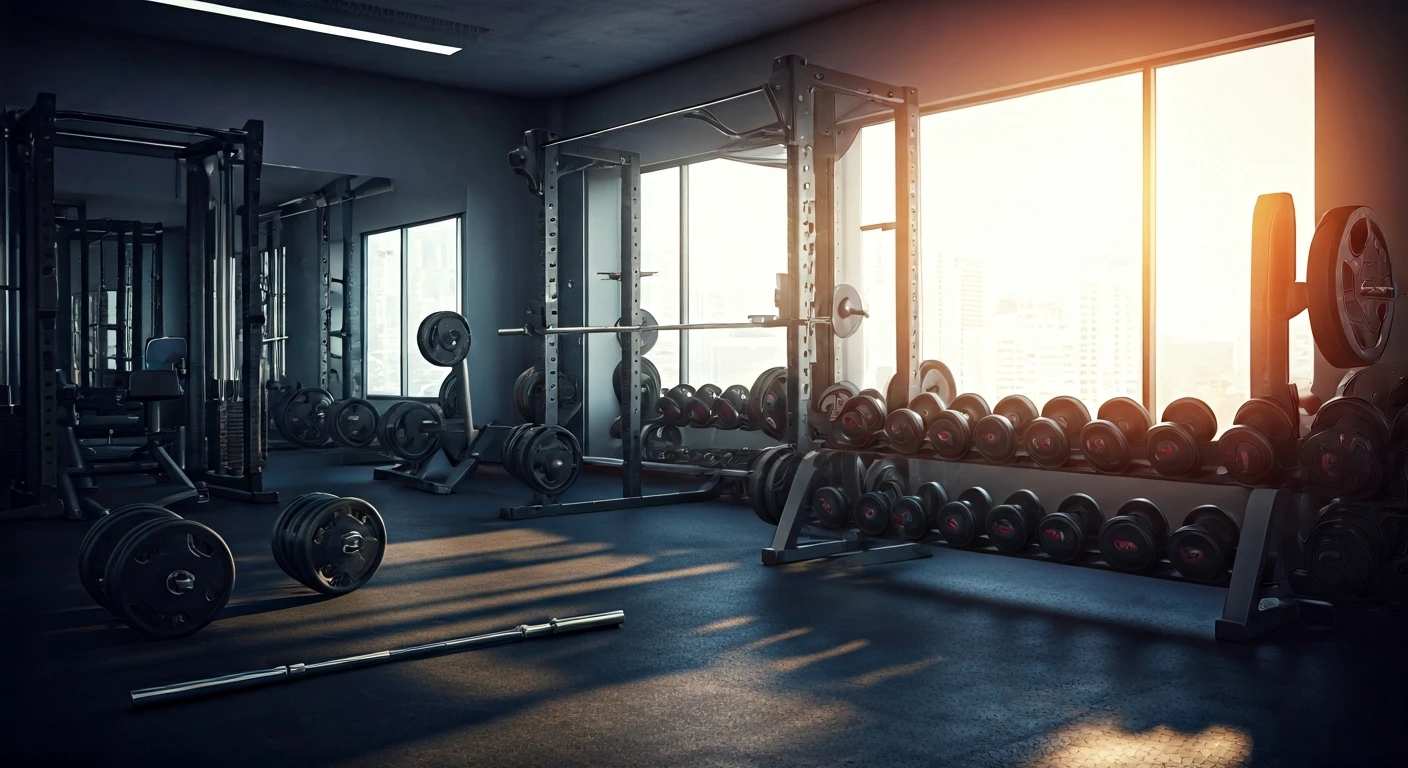
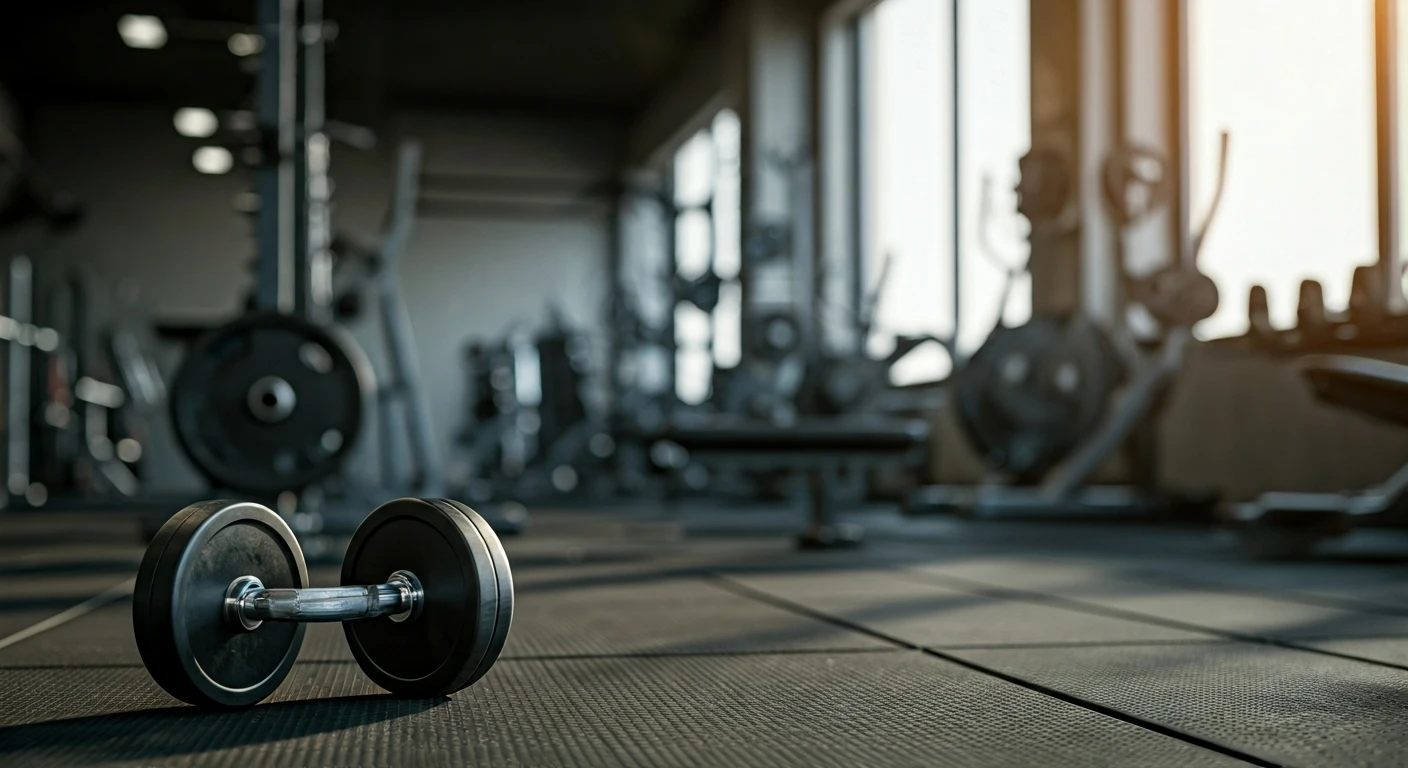
For decades, the unspoken rule in many gyms was clear: men lifted heavy over here, and women did cardio or used light pink dumbbells over there. The weight room was often seen as an intimidating, male-dominated space. That geography is being redrawn.
Walk into most modern gyms today, and you’ll see women of all ages and backgrounds confidently claiming their space at the squat rack, deadlift platform, and bench press. This isn’t just about a few fitness pioneers; it's a mainstream movement. The shift represents a quiet rejection of outdated stereotypes that confined women's fitness goals to becoming smaller. Instead, the focus has pivoted towards becoming stronger, more capable, and more resilient.
The Social Media Megaphone
A huge driver of this change is the democratization of information through social media. Platforms like Instagram and TikTok have allowed a new generation of female lifters, coaches, and physiotherapists to bypass traditional media and speak directly to their audience. Influencers like Meggan Grubb, Krissy Cela, and countless others have built massive followings by sharing their own strength journeys with vulnerability and expertise. They post form checks, explain the science behind muscle growth, and debunk myths about women becoming “bulky.” This peer-to-peer education has created a powerful, supportive ecosystem where women feel seen and empowered. The conversation is no longer controlled by male-centric magazines; it’s a dynamic, user-generated dialogue happening in real-time, filled with shared successes and encouragement.
Redefining What 'Strong' Means
Perhaps the most profound aspect of this movement is the redefinition of strength itself. The conversation has moved decisively away from aesthetics-only goals. While body composition changes are a natural outcome, the motivation is increasingly intrinsic. Women are lifting to feel powerful, to manage stress, to improve their long-term health, and to appreciate what their bodies can do, not just how they look. Phrases like “strong not skinny” have become mantras. This shift has significant mental health implications, fostering a sense of agency and self-efficacy. Lifting a weight you once thought impossible is a potent metaphor for overcoming other challenges in life. It’s a tangible, measurable form of progress that has nothing to do with a number on a scale.
The Market is Listening
Where culture shifts, commerce follows. The fitness industry, recognizing a massive and underserved market, is finally catching up. Brands are launching apparel designed for athletic female bodies, not just for leisure. Female-founded training apps are gaining massive traction by offering programs that cater specifically to women's goals and physiology. Equipment companies are featuring more women in their marketing, not as props but as serious athletes. This economic validation reinforces the trend, creating a positive feedback loop: as more products and services are created for female lifters, more women feel welcomed and supported in pursuing strength, further growing the market. It proves that this isn’t a niche hobby; it’s a powerful consumer demographic that is here to stay.