




From Armchair Travel to Actual Airports
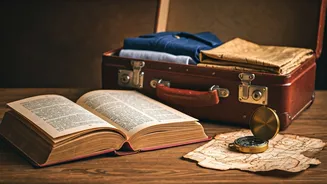
For generations, books were the original virtual reality, offering an escape to faraway lands for the price of a paperback. But today, a growing number of enthusiasts are taking that immersion to the next level. Known as literary tourism or “set-jetting”
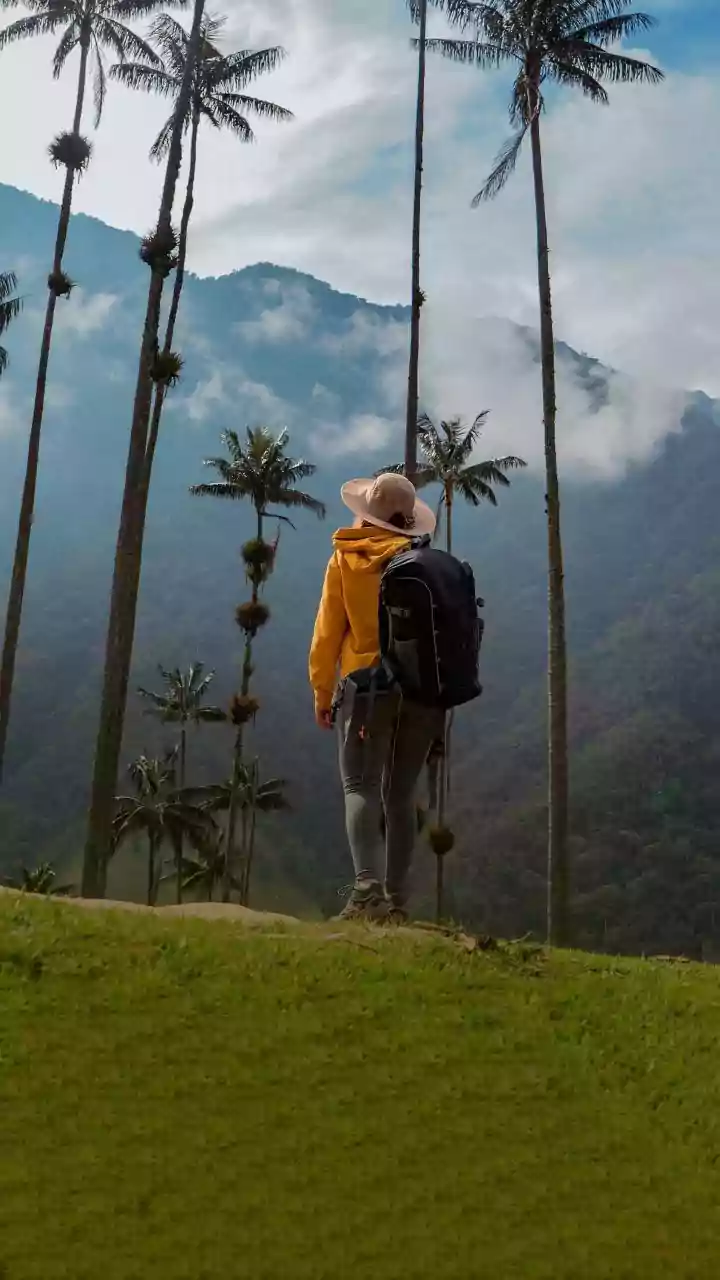
for the bookish, this trend sees readers planning entire vacations around the settings of their favorite novels, the homes of beloved authors, or even specific scenes from a story. It’s a shift from passive consumption to active pilgrimage. Instead of just imagining the misty Scottish Highlands of Outlander or the moody coastline of a Stephen King novel, fans are booking flights to experience the atmosphere firsthand. Social media platforms like Instagram and TikTok have supercharged this movement, with #BookTok and #LiteraryTravel feeds filled with users tracing the steps of fictional characters, turning a private hobby into a shared, tangible adventure.
The Psychology of Stepping into a Story
What’s driving this desire to connect with a story’s physical geography? In an increasingly digital world, there’s a powerful craving for authenticity and tactile experiences. Standing on the same cobblestones as a character, feeling the same sea breeze, or visiting the cafe where an author penned a masterpiece creates a profound, multi-sensory connection that reading alone cannot replicate. It collapses the distance between imagination and reality. This travel style isn’t just about sightseeing; it’s about emotional resonance. For many, visiting the real-life Forks, Washington, feels like a genuine visit to the world of Twilight, just as walking the moors of Yorkshire can feel like stepping into Wuthering Heights. It’s a way of affirming that the stories that shape us are, in some small way, anchored to the real world.
Scotland's Outlander Effect
Perhaps no recent phenomenon illustrates this better than the Outlander effect in Scotland. Diana Gabaldon’s historical fantasy series, and its subsequent TV adaptation, has driven a massive tourism boom. Fans flock to sites like Culloden Battlefield, the Clava Cairns, and the charming village of Falkland, which stands in for 1940s Inverness in the show. Tour companies now offer dedicated Outlander itineraries, and the national tourism board, VisitScotland, has actively promoted these locations. This isn't just about seeing a filming location; it’s about chasing the romantic, rugged, and historic atmosphere that Gabaldon so vividly created. The story provides the emotional map, and travelers follow its coordinates, eager to feel a piece of Claire and Jamie's epic tale for themselves.
Modern Fiction Forges New Paths
While classic literature destinations like Jane Austen’s Bath or Shakespeare’s Stratford-upon-Avon remain perennial favorites, contemporary fiction is carving out new literary trails. The global success of Elena Ferrante’s Neapolitan Novels, for example, has drawn travelers to the vibrant, gritty streets of Naples, eager to explore the neighborhoods of Lila and Lenù. Similarly, the dark, atmospheric settings of Delia Owens’ Where the Crawdads Sing have sparked interest in the remote marshlands of North Carolina. This demonstrates that literary tourism isn't just a nostalgic exercise. It’s a dynamic, evolving trend where a breakout bestseller can put a previously overlooked town or region on the global travel map overnight, proving that a powerful narrative is one of the most effective tourism drivers there is.
How to Plan Your Own Literary Journey
Inspired to trade your bookmark for a boarding pass? Start by choosing a book with a strong sense of place. It could be a city that acts as a character itself (like Dublin in James Joyce’s work) or a natural landscape central to the plot. Research key locations mentioned in the story—a specific street, a park, a historic building, or a cafe. Author-focused trips are another great option; visit a writer’s home, like Ernest Hemingway’s house in Key West, or their final resting place, such as the famous writers' corner in Père Lachaise Cemetery in Paris. Don’t just follow a checklist. The goal is to absorb the atmosphere. Pack the book with you, find a quiet spot, and read a few pages in the very environment where the story unfolds. That’s when the magic truly happens.