

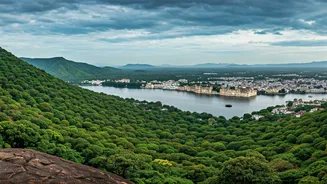
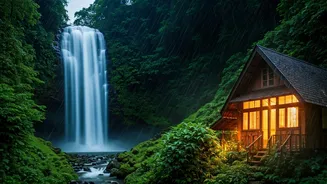


The Vibe: An Emerald Oasis
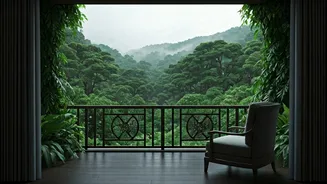
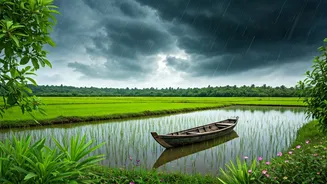
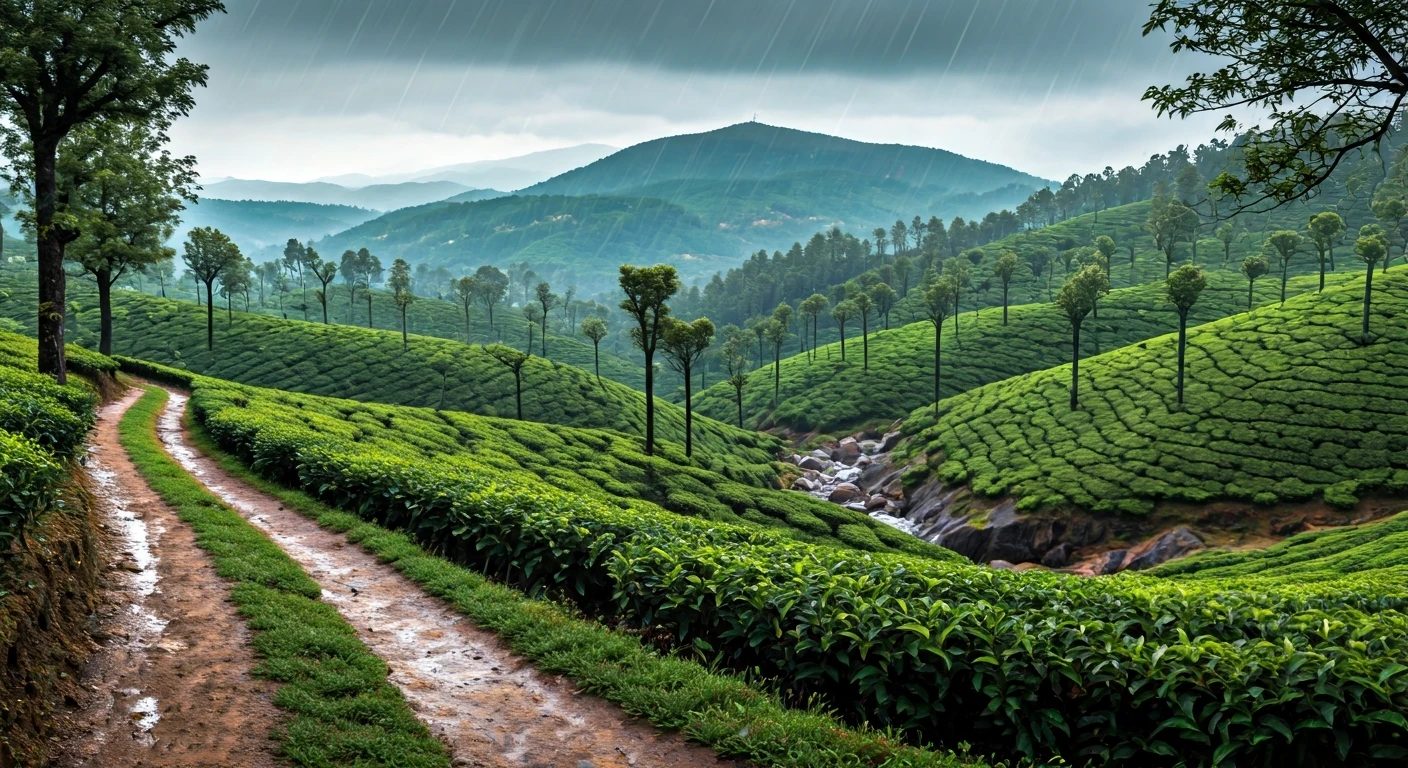
Forget the burnt-ochre landscapes of peak tourist season. The monsoon transforms Goa into a scene of staggering natural beauty. The constant rains wash away the dust, leaving behind a vibrant, emerald-green tapestry. Rice paddies become fluorescent green mirrors
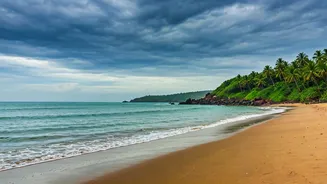
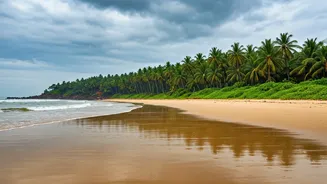
reflecting dramatic, cloud-filled skies. The air, thick with the scent of wet earth and blossoming flowers—a phenomenon known as petrichor—feels clean and restorative. Instead of the frantic energy of December, you’ll find a pervasive sense of calm. The beaches, while not always suitable for swimming due to the strong currents, are blissfully empty. You can walk for miles along stretches like Morjim or Palolem and encounter only a handful of locals and the occasional fellow traveler who is in on the secret. This is Goa for the contemplative traveler, the artist, and the romantic—a place to read a book, watch the storm roll in over the Arabian Sea, and reconnect with a slower pace of life.
The Savings: Luxury for Less
The most compelling practical reason to visit during the monsoon is the economic advantage. With international and domestic tourism at a low ebb, hotels and resorts are eager to fill rooms. This is your chance to experience Goa’s famed luxury for a fraction of the winter price. Five-star properties, chic boutique hotels, and serene wellness retreats that are prohibitively expensive in December often slash their rates by 30-50%. It’s not uncommon to find a stunning pool villa or a sea-view suite for the price of a standard room in peak season. This extends beyond accommodation. Scooter rentals, car services, and even prices at the restaurants that remain open are often more negotiable. For the budget-conscious American traveler, the favorable exchange rate combined with off-season discounts means your dollar goes significantly further, making a long-haul trip feel far more accessible.
The Activities: Beyond the Beach
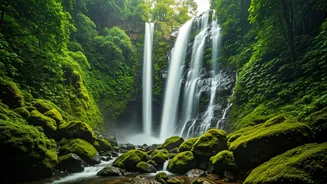
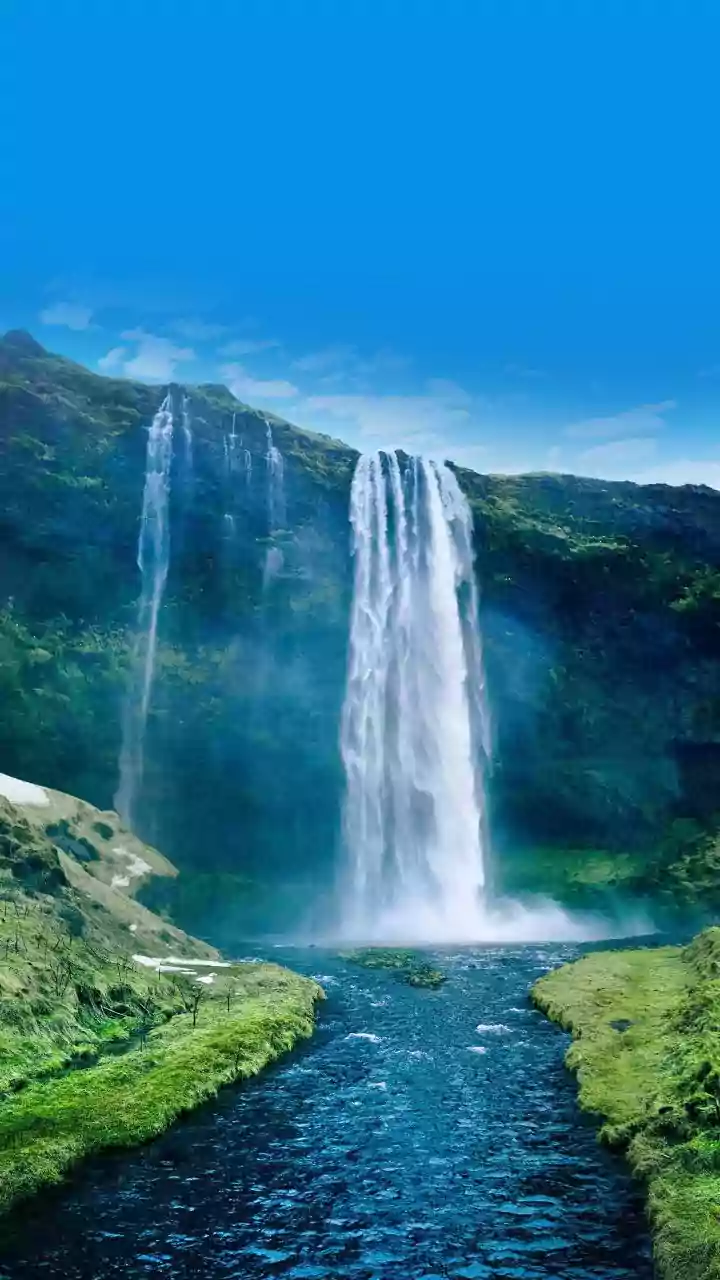
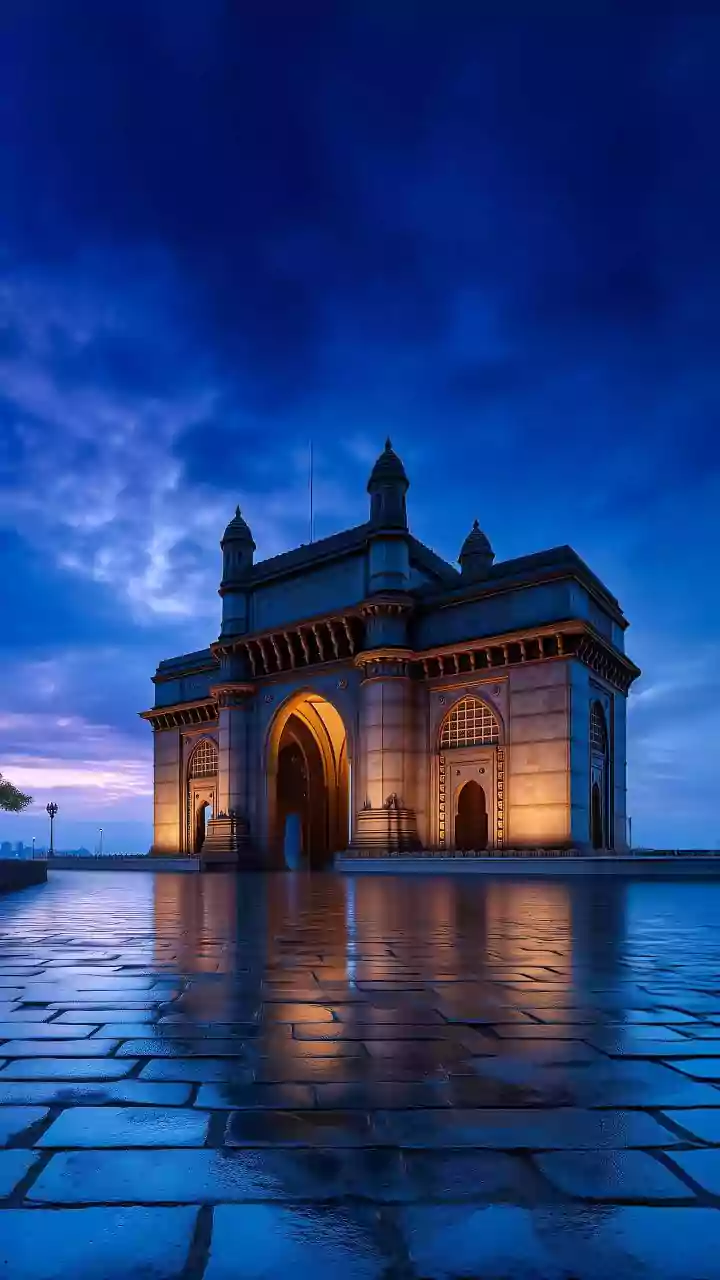
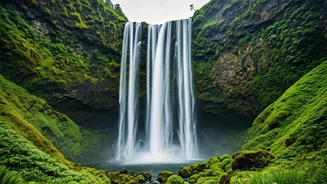
So, if you can’t spend all day sunbathing, what do you do? The monsoon unlocks a different set of Goan adventures. The region's rivers and waterfalls, which are mere trickles in the dry season, become thunderous spectacles. A trek or jeep safari to the famous Dudhsagar Falls, cascading down the mountainside like a river of milk, is an unforgettable experience. This is also the best time to visit Goa’s verdant spice plantations. The rain makes the foliage incredibly lush, and the aromas of cardamom, vanilla, and black pepper are at their most potent. It's an ideal time for culinary exploration; take a Goan cooking class and learn to master a fish curry or a spicy vindaloo. And for those seeking history and culture, the rain-washed colonial churches and Portuguese mansions of Old Goa and the Fontainhas district in Panjim take on a moody, atmospheric charm, free from the usual throngs of tourists.
A Reality Check: What to Expect
This idyllic picture does come with a few caveats. It is, after all, the monsoon. It will rain—sometimes a persistent drizzle, other times a torrential downpour that lasts for hours. Humidity is high, and the sea is often too rough for swimming, with red flags lining most beaches as a warning. Many of the famous temporary beach shacks that define Goan nightlife are dismantled and packed away for the season. If your dream trip is built around beach parties and perfecting your tan, this is not the time for you to visit. However, if you see the rain as part of the atmosphere, pack a good raincoat and waterproof shoes, and embrace the opportunity for indoor activities like spa treatments and long, leisurely meals, you’ll be rewarded handsomely. Power cuts can be more frequent, so choosing a hotel with a generator is wise.