






From 'Roughage' to Wellness Star
For years, fiber was the unglamorous workhorse of nutrition, known primarily for preventing constipation. But its public image is getting a major makeover. The shift is largely thanks to a growing public fascination with the gut microbiome—the trillions
of bacteria living in our digestive tracts. Social media, particularly TikTok's "#guttok" community, is buzzing with influencers and self-taught experts sharing tips on how to feed your "good" gut bacteria. This has transformed fiber from simple “roughage” into a key player in holistic wellness. Consumers are no longer just seeking regularity; they're pursuing better moods, clearer skin, and stronger immunity, all of which are increasingly linked to a healthy gut, where fiber is the main course.
The Science-Backed Benefits
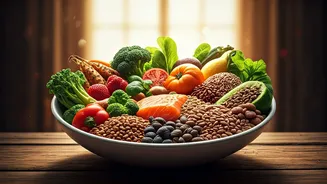
The hype is built on a very solid foundation. The benefits of a fiber-rich diet are among the most well-researched conclusions in nutrition science. Beyond keeping you regular, fiber plays a critical role in overall health. Soluble fiber, in particular, can help lower LDL (“bad”) cholesterol levels and improve blood sugar control by slowing down the absorption of sugar. This can reduce the risk of developing type 2 diabetes and heart disease. Furthermore, high-fiber foods tend to be more filling than low-fiber ones, meaning they can help you feel satisfied with fewer calories. This makes fiber a powerful, passive tool for weight management, shifting the focus from restrictive dieting to abundant, nourishing eating.
Understanding the Two Types
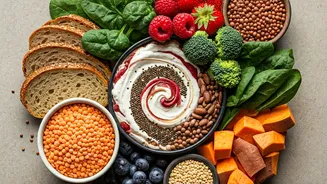
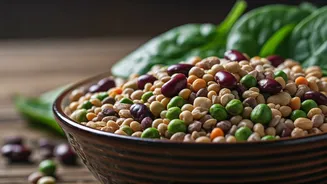
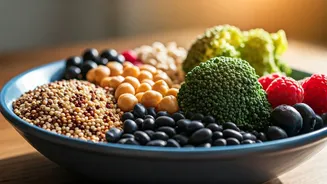
You don't need a biology degree to understand fiber, but knowing the two main types helps. Think of them as a team working together. **Soluble fiber** dissolves in water to form a gel-like substance. It's the type that helps lower cholesterol and glucose levels. You can find it in oats, barley, nuts, seeds, beans, lentils, peas, and some fruits like apples and citrus. **Insoluble fiber** does not dissolve in water. It adds bulk to the stool and helps food pass more quickly through the digestive system. This is the type most associated with promoting regularity. It's found in foods like whole-wheat flour, wheat bran, nuts, beans, and vegetables such as cauliflower, green beans, and potatoes. Most plant-based foods contain a mix of both, so the best strategy is to eat a wide variety of them rather than focusing on just one type.
Simple Ways to Boost Your Intake
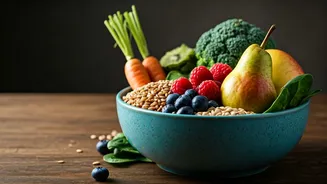
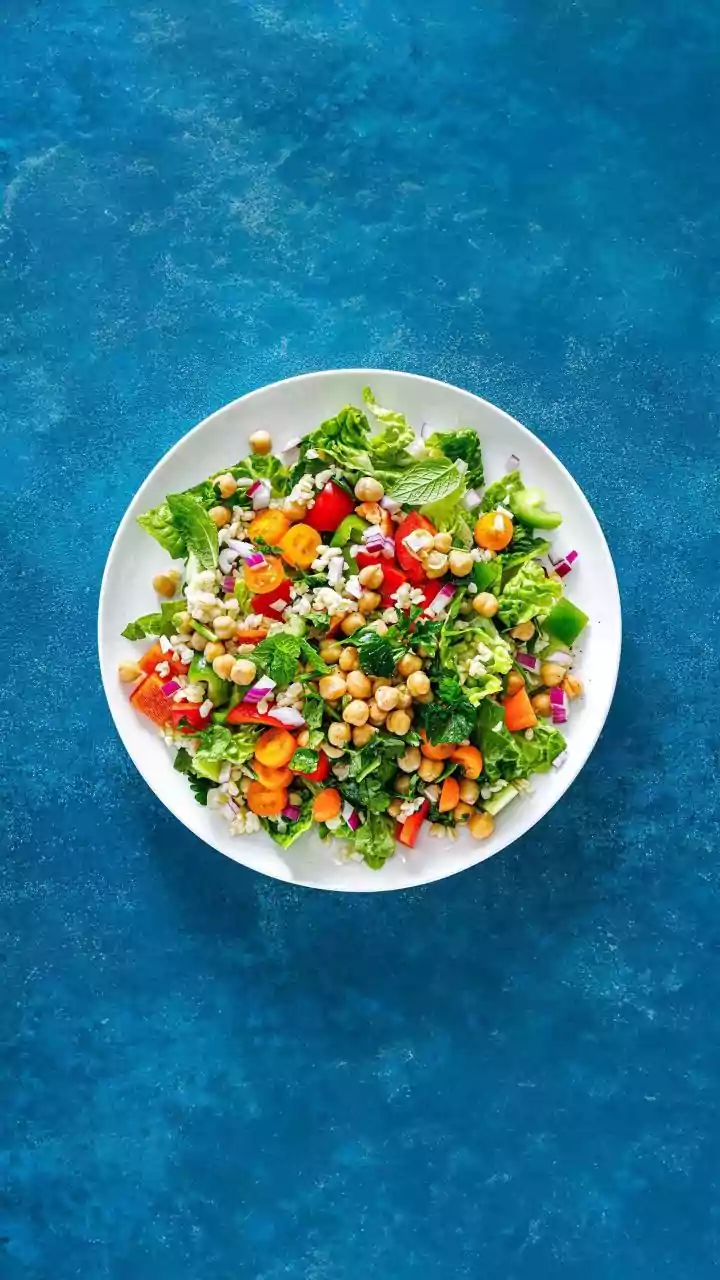
Meeting the recommended daily intake—around 25 grams for women and 38 for men, according to the Academy of Nutrition and Dietetics—can feel daunting. But you don't need to overhaul your diet overnight. Small, consistent swaps make a big difference. - **Start the day strong:** Swap your usual breakfast cereal for oatmeal or a high-fiber whole-grain option. - **Add, don't just subtract:** Toss a handful of chickpeas into your salad, add black beans to your soup, or mix lentils into your pasta sauce. - **Snack smarter:** Instead of reaching for chips, grab an apple (with the skin on!), a pear, a handful of almonds, or some carrot sticks with hummus. - **Make simple switches:** Choose whole-wheat bread and pasta over white versions, and opt for brown rice instead of white. - **Embrace the peel:** Many of the nutrients and a lot of the fiber in fruits and vegetables are in the skin, so wash them well and eat them whole whenever possible.
A Word of Caution: Go Slow
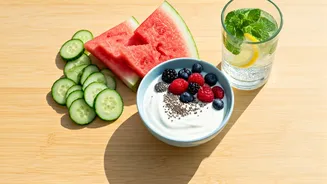
If your current diet is low in fiber, jumping to a high-intake plan all at once can backfire, leading to uncomfortable gas, bloating, and cramping. Your digestive system needs time to adapt. Increase your intake gradually over a few weeks to give your gut bacteria time to adjust to their new, healthier food source. At the same time, make sure you're drinking plenty of water. Fiber works best when it absorbs water, which helps soften your stool and makes it easier to pass. Without enough liquid, high-fiber diets can actually worsen constipation.