

So, What Exactly Is It?
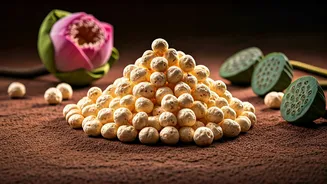
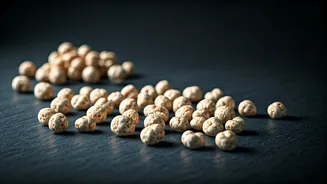
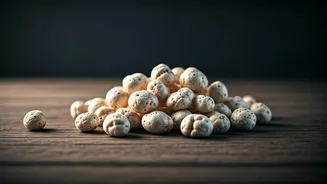
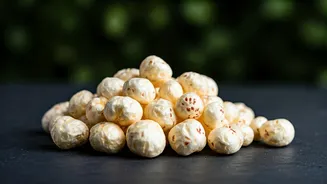
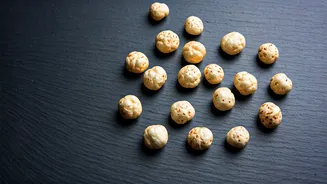
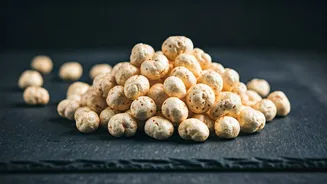
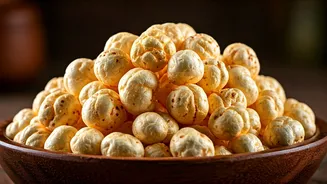
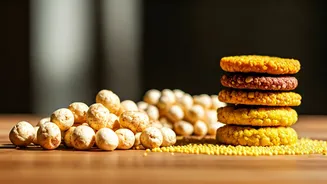
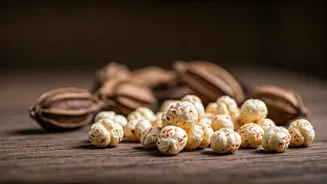
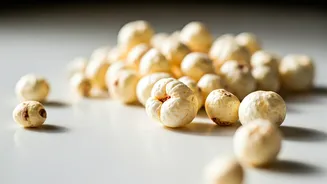
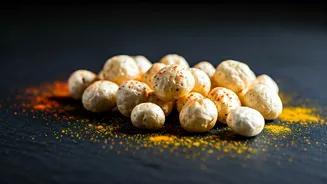
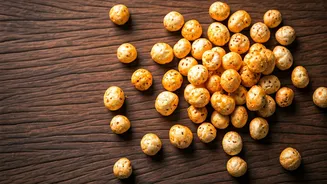
Imagine a snack that’s a cross between popcorn and a rice puff, but lighter, airier, and with a more subtle, earthy flavor. That’s makhana. Also known as fox nuts or popped lotus seeds, these little white puffs come from the seeds of the Euryale ferox,
an aquatic plant with huge, lily pad-like leaves found in the wetlands of India, particularly in the state of Bihar. The process of making them is incredibly laborious. Farmers wade into stagnant ponds to harvest the small, black seeds from the bottom. These seeds are then dried, roasted in hot sand, and individually popped by hand. The result is a small, starchy puff that’s ready to be seasoned and eaten. Unlike popcorn, makhana doesn't have a hard kernel, making for a uniquely smooth and consistent crunch.
The Nutritional Heavyweight
The primary driver of makhana’s journey to the West is its impressive nutritional profile. For health-conscious snackers, it ticks all the boxes. Makhana is naturally low in calories and fat, yet it’s a good source of plant-based protein and fiber, which helps you feel full and satisfied. It's also packed with essential minerals like magnesium—crucial for muscle and nerve function—as well as potassium and antioxidants. Furthermore, it's inherently gluten-free, vegan, and free of common allergens. In the world of snacks, it’s the equivalent of a quiet achiever who suddenly gets recognized for being a low-carb, high-protein alternative to puffy cheese curls or butter-drenched popcorn. It’s the snack you can eat by the handful without the subsequent energy crash or regret.
From Sacred Staple to Global Snack
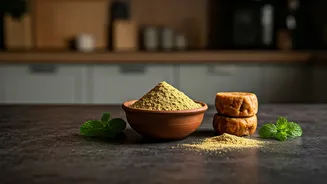
Before it landed in slick, resealable pouches in American grocery stores, makhana had a rich and lengthy history in India. For centuries, it has been a deeply ingrained part of culinary and cultural life. In Ayurveda, traditional Indian medicine, it’s prized for its health-giving properties. It’s also a common food for those observing religious fasts, like the Hindu festival of Navratri, because it's considered a pure, light food. In its native region of Bihar, it’s a humble staple, roasted and eaten simply with a sprinkle of salt or used in curries, desserts, and savory dishes. This transition from a regional, almost sacred food to a commercially packaged global commodity is at the heart of its story. The hands that once harvested it for local markets are now supplying a booming international demand.
The 'Snack Flex' Explained
So what makes eating makhana a “flex”? It’s about more than just finding a new snack. In today’s wellness-obsessed culture, choosing makhana signals a certain level of insider knowledge. It says you’re ahead of the curve, that you look beyond the mainstream options for something that’s both good for you and has an interesting origin. It’s a conversation starter. When you bring a bowl of Chili Lime or Himalayan Pink Salt makhana to a party, you’re not just bringing a snack; you’re introducing friends to a superfood they’ve probably never heard of. Brands like AshaPops, Bohana, and Taali have capitalized on this, marketing makhana with vibrant, modern branding and flavors tailored to the American palate. It’s the perfect storm of health, novelty, and cultural cachet that elevates it from a simple food to a status symbol in the world of mindful munching.