








Building More Than Just Muscle
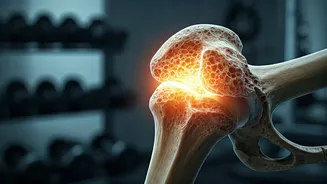
Let’s get one thing straight: lifting weights is about so much more than getting bigger biceps. Think of it as building a stronger foundation for your entire life. Resistance training is one of the most effective ways to increase bone density, which is crucial
for preventing osteoporosis, especially as we age. Every time you challenge your muscles, you’re sending a signal to your bones to fortify themselves. Furthermore, muscle is metabolically active tissue. The more lean muscle you have, the more calories your body burns at rest. This gives your metabolism a quiet, consistent boost that can help with weight management far more sustainably than crash diets or cardio-only routines. It’s not about earning a donut; it’s about making your body a more efficient, resilient machine, 24/7.
A Powerful Tool for Mental Health
The connection between physical activity and mental well-being is well-established, but strength training offers unique benefits. The focus and control required to lift a weight can be a form of moving meditation, pulling you out of your anxious thoughts and into the present moment. Completing a challenging set provides an immediate, tangible sense of accomplishment that can rewire your brain for confidence and resilience. Studies have shown that resistance exercise can reduce symptoms of anxiety and depression as effectively as other forms of therapy or medication for some people. It releases endorphins, boosts self-esteem, and can even improve sleep quality. On a stressful day, a session with weights can feel less like a workout and more like an emotional reset button.
The Myth of 'Getting Too Bulky'
This is perhaps the single biggest myth that keeps people, especially women, from picking up a dumbbell. The fear of accidentally developing a bodybuilder’s physique is widespread but completely unfounded for the vast majority of people. Building that level of muscle mass requires a highly specific, extremely demanding regimen of training and nutrition, not to mention a hormonal profile (primarily high testosterone) that most people don't have. For the average person, lifting weights a few times a week will lead to a body that is stronger, leaner, and more toned—not “bulky.” It creates dense, compact muscle that gives the body shape and definition. Instead of making you bigger, it often has the opposite effect, helping you feel more comfortable and capable in your own skin.
The Ultimate Anti-Aging Secret
As we get older, we naturally lose muscle mass in a process called sarcopenia. This loss contributes to weakness, a higher risk of falls, and a general decline in functional independence. Strength training is the single most effective antidote to this process. It’s never too late to start; even people in their 80s and 90s can build significant muscle and strength. This isn't about looking younger; it's about *feeling* more capable for longer. It's the strength to carry your own groceries, play with your grandkids on the floor, get up from a chair without assistance, and move through the world with confidence and stability. In this sense, lifting weights is a direct investment in your future quality of life.
How to Actually Get Started
The best part is that you don’t need a pricey gym membership or a complicated routine. You can start right at home. Bodyweight exercises like squats, push-ups (on your knees is fine!), and lunges are a fantastic foundation. A simple pair of dumbbells or resistance bands can unlock hundreds of exercises. The key is to start light, focus on proper form (watch a few trusted online tutorials), and be consistent. Aim for two to three sessions a week. Don’t worry about lifting heavy; worry about moving well. The strength will follow.