

Beyond the Box: The Appeal of the Curve
For the better part of two decades, the kitchen island has been a study in right angles. The dominant feature was often a massive, rectangular block, frequently topped with a sharp-edged waterfall counter made of quartz or marble. It was clean, functional,
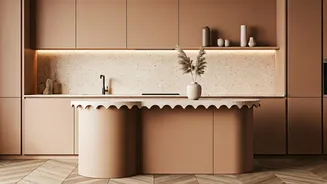
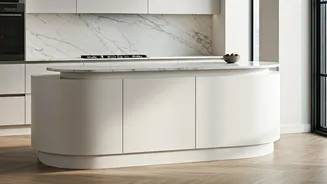
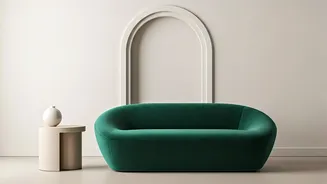
and undeniably modern. But now, designers and homeowners are collectively breaking out of the box. The rounded kitchen island—whether a gentle demi-lune, a full pill shape, or simply featuring softly curved corners—has emerged as a focal point in high-end design, signaling a major shift in our domestic aesthetic. It’s a deliberate move away from the rigid geometry that defined the 2010s and toward something more organic, sculptural, and inviting. This isn’t just about changing a shape; it's about changing the entire feeling of the kitchen, turning a purely functional zone into a warm, conversational hub.
Function Meets Flow in Urban Spaces
The trend finds its most compelling argument in urban environments, where every square inch counts. Sharp-cornered islands can create awkward traffic jams and painful hip-checks in smaller or open-concept layouts. A rounded design, by contrast, intuitively guides movement. It creates a natural, flowing path around the island, making the entire kitchen feel more spacious and less constricted. This ergonomic advantage is a game-changer in galley kitchens or narrow city apartments where a traditional island would feel like a bulky obstacle. Furthermore, for families with young children, eliminating sharp corners is a practical safety feature that doesn't require sacrificing style. The curve encourages people to gather around it, creating a more communal and less formal atmosphere than its rigid predecessor. It’s a design choice that is both beautiful and brilliantly practical.
A Softer, More Biophilic Aesthetic
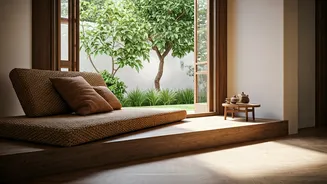
This embrace of curves is part of a larger design movement known as “soft modernism.” It’s a reaction to years of stark minimalism, fueled by a collective desire for homes that feel more like sanctuaries—cozy, nurturing, and connected to nature. Curves are inherently biophilic; they mimic the organic shapes found in the natural world, from river stones to rolling hills. In a room dominated by hard surfaces like tile, stone, and stainless steel, a rounded island introduces a much-needed element of softness and visual relief. It can make a monolithic piece of stone feel less imposing and more like a piece of sculpture. This psychological comfort is key. In a post-pandemic world where we spend more time than ever at home, we’re seeking interiors that soothe and restore, and the gentle arc of a curved island does just that.
Materials, Styles, and Inspiration
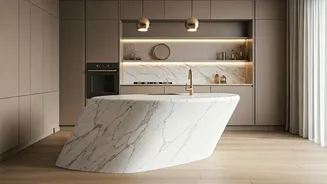
The beauty of the rounded island trend is its versatility. It’s not a one-size-fits-all look. For a dramatic, high-contrast statement, designers are using deeply veined marble or quartzite, letting the stone wrap around a curved base. For a warmer, more textural feel, fluted or tambour wood paneling is a popular choice, adding rhythm and depth to the island’s base. These vertical lines accentuate the curve, creating an elegant, Art Deco-inspired vibe. Other popular materials include smooth plaster, concrete, and even metal for a more industrial-luxe take. The shape itself is also adaptable. You might see a full “racetrack” oval island in a large, open space, or a peninsula that ends in a graceful semi-circle to facilitate dining. Even just softening the four corners of a rectangular island can be enough to tap into the trend without committing to a fully custom-curved piece.