





1. Hydrate Before You're Thirsty
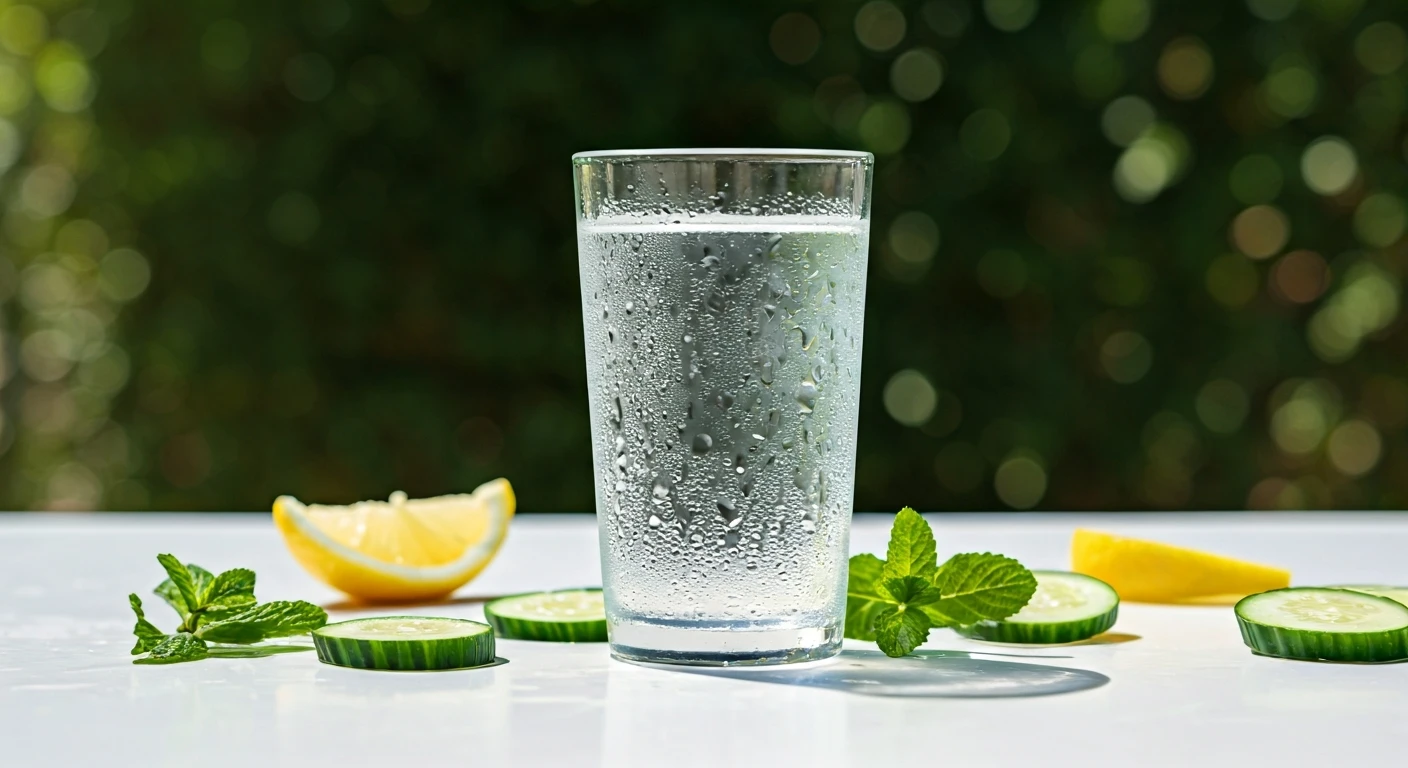
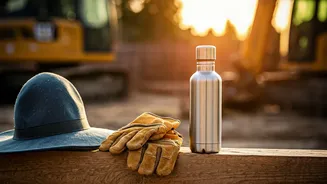
For the average person, thirst is the first sign you need a drink. For a roofer or landscaper, thirst is a red flag that you’re already behind. The cardinal rule of outdoor work is proactive hydration. This means drinking water consistently throughout
the day, starting well before the shift begins and continuing after it ends. Many start hydrating the night before a predicted heatwave. The goal is to maintain a constant state of hydration, never letting your body dip into a deficit. Instead of chugging a 32-ounce bottle when they feel parched, they take steady, small sips of water every 15-20 minutes. This approach allows the body to absorb the fluid more efficiently without overwhelming the system or triggering excessive urination, which can flush out vital electrolytes.
2. Water Is Good, but Electrolytes Are Essential
Sweating doesn’t just deplete water; it drains your body of essential minerals like sodium, potassium, and magnesium. These electrolytes are critical for muscle function and nerve signaling. Experienced workers know that drinking only plain water on a brutally hot day can lead to a dangerous condition called hyponatremia (low sodium). To combat this, they supplement. This doesn't always mean expensive sports drinks. It can be as simple as adding an electrolyte powder packet to a water bottle, eating salty snacks like pretzels or pickles (the brine is a classic choice), or eating a banana for potassium. The key is replenishing what sweat takes away, ensuring the body's internal engine keeps running smoothly.
3. Fuel for Energy, Not a Food Coma
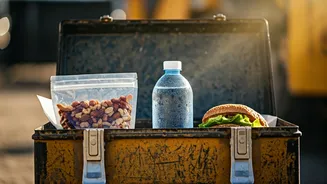
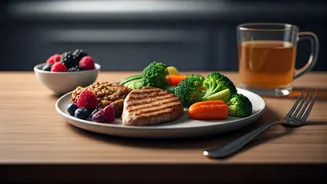
A heavy, greasy lunch is the enemy of productivity in the heat. Digestion requires energy and increases your core body temperature, which is the last thing you need when it’s 95 degrees out. Outdoor professionals favor smaller, more frequent meals and snacks that are easy to digest and provide sustained energy. Think of it as grazing, not gorging. A massive cheeseburger and fries at noon will lead to a sluggish, miserable afternoon. Instead, their coolers are often packed with things like sandwiches with lean protein, fruit, trail mix, yogurt, and hard-boiled eggs. These foods provide a steady stream of carbohydrates for immediate energy and protein for muscle endurance without causing a spike and crash.
4. Embrace Cooling Foods
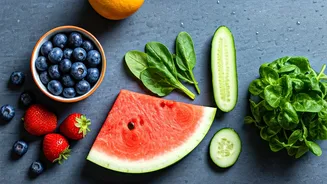
There’s a reason you see construction crews and farmworkers sharing watermelon slices during a break. Certain foods are naturally hydrating and cooling. Fruits and vegetables with high water content are a staple for a reason. Watermelon, cantaloupe, cucumbers, celery, and oranges are not just refreshing; they are a delicious and effective way to supplement fluid intake. They provide hydration, natural sugars for a quick energy boost, and valuable vitamins and minerals. It’s a simple, low-tech strategy that works wonders. Packing a container of chilled cucumber slices or a bag of orange segments can feel like a lifeline in the middle of a sweltering afternoon.
5. Listen to Your Body, Not the Clock
Perhaps the most important lesson from outdoor workers is to abandon the “tough it out” mentality. Their health and livelihood depend on recognizing the early warning signs of heat stress—headaches, dizziness, nausea, muscle cramps, or excessive fatigue. When they feel these symptoms, they don’t push through; they stop. They find shade, hydrate, and cool down with a wet towel or by pouring water over their head and neck. In high-heat environments, the body is the only reliable gauge. Ignoring its signals is a gamble no professional is willing to take. This means scheduled breaks are important, but unscheduled breaks prompted by the body's needs are even more critical.