



Adaptogens: The Wellness Boost
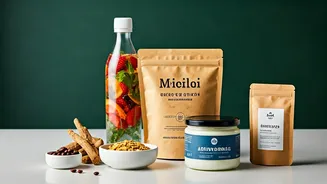
If you’ve seen words like 'ashwagandha' or 'maca' on the label of your sparkling water, coffee, or snack bar, you’ve encountered adaptogens. These are herbs, roots, and mushrooms that have been used for centuries in traditional Chinese and Ayurvedic healing
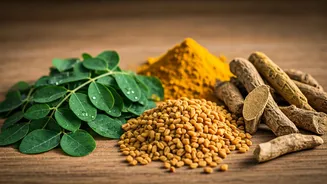
practices. The core idea is that they help the body 'adapt' to and resist physical, chemical, and biological stressors. While scientific evidence in the West is still developing, the wellness world has embraced them wholeheartedly. Why now? The modern obsession with optimizing health and managing burnout has created a perfect market for them. Instead of just seeking flavor or basic nutrition, consumers are looking for 'functional' foods that do something extra. Adaptogens fit the bill perfectly, offering a sense of calm, focus, or energy without the jitters of caffeine or the side effects of other stimulants. You’ll find them ground into powders for smoothies (maca, lion's mane), infused into canned lattes (ashwagandha), or mixed into 'calming' chocolate bars (reishi mushroom). They represent a food culture that views eating not just as sustenance, but as a form of self-care.
Miso: The Umami Powerhouse
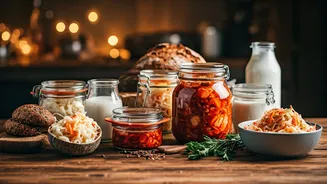
Miso is hardly new—it’s a cornerstone of Japanese cuisine that’s been around for over a thousand years. But its journey into the American mainstream kitchen is what makes it feel so current. Made from fermented soybeans (and sometimes rice or barley), this savory paste is the definition of umami, that deep, satisfying 'fifth taste' that makes food so compelling. For years, most Americans knew miso only as the cloudy soup served before their sushi arrived. Now, chefs and home cooks are unlocking its incredible versatility. Miso brings a complex, salty, and earthy depth that elevates everything it touches. Think of miso-glazed salmon, miso-butter corn on the cob, or even miso caramel and chocolate chip cookies. Its fermentation process also aligns with the growing interest in gut health and probiotic-rich foods. Miso isn't just a flavor enhancer; it’s a shortcut to making dishes taste like they’ve been simmering for hours. It’s the secret weapon for adding savory complexity to both traditional and wildly inventive recipes, proving that sometimes the future of food is found in its past.
Yuzu: The Nuanced Citrus
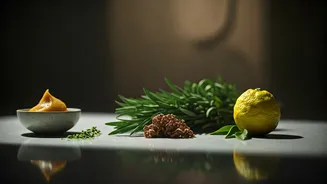
Move over, lemon and lime. Yuzu is the sophisticated citrus taking over cocktails, desserts, and dressings. Native to East Asia, this small, bumpy fruit looks like a miniature grapefruit but packs a flavor that’s entirely its own. It’s intensely fragrant, with a taste that sits somewhere between a grapefruit, a mandarin orange, and a lemon. But it’s the floral, aromatic notes that set it apart, delivering a bright acidity without the one-dimensional sharpness of its more common cousins. Because fresh yuzu is rare and expensive in the U.S., it’s most often found as a juice, paste, or in products like ponzu sauce. Its popularity has exploded as American palates have grown more adventurous. It adds an elegant, complex brightness to everything from vinaigrettes and marinades to hard seltzers and delicate custards. A splash of yuzu juice can transform a simple gin and tonic into a craft cocktail. Its presence signals a shift toward more nuanced and global flavors, where a simple acid isn't just sour—it's an entire sensory experience.