





Beyond the Summer Food Script
We love summer’s greatest culinary hits. There’s a beautiful simplicity to a perfectly grilled burger, a crisp wedge of watermelon, or a scoop of ice cream melting just a little too fast in the sun. These are the tastes that define the season, the reliable
supporting characters in our memories of long, warm days. But even the best script can feel a little repetitive by the time August rolls around. The burgers start to blur together, the salads feel less refreshing and more obligatory. You start to crave something that doesn't just satisfy hunger, but also surprises you. You need a culinary curveball, a flavor combination that wakes up your senses and reminds you that there are still new discoveries to be made, even in the most familiar of seasons.
First, A Word on Rasam
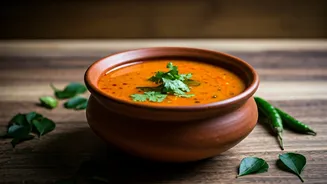
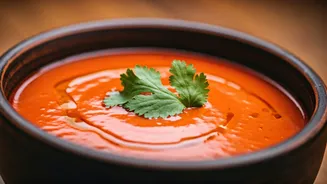
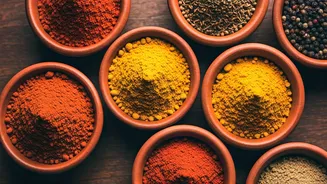
To understand the genius of this particular plot twist, you first have to meet the main character: Rasam. For the uninitiated, rasam is a cornerstone of South Indian cuisine, particularly in states like Tamil Nadu and Kerala. It’s a thin, peppery, and tangy soup-like broth that’s both a comfort food and a digestive aid. The traditional base is tamarind water, cooked down with tomatoes, black pepper, cumin, and other spices. It’s the kind of dish that can clear your sinuses and warm your soul simultaneously. It’s served over rice, sipped as a starter, or drunk on its own as a restorative tonic. Rasam is elemental, foundational, and deeply savory. It is not, by any conventional measure, sweet.
The Mango Changes Everything
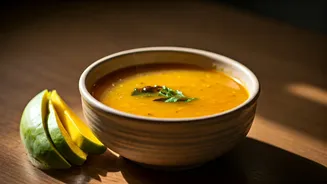
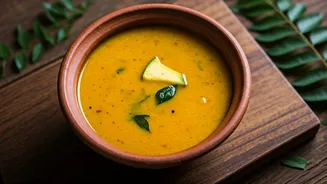
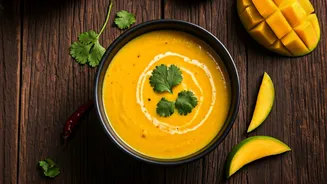
And that is precisely where the plot twist arrives. Mambazha Rasam, or Mango Rasam, takes the established formula and flips it on its head. Instead of relying solely on tamarind for its sour notes, it introduces the pulp of ripe, sweet mangoes. This is not the tart, green mango used for pickles; this is the lush, golden, fragrant fruit of peak summer. The mango doesn't just add sweetness; it fundamentally alters the dish's DNA. The liquid fire of the black pepper and chili now has a sweet, velvety counterpart. The tang of the tamarind (often used in smaller quantities here) is balanced by the fruit's floral notes. The result is a stunningly complex liquid that hits every single taste receptor: sweet, sour, spicy, savory, and a little bit funky, all in one spoonful.
A Symphony of Contradictions
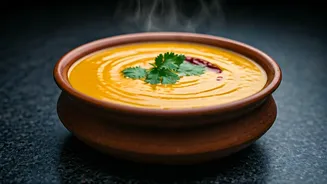
The most delightfully confusing part of Mango Rasam is that it’s a hot soup, typically enjoyed during the hottest time of the year. This feels wrong, but it’s so right. In many cultures, consuming hot food and drinks in warm weather is believed to help cool the body by inducing a gentle sweat. But beyond the science, there’s a poetic logic to it. The soup’s spiciness mirrors the sun's intensity, while the mango’s sweetness is a pure expression of summer’s bounty. It’s a dish that leans into the heat instead of fighting it. Eating a bowl of Mango Rasam with steamed rice is a full-body experience—a dance between the comforting warmth of the soup and the shocking, electric interplay of sweet fruit and hot spice.