





Embrace the Monsoon's Unique Charm
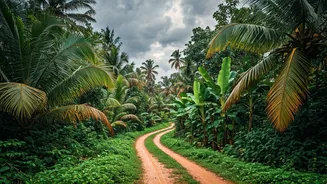
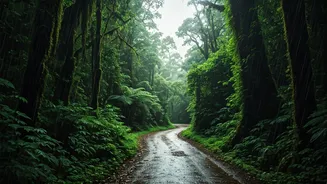
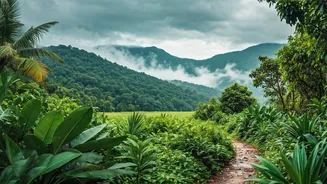
First, let's be clear why you'd travel to this sliver of southwestern India from June to September. This isn't a sun-and-sand vacation. The monsoon transforms Kerala into a lush, vibrant paradise. The searing heat of summer subsides, replaced by cool
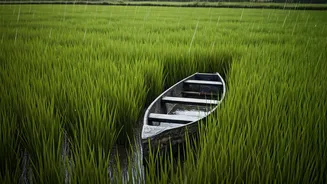
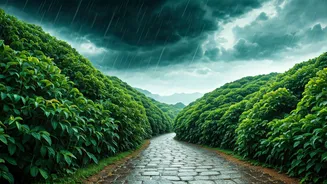
breezes and the rhythmic drumming of rain. Tourist crowds thin out, and accommodation prices often drop. It's the ideal time for certain experiences, particularly Ayurveda. The ancient system of Indian medicine holds that the moist, cool, dust-free monsoon air makes the body more receptive to treatments. Many travelers come specifically for these rejuvenating therapies, turning the rain into a key part of their wellness journey. Waterfalls are at their most spectacular, and the landscape, washed clean, is impossibly green.
Pack for Rain, Humidity, and Leeches
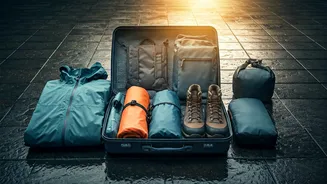
Your packing list is your first line of defense. Forget heavy jeans and cottons that take forever to dry. Instead, opt for lightweight, synthetic, quick-dry clothing. A reliable waterproof jacket and an umbrella are non-negotiable. For footwear, choose waterproof sandals with good grip or sturdy, water-resistant walking shoes; leave the leather and suede at home. The humidity is intense, so moisture-wicking fabrics will be your best friend. A waterproof bag or dry sack is essential for protecting electronics like your phone and camera. Finally, a less glamorous but critical item: leech socks. If you plan on trekking through forests or grassy areas, these bloodsuckers are a common nuisance. Packing a small kit with antiseptic, salt, or a lighter can help with their removal.
Plan Your Itinerary and Transport Wisely
The monsoon can be unpredictable, and what looks like a short drive on a map can become a long, challenging journey. Heavy downpours can cause localized flooding and landslides, particularly in hilly regions like Munnar or Wayanad. While the main highways are generally well-maintained, smaller rural roads can become impassable. It's wise to build buffer days into your itinerary and stay flexible. Hiring a car with an experienced local driver is often the safest and most reliable way to get around. They know the roads, understand the conditions, and can navigate detours. While train travel is a fantastic way to see the country, be prepared for potential delays. Always check the weather forecast and local news for travel advisories before setting out.
Stay Healthy and Hydrated
With the rain comes an increased risk of waterborne diseases. Stick exclusively to bottled or properly filtered water, and be cautious of raw foods, uncooked salads, and juices from street vendors. Only eat at reputable restaurants where food is served piping hot. Mosquitoes are also more prevalent during this season, so a good insect repellent containing DEET is crucial, especially during dawn and dusk, to protect against mosquito-borne illnesses like dengue fever. The high humidity can also be draining. Ensure you stay hydrated (with safe water) and don't overexert yourself, especially on your first few days as you acclimatize. Keep a basic first-aid kit with essentials for cuts, stomach issues, and pain relief.
Choose Your Activities With Care
Some of Kerala’s signature activities shine during the monsoon, while others are best avoided. Cruising the famous backwaters in a houseboat is often magical, with the rain creating a cozy, serene atmosphere. However, heavy storms can make the experience less pleasant. Visiting Athirappilly Falls, often called the "Niagara of India," is a must, as the cascades are at their thunderous peak. Cultural experiences, like watching a Kathakali dance performance or taking a cooking class, are excellent rainy-day activities. On the other hand, beach destinations like Varkala or Marari are not ideal. The seas are rough, swimming is dangerous, and many beachside shacks and resorts close for the season. Similarly, high-altitude trekking can be risky due to slippery paths and the aforementioned leeches.