



The Journey Is the Destination
In the remote Zanskar Valley of Ladakh, tucked away in the Indian Himalayas, lies one of the most isolated monastic communities on Earth: Phuktal Monastery. The journey here is not an afterthought; it’s a prerequisite. There are no roads that lead to
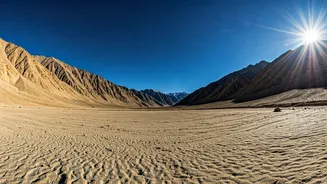
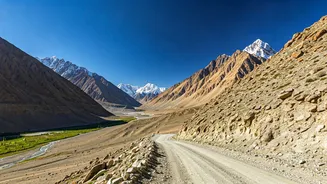
its ancient gate. To reach it, you must walk for days, following the frozen or flowing Lungnak River through a landscape of stark, breathtaking beauty. This trek is a physical and mental recalibration. With each step, the noise of modern life fades, replaced by the crunch of boots on gravel, the rush of glacial water, and the vast silence of the mountains. You’ll pass through tiny villages, sharing paths with locals and their pack animals, slowly shedding the urgency of the outside world. This pilgrimage is the first lesson in immersion—it strips away convenience to reveal a deeper connection to the environment.
First Sight: The Honeycomb Monastery
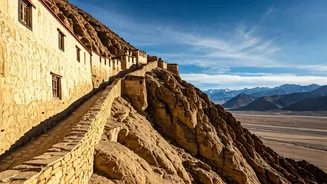
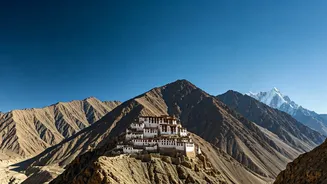
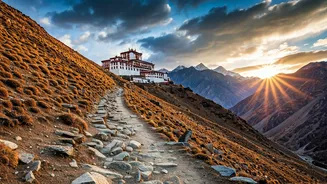
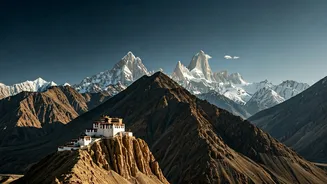
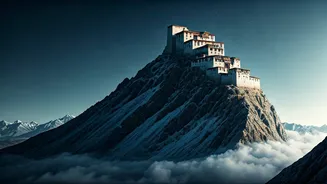
After days of walking, the first glimpse of Phuktal is an unforgettable, almost logic-defying sight. The monastery appears not so much built as born from the mountain itself. It’s a honeycomb-like structure of mud, stone, and timber clinging impossibly to the sheer face of a cliff, spilling out from the mouth of a massive natural cave. The name “Phuktal” translates to “cave of liberation,” a nod to the ancient hermits and scholars who sought refuge and enlightenment here over 2,500 years ago. The formal monastery was founded in the 15th century and belongs to the Gelug school of Tibetan Buddhism, famously led by the Dalai Lama. Its library and prayer halls hold centuries-old manuscripts and sacred artifacts, preserved by the dry, cold air and the devotion of its residents. To see it is to witness a triumph of faith over gravity.
A Life of Devotion and Discipline
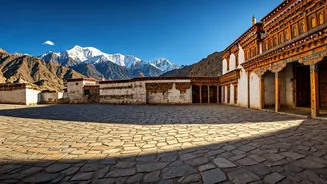
True immersion at Phuktal isn’t about sightseeing; it’s about respectfully observing a living, breathing community dedicated to spiritual practice. Roughly 70 monks, from young boys in training to learned elders, call this place home. Their day begins before sunrise with the sound of horns and chanting echoing through the canyon. Life is a cycle of prayer, philosophical debate, study, and the practical chores required to sustain a community in such an extreme environment. During the harsh winter, the monastery is completely cut off from the world for months by heavy snow. This isolation fosters a profound sense of interdependence and discipline. As a visitor, you are a guest in this sacred space, and witnessing this ancient rhythm of life is a powerful, humbling experience.
What Immersion Truly Means Here
Visiting Phuktal is not a luxury experience. Accommodations are spartan, often in a simple guesthouse or a tent. Food is basic but nourishing—think rice, lentils, and butter tea. There is no Wi-Fi, no cell service, and electricity is a rare commodity, usually provided by a small solar panel. But what you give up in comfort, you gain in clarity. Immersion here means being present. It means listening more than you speak. It means accepting the quiet rhythm of monastic life, finding wonder in the simple act of watching young monks play in the courtyard, or sharing a smile with an elder. The gift of Phuktal is the chance to disconnect from digital distractions and reconnect with something more fundamental: the landscape, the community, and ultimately, yourself. It’s a reminder that the most profound experiences are often found far from the noise, at the end of a long, challenging road.