


1. Minimalism with an Indian Soul
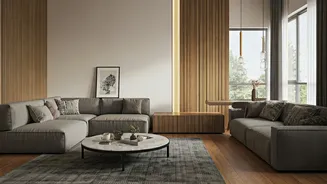
Forget the cold, sterile minimalism of a decade ago. The new aesthetic taking root in Indian urban homes is warm, personal, and deeply connected to its cultural context. While the core principles—uncluttered spaces, clean lines, and intentionality—are
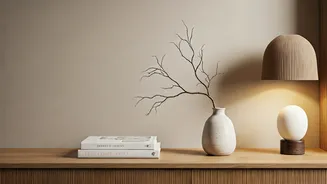
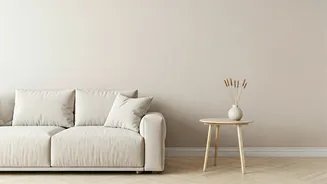
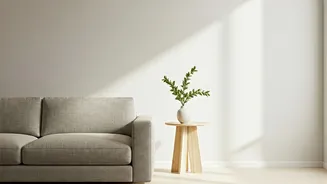
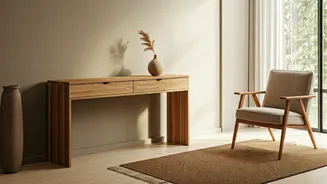
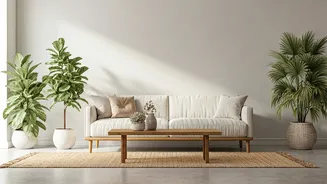
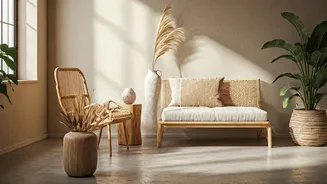
there, they’re softened with distinctly Indian elements. Designers are moving away from the heavy, ornately carved furniture and jewel-toned silks that once defined luxury. Instead, they are embracing what some call a 'mindful' minimalism. This means pairing a simple, neutral sofa with cushions made from hand-loomed Khadi fabric, or placing a single piece of traditional brassware on a sleek, modern console. It’s about creating breathing room, allowing a few beautiful, meaningful objects to shine rather than overwhelming the senses with decorative excess. The goal isn’t emptiness, but thoughtful simplicity.
2. The Great Indoors and Biophilia
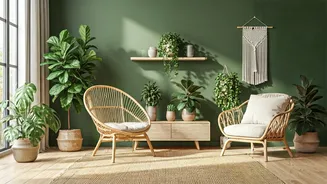
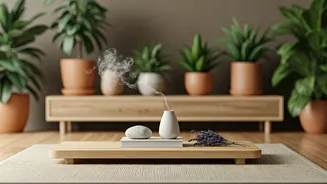
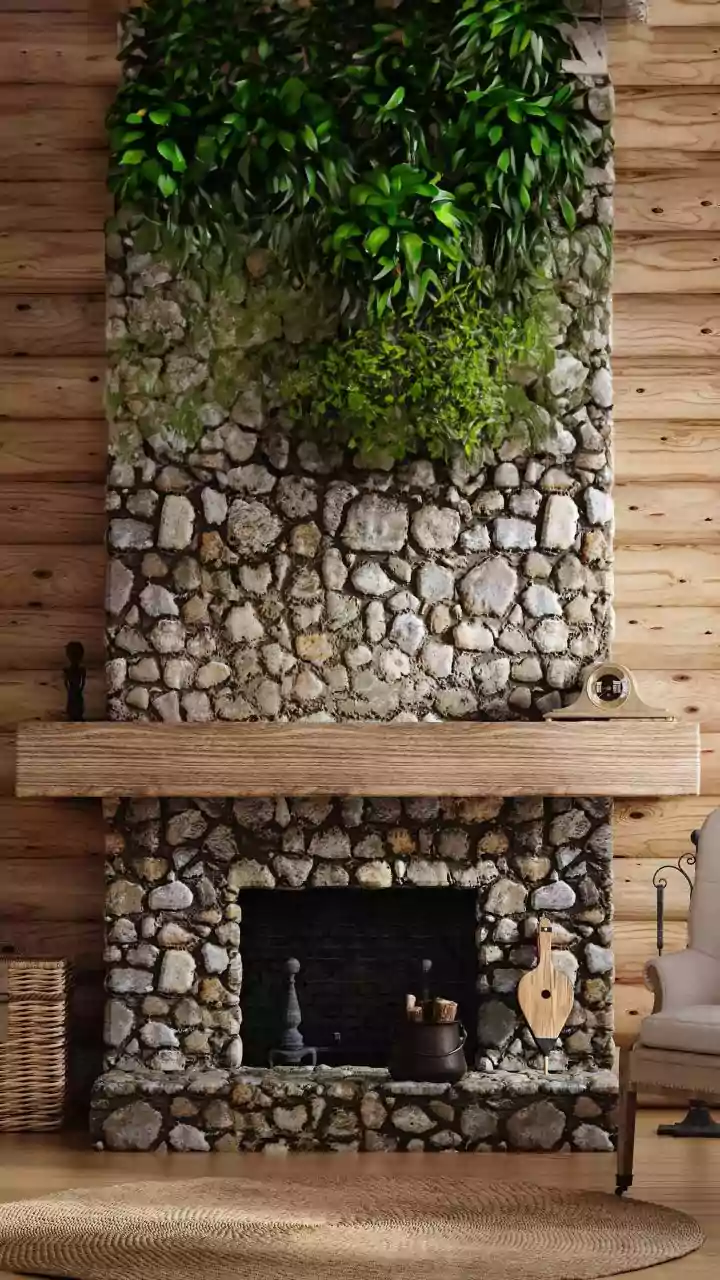
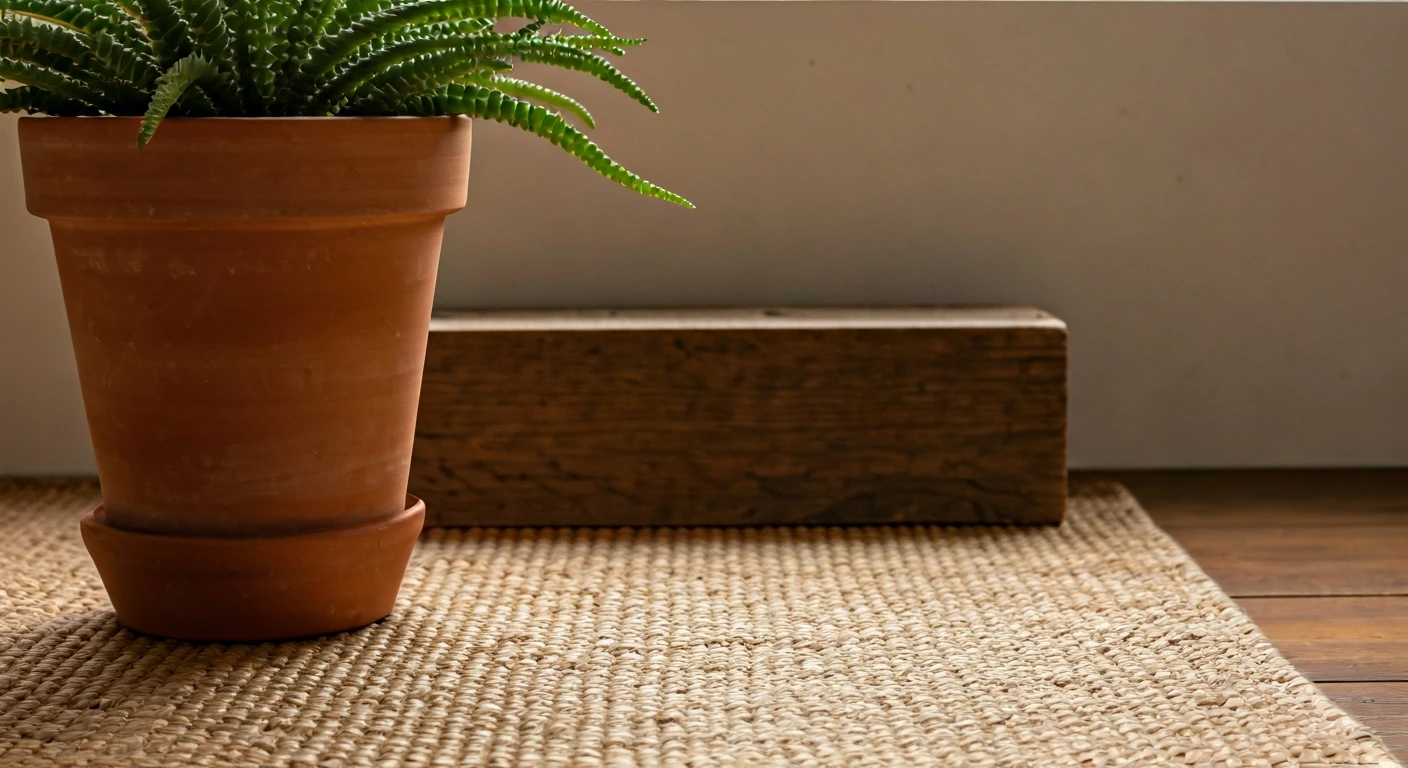
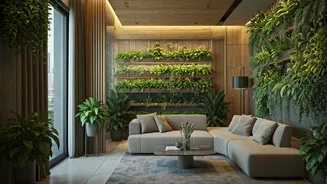
The desire for calm is intrinsically linked to a connection with nature. This concept, known as biophilia, is now a cornerstone of modern Indian design. With city life becoming ever more congested, bringing the outdoors in has become a psychological necessity. This goes beyond placing a few potted plants on a windowsill. We're seeing the rise of interior courtyards, large windows that blur the line between inside and out, and the use of natural materials everywhere. Unfinished wood, exposed brick, terracotta tiles, and jute rugs provide a tactile connection to the earth. Balconies are being transformed from storage afterthoughts into lush, green retreats. Natural light is being maximized to create bright, airy spaces that boost mood and well-being. This embrace of nature is a direct response to a world that feels increasingly artificial and screen-based.
3. A Softer, Earthier Color Story
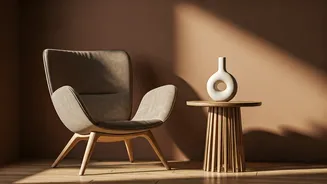
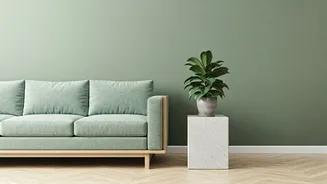
The vibrant, saturated colors long associated with Indian festivals and textiles—think Rani pink and saffron yellow—are taking a backseat inside the home. The current palette is decidedly more grounded and soothing. Designers are reporting a huge demand for earthy tones that evoke a sense of tranquility. Terracotta, sand, beige, sage green, and muted blues are becoming the new neutrals. These colors create a serene backdrop that is easy on the eyes and calming for the mind. When brighter colors are used, they appear as intentional accents—a single piece of art, a bold cushion, or a colorful rug—rather than dominating the entire room. This shift reflects a collective desire to lower the visual 'noise' in our personal environments and create a space that feels restorative rather than stimulating.
4. The Rise of the 'Imperfect' and Handcrafted
In a reaction against mass-produced perfection, there is a growing appreciation for objects that tell a story. Homeowners are seeking out unique, handcrafted items from local artisans. This includes everything from block-printed textiles and hand-thrown pottery to furniture made from reclaimed wood. The slight imperfections in these pieces—the weaver's knot, the potter's fingerprint—are no longer seen as flaws but as marks of authenticity and humanity. This trend, often called 'wabi-sabi' in a Japanese context, finds a natural home in India, with its rich history of craftsmanship. By choosing sustainable, locally sourced decor, homeowners are not only creating a more personal and soulful space but also supporting local economies and preserving traditional skills. It’s a move toward conscious consumerism, where every object in the home has meaning and value beyond its function.
5. Flexible Spaces for Modern Life
The pandemic permanently altered our relationship with our homes, forcing them to become offices, gyms, classrooms, and entertainment centers all at once. As a result, the demand for flexible, multi-functional design has skyrocketed in India. Formal living rooms that were once reserved for guests are being transformed into comfortable family lounges that incorporate a workspace. Open-plan layouts are being subtly divided with clever partitions, screens, or modular furniture that can be reconfigured as needed. The focus is on creating smart, adaptable environments that cater to the fluid reality of modern life. An uncluttered, organized space is now seen as essential for a clear mind, making thoughtful storage solutions and multi-purpose furniture more popular than ever. This practicality is the final piece of the puzzle, ensuring that these calming homes are not just beautiful, but also highly livable.