



First, What Is Millet?
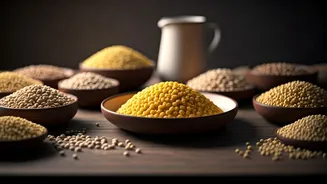
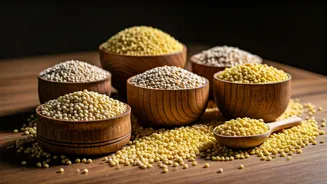
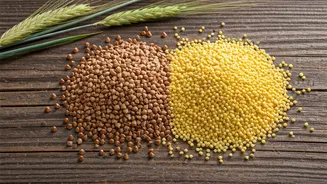
Before you dismiss it as just birdseed—a common but outdated misconception—let’s set the record straight. Millet is a category of small-seeded grasses cultivated for thousands of years around the world, particularly in Asia and Africa. It’s a staple food
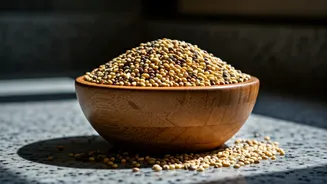
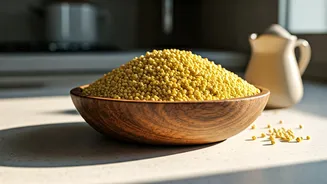
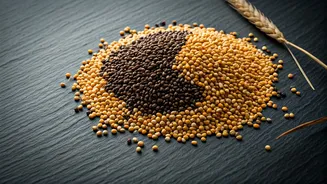
for millions, revered for its resilience as a crop and its impressive nutritional profile. Unlike wheat, rye, and barley, millet is naturally gluten-free, making it an excellent option for those with celiac disease or gluten sensitivity. When cooked, it can be fluffy like quinoa, creamy like polenta, or have a satisfying pop like couscous, depending on the variety and preparation. It has a mild, slightly nutty and corn-like flavor that makes it a perfect blank canvas for both sweet and savory dishes.
The ‘Healthy’ Part: A Nutritional Powerhouse
The headline doesn’t lie. Millet earns its “healthy” reputation by packing a serious nutritional punch. It’s a fantastic source of plant-based protein and dietary fiber, which helps with digestion and keeps you feeling full and satisfied longer, curbing mid-morning snack attacks. This high fiber content also contributes to its low glycemic index, meaning it won’t cause the dramatic blood sugar spikes and crashes associated with sugary breakfast cereals. Furthermore, millet is rich in essential minerals that many American diets lack. It’s a great source of magnesium, which is crucial for muscle and nerve function, as well as phosphorus for bone health and manganese, a powerful antioxidant. For a tiny grain, it delivers a wealth of benefits that can support heart health, manage blood sugar, and contribute to overall wellness.
Idea 1: Creamy Millet Porridge
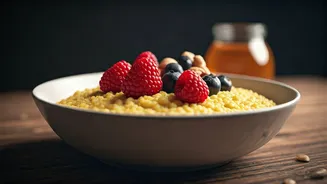
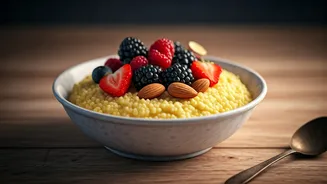
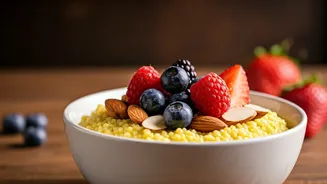
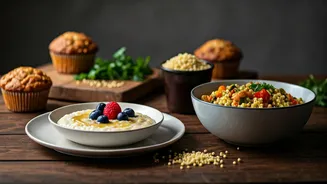
The easiest and most comforting way to start your millet journey is with a warm bowl of porridge. It’s a delightful alternative to oatmeal with a wonderfully creamy texture. To make it, simply combine one part millet with three to four parts liquid (water, milk, or a plant-based milk like almond or coconut) in a saucepan. Bring to a boil, then reduce the heat, cover, and simmer for 20–25 minutes, stirring occasionally until the millet is tender and has absorbed the liquid. The longer you cook it and the more you stir, the creamier it will become. From there, the possibilities are endless. Stir in a dash of cinnamon, a drizzle of maple syrup, or a spoonful of brown sugar. Top it with fresh berries, sliced bananas, toasted pecans, or a dollop of yogurt for a breakfast that feels both indulgent and wholesome.
Idea 2: The Savory Breakfast Bowl
Who says breakfast has to be sweet? Millet’s mild flavor makes it an ideal base for a savory morning meal that’s packed with protein and vegetables. Cook the millet as you would rice (using a 1:2 ratio of millet to water or broth) until it’s fluffy and the liquid is absorbed. Then, treat it like a grain bowl. Top a generous scoop of warm millet with a sunny-side-up egg, sliced avocado, and a handful of sautéed spinach or kale. A sprinkle of everything bagel seasoning, a dash of hot sauce, or some crumbled feta cheese can elevate it even further. This kind of breakfast provides a balanced mix of complex carbs, healthy fats, and protein that will energize you for hours without weighing you down.
Idea 3: Puffed, Popped, and Baked
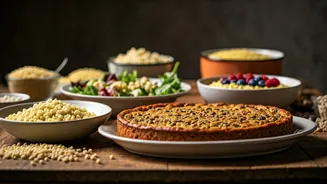
Millet’s versatility extends beyond a simple cooked grain. You can find puffed millet in the cereal aisle of many health food stores, which offers a light, crispy texture perfect for pouring milk over or mixing into homemade granola. You can also “pop” raw millet in a dry skillet over medium heat, much like popcorn, until the grains start to jump and release a nutty aroma; sprinkle these crunchy little morsels over yogurt or smoothie bowls. Finally, consider millet flour for your weekend baking projects. It adds a lovely, tender crumb and a boost of nutrients to pancakes, muffins, and quick breads. Try substituting about 25-30% of the all-purpose flour in your favorite recipe with millet flour to get started.