



Goodbye, Cardio Queen; Hello, Powerlifter
The fitness pendulum is swinging, decisively, toward strength. Not just the incidental strength you get from a HIIT class, but deliberate, focused, heavy-lifting strength. For a generation raised on the gospel of cardio and the aesthetics of “toning,”
this represents a seismic shift. The new goal isn't about burning the maximum number of calories or shrinking yourself, but about building tangible capability. It’s the difference between exercising to be less and training to be more. This movement re-centers fitness on a simple, powerful question: What can your body do? The answer, increasingly, is measured in pounds on a barbell, in the triumphant feeling of lifting something heavy off the floor and putting it back down, entirely under your own power.
The Rise of the Social Media Strongwoman
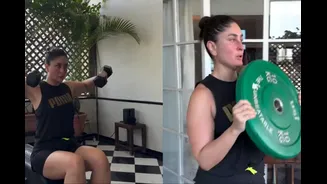
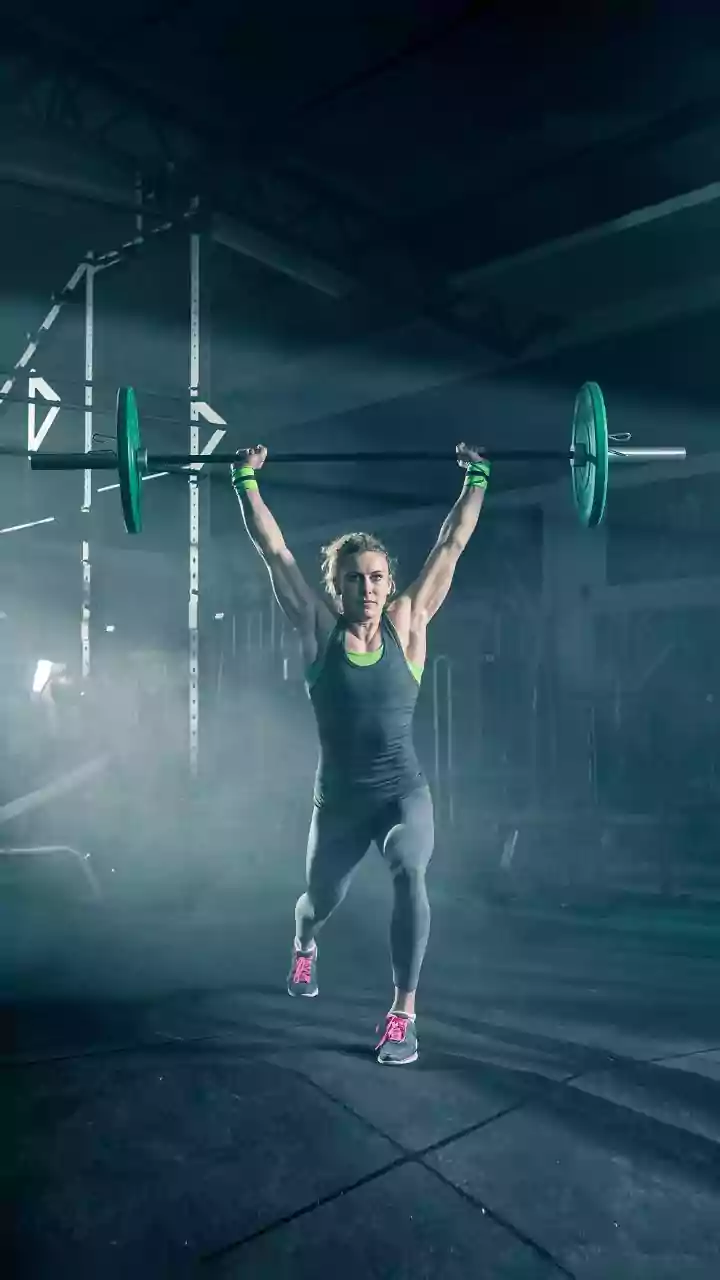
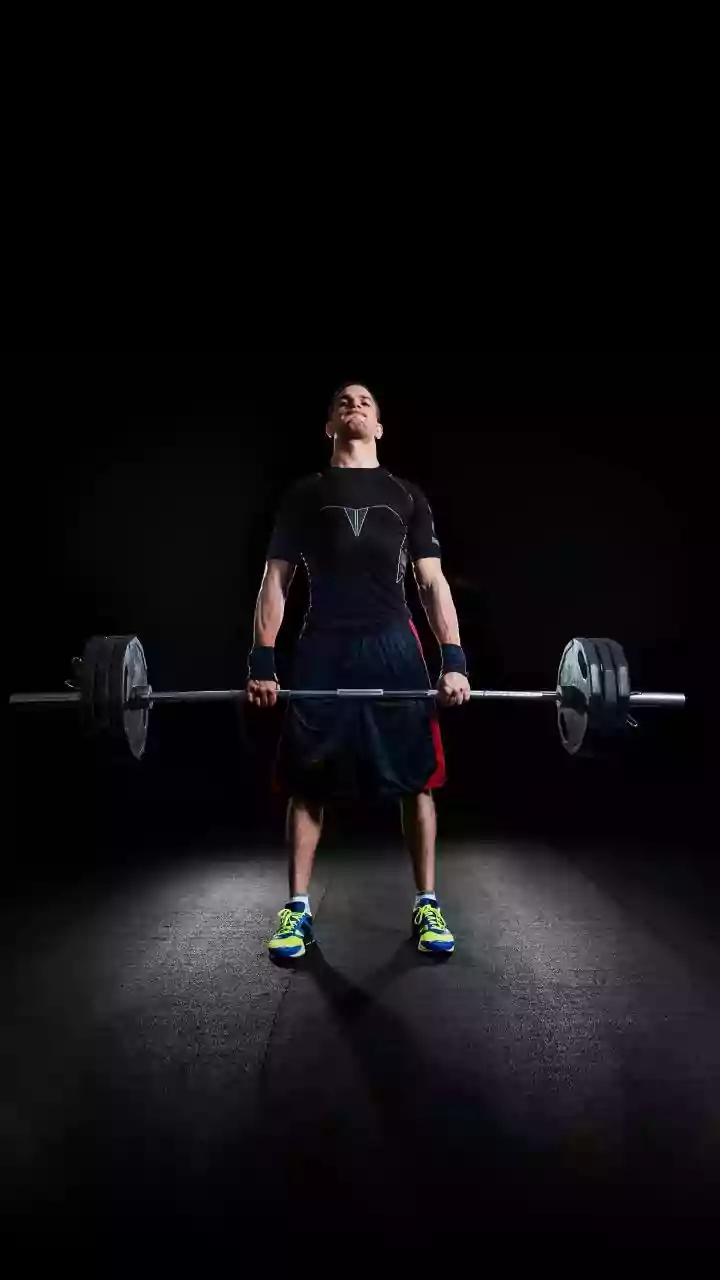
A quick scroll through TikTok or Instagram confirms this cultural pivot. Where fitness influencers once exclusively posted photos of green juice and six-pack abs, you’re now just as likely to see women (and men) celebrating a new personal record on a deadlift. The visual language has changed. The grimace of a heavy lift, the chalk-dusted hands, the triumphant roar after a successful attempt—these are the new symbols of dedication. This online visibility has done more than just create a new genre of content; it has radically destigmatized muscle, especially for women. It has reframed strength as an emblem of empowerment, not a masculine trait. Watching someone who looks like you lift twice their bodyweight is a powerful motivator, transforming strength training from an intimidating niche into an aspirational and accessible goal.
More Than Just Bragging Rights
While the validation of a new PR is intoxicating, the appeal of strength training runs deeper than gym-floor bragging rights. The focus on compound movements—squats, deadlifts, presses—builds a kind of functional armor for life. It makes carrying groceries, lifting a child, or moving furniture easier and safer. The benefits are neurological and psychological, too. The focus required to execute a heavy, technical lift is a form of mindfulness, a moment where the noise of daily life fades away. Moreover, the practice builds immense mental resilience. Every failed lift is a lesson in humility and strategy; every successful one is a direct deposit into your confidence account. In a world that often feels chaotic and out of our control, building physical strength offers a direct, measurable sense of agency.
How the Gym Floor Is Changing
This trend isn’t just in our heads or on our feeds; it’s reshaping the physical layout of fitness centers. The rows of single-purpose machines are starting to feel dated. In their place, gyms are dedicating more and more real estate to squat racks, lifting platforms, and open floor space for functional training. The rise of hybrid gyms, which blend the community and programming of CrossFit with the freedom of open-gym lifting, caters directly to this new market. Equipment manufacturers are responding, with a renewed focus on high-quality barbells, bumper plates, and racks. The message from the industry is clear: they see where the demand is headed, and it’s heavy. The lone powerlifting corner of the gym is expanding, threatening to become the main event.