
More Than Just Canned Beans
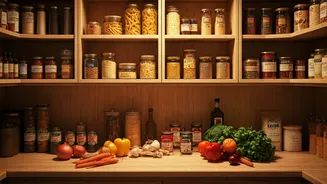
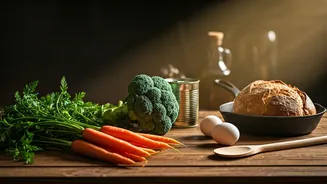
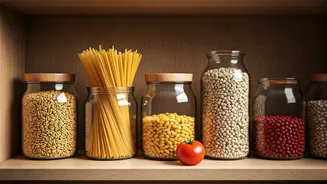
Pantry cooking isn’t just about survival; it’s a philosophy. At its core, it’s the art of creating delicious, satisfying meals using shelf-stable ingredients you already have on hand. Think canned tomatoes, dried pasta, beans, lentils, rice, spices, oils,
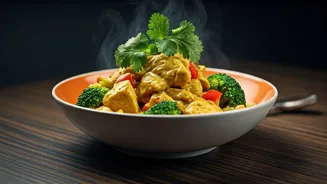
and vinegars. But the modern take expands this to include the freezer’s forgotten vegetables and the refrigerator’s last-leg produce. It’s less about following a rigid recipe and more about embracing a flexible, improvisational mindset. A can of chickpeas isn't just a can of chickpeas—it’s the base for a hearty curry, a crispy roasted snack, or even the liquid gold (aquafaba) needed for a vegan meringue. This approach transforms the kitchen from a place of consumption to one of creation, making cooks out of anyone willing to experiment.
The Engine of Inflation
Let’s be honest: a big driver behind this trend is the sticker shock at the grocery store. With food prices soaring, many Americans are looking for ways to stretch their budgets without resorting to bland, repetitive meals. Pantry cooking has become the perfect answer. It’s a pragmatic response to economic pressure, reframing frugality as a smart, strategic choice. A well-stocked pantry acts as a buffer against rising costs, allowing for fewer, more intentional grocery trips. By building meals around affordable staples like pasta, rice, and beans, families can significantly reduce their weekly food bills. This isn't about deprivation; it's about empowerment—taking control of your budget by leveraging the resources you already own.
The Creativity of Constraint
While necessity might be the mother of invention, it's also the secret ingredient to culinary creativity. When you can’t just run to the store for one missing item, you’re forced to think differently. This is where pantry cooking gets its “cool” factor. The limitation of a finite set of ingredients becomes a creative puzzle. How can you make that can of tuna exciting? Maybe by flaking it with olive oil, chili flakes, and lemon juice (from that one lemon rolling around the crisper) and tossing it with pasta. That stale bread? It’s not trash; it’s future croutons, breadcrumbs, or the star of a panzanella salad. This process encourages a deeper understanding of flavors and techniques, turning home cooks into resourceful problem-solvers. It’s a low-stakes culinary adventure that happens right in your own kitchen.
Social Media's Scrappy Glamour
The aesthetic of resourcefulness is being broadcast to millions via platforms like TikTok and Instagram. Content creators have found a massive audience by showing how to turn humble ingredients into something beautiful and crave-worthy. You'll find viral videos on “bottom of the jar” salad dressings, turning near-empty mustard or jam containers into a vessel for a vinaigrette. There are “fridge clean-out” challenges and tutorials on making “struggle meals” that look anything but. This digital movement has successfully rebranded simple food. It’s no longer about a perfectly styled, expensive plate of food. The new status symbol is the ability to whip up a fantastic meal from what looks like nothing, proving that skill and creativity are more valuable than a high-end grocery list.
A Sustainable Side Effect
Beyond the wallet and the palate, pantry cooking taps into a growing desire for a more sustainable lifestyle. Food waste is a massive environmental issue in the U.S., with households throwing away tons of edible food every year. By encouraging us to use what we have, pantry cooking is an inherently anti-waste practice. It means finally using the wilting scallions, the half-empty bag of quinoa, and the frozen chicken breast that’s been sitting in the freezer for months. This mindset shift—viewing every ingredient as a resource to be used rather than an item to be consumed or discarded—aligns perfectly with a broader cultural move toward conscious consumption and reducing our environmental footprint, one delicious, resourceful meal at a time.