


First, What Is Ekadashi?
Before we get to the food, let’s set the scene. Ekadashi, which translates to 'the eleventh day,' occurs twice in every Hindu lunar month. It's a day considered spiritually significant, often dedicated to the worship of Lord Vishnu. Many observers mark
the day with a 'vrat,' a Sanskrit word for a vow or spiritual observance, which most commonly takes the form of a partial or full fast. The goal isn't just to abstain from food but to quiet the body and mind, directing one's energy toward spiritual reflection. For millions, it's a built-in reset button—a day to step back from the usual routine and focus inward.
The Rules of a 'Fast' That Isn't About Starving
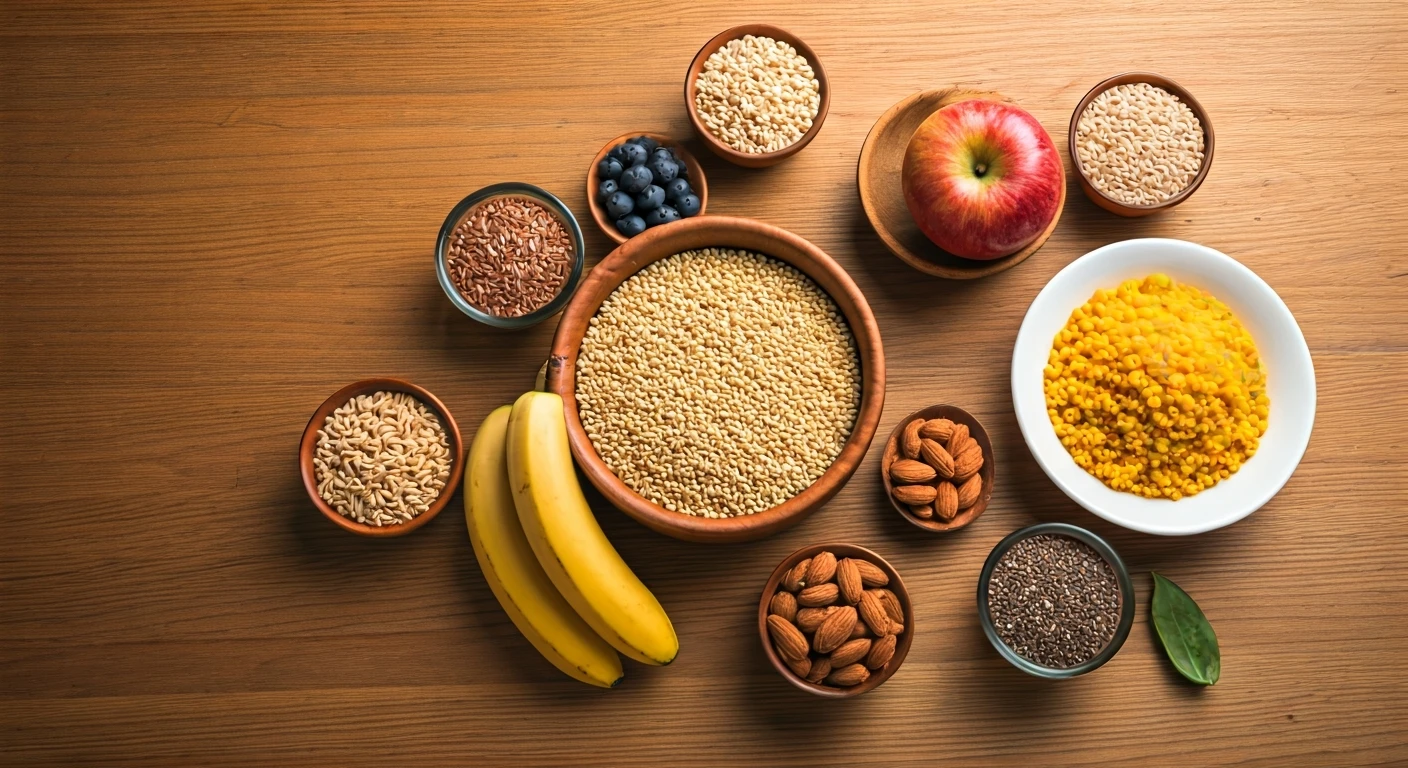
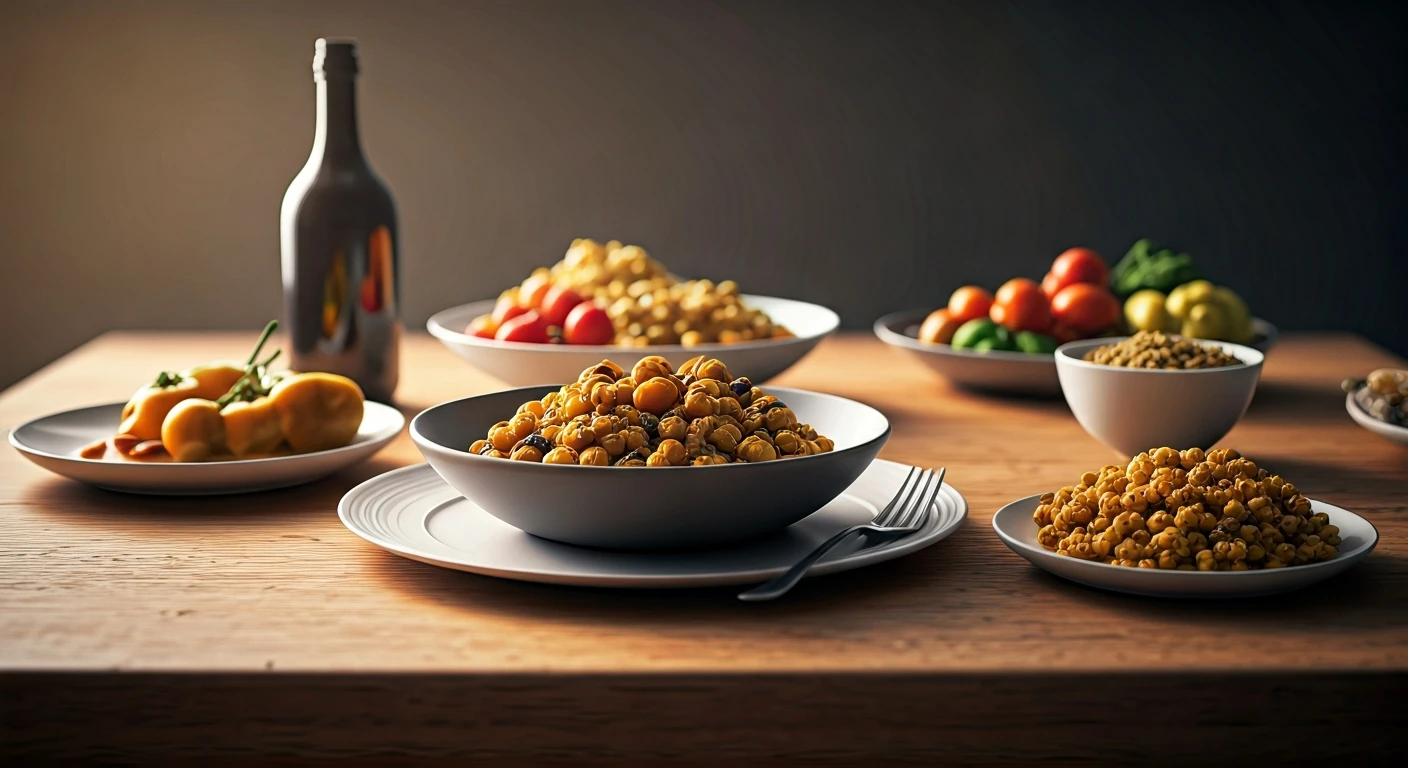
Here’s where it gets interesting for food lovers. The Ekadashi vrat isn't about avoiding all food; it's about avoiding specific foods. The primary rule is a complete abstention from grains (like rice, wheat, and oats) and lentils or beans. Some traditions also exclude onions, garlic, and certain spices. This dietary shift is believed to give the digestive system a rest from heavy, complex foods. But instead of an empty plate, this restriction opens the door to a whole different menu—one based on fruits, dairy, nuts, and specific non-grain starches that are both delicious and sustaining.
Sabudana: The Star of the Vrat Kitchen
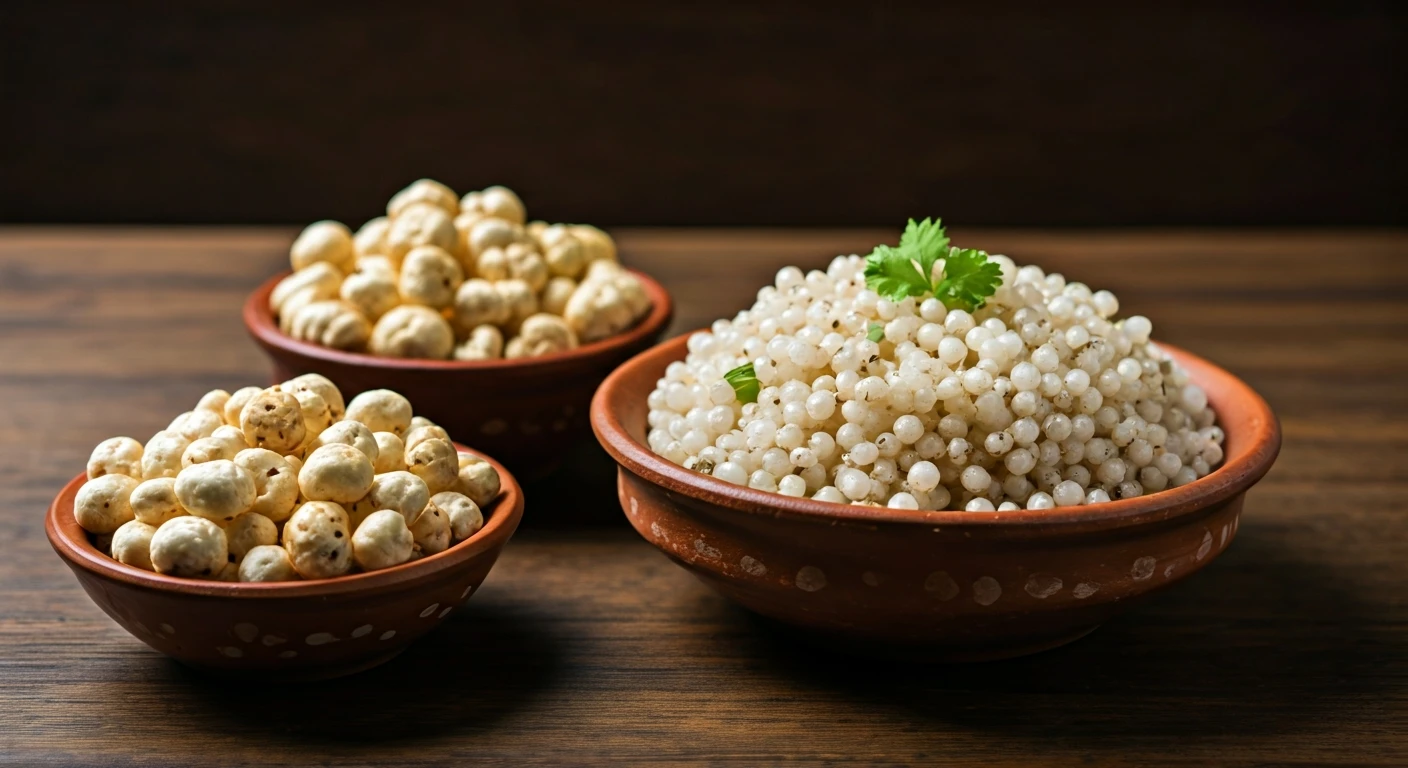
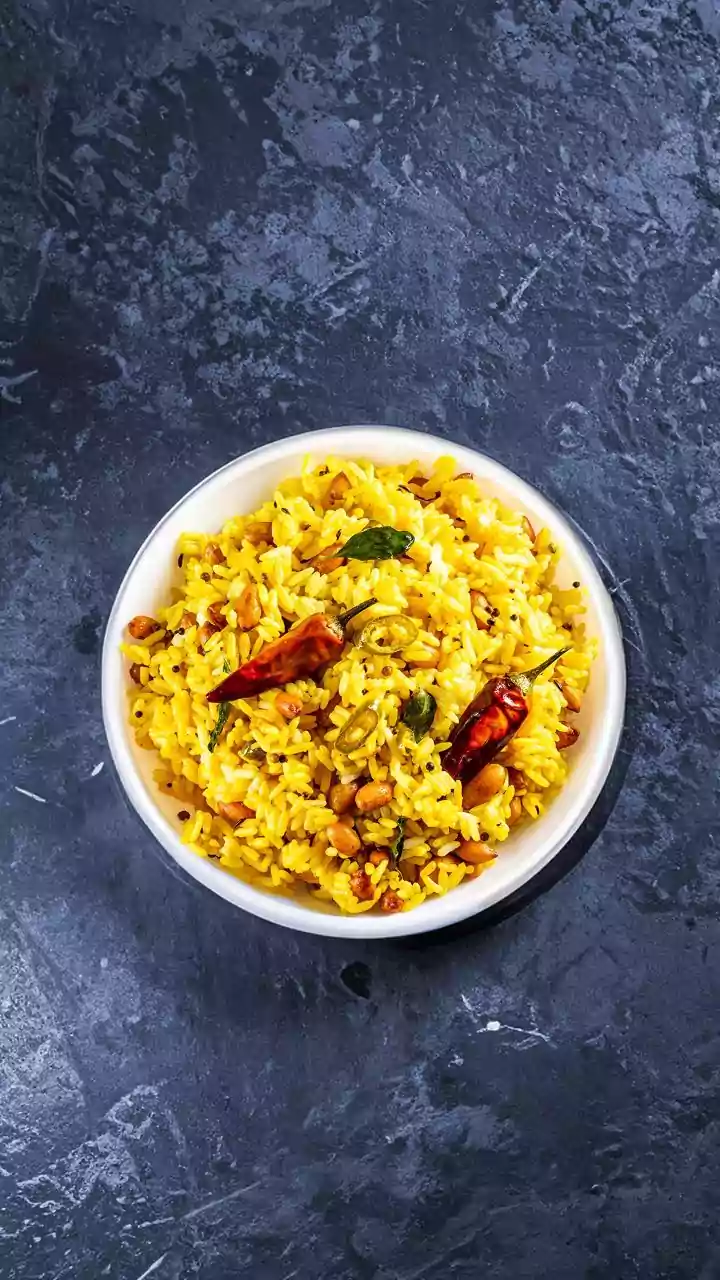
If there’s one ingredient that defines vrat cooking, it's sabudana, or tapioca pearls. These small, starchy spheres are a perfect source of grain-free carbohydrates. The most beloved dish is Sabudana Khichdi, a savory pilaf-like preparation that’s a masterclass in texture. The chewy pearls are sautéed with roasted peanuts for crunch, boiled potatoes for softness, and often spiced with green chilies and cumin, then finished with a bright squeeze of lemon juice. It's a deeply satisfying, one-pan meal that feels more like a treat than a sacrifice.
The 'Secret' Flours: Buckwheat and Water Chestnut
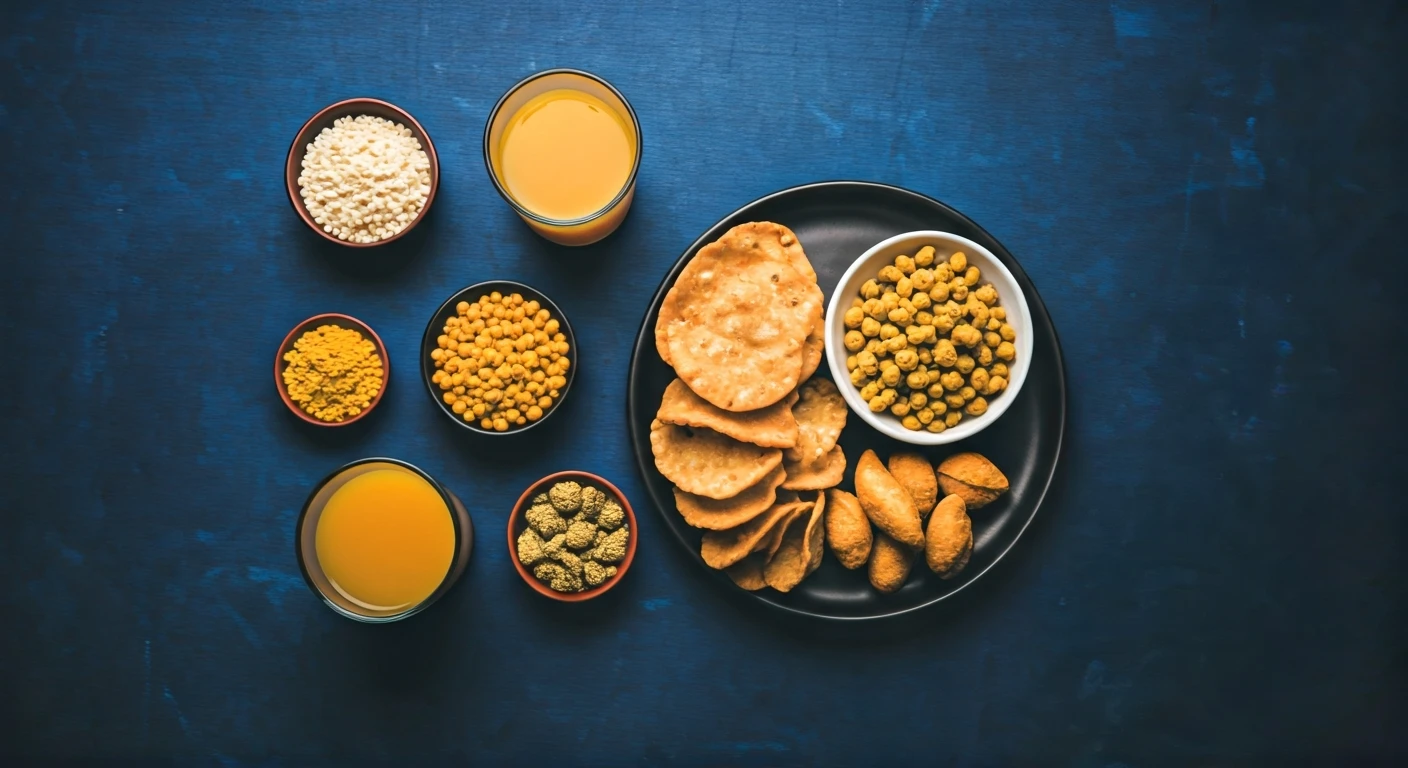
Craving bread? There’s a vrat-friendly solution. Since wheat is off-limits, observers turn to alternative flours. The most common are 'kuttu ka atta' (buckwheat flour) and 'singhare ka atta' (water chestnut flour). Despite its name, buckwheat is a seed, not a grain, making it perfectly acceptable. These earthy, nutty flours are used to make 'puris' (small, puffy fried breads) or 'rotis' (flatbreads). Paired with a simple yogurt-based potato curry, these breads provide the comforting satisfaction of a hearty meal, all while adhering to the fast's guidelines.
Makhana: The Healthy Popcorn Alternative
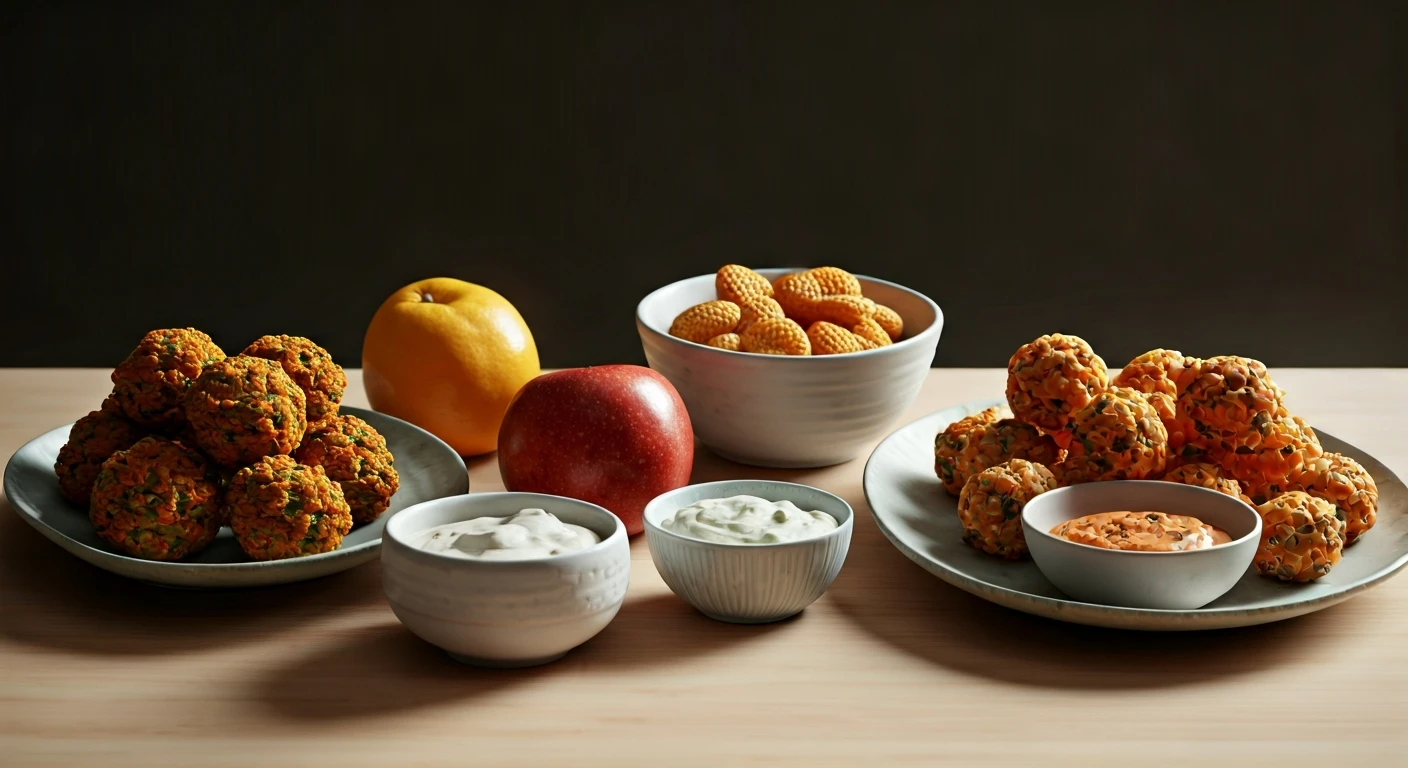
For light snacking, nothing beats makhana, also known as fox nuts or puffed lotus seeds. These lightweight, airy morsels look a bit like rustic popcorn but have a distinct, mildly sweet flavor of their own. For vrat, they are typically roasted in a little ghee (clarified butter) until crisp and sprinkled with rock salt ('sendha namak,' the preferred salt for fasting). They are incredibly light yet satisfyingly crunchy, and packed with nutrients. Whether eaten plain or used to create a 'kheer' (a sweet pudding), makhana is a versatile and essential part of the Ekadashi pantry.
Simple, Sweet, and Satisfying
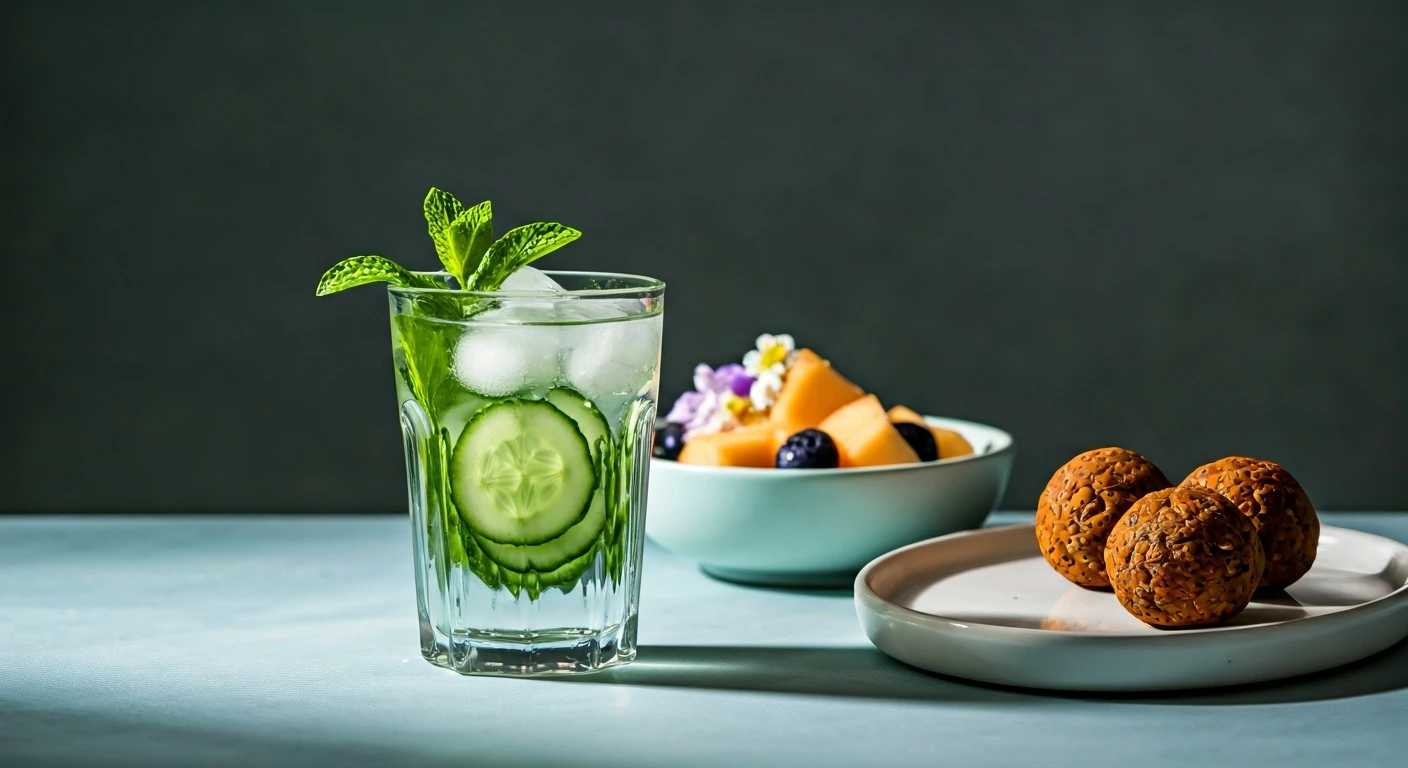
Beyond the more complex dishes, Ekadashi eating is rooted in simplicity. A bowl of fresh fruit, a glass of milk, or a handful of nuts are all common ways to sustain energy throughout the day. Sweet potatoes ('shakarkandi') are another popular choice. They can be simply boiled and eaten with a squeeze of lemon or cubed and turned into 'shakarkandi ki chaat,' a savory-sweet snack tossed with spices and cilantro. These natural, wholesome options round out the vrat menu, providing sweetness and energy without breaking the rules.