







More Than a Macro
Step away from the old image of a bodybuilder chugging a raw-egg smoothie. For today’s under-27 crowd, protein has been decoupled from the singular pursuit of muscle. It’s now deeply intertwined with identity, ethics, and environmentalism. While older
generations may have viewed food choices through the lens of calories or fat content, Gen Z applies a much broader, values-based filter. Their decisions in the grocery aisle are often a direct reflection of their concerns about climate change, animal welfare, and personal health. This isn't just a dietary preference; for many, it's a form of quiet activism. A protein source isn't just fuel; it's a statement.
The Rise of the Flexitarian
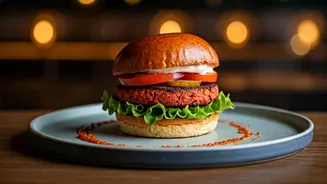
This shift doesn’t necessarily mean an entire generation has gone vegan. Instead, the dominant trend is flexitarianism—a primarily plant-based diet with the occasional, intentional inclusion of meat or fish. Gen Z is more likely than any previous generation to identify as flexitarian, seeing it as a pragmatic compromise rather than an all-or-nothing commitment. They’ll have a plant-based burger for lunch and chicken for dinner the next day without any sense of contradiction. This fluidity is powered by a booming market of alternatives. Oat milk in their protein shakes, pea protein in their snack bars, and lentil pasta for dinner are not niche health-store items; they are mainstream staples. Brands like Impossible Foods and Beyond Meat found their most enthusiastic early adopters in this demographic, who see swapping a beef patty for a plant-based one as a simple, effective way to reduce their environmental impact.
When Meat Is on the Menu
When Gen Z does eat meat, poultry, or fish, they often do it differently. The 'conscience' part of the equation extends here, too. They are driving demand for transparency and higher ethical standards. A simple 'chicken breast' label is no longer enough. They want to know if it's 'pasture-raised,' 'antibiotic-free,' 'sustainably farmed,' or 'locally sourced.' They are far more skeptical of industrial agriculture and are willing to pay a premium for products that align with their values. This puts pressure on legacy food companies to clean up their supply chains and be more forthcoming about their practices. For this generation, a cheap price tag can be a red flag, signaling potential shortcuts in ethics or quality that they are increasingly unwilling to accept.
Information, Influence, and TikTok
This hyper-awareness is fueled by unprecedented access to information. While Boomers had the food pyramid and Millennials had food blogs, Gen Z has TikTok, where a 30-second video can expose the realities of factory farming or showcase a viral recipe for high-protein 'cottage cheese toast.' Social media acts as a massive, decentralized engine for food education and trend-setting. Influencers who focus on sustainable living or plant-based recipes command huge followings, shaping purchasing habits in real-time. This digital fluency means a brand's reputation can be made or broken overnight. Authenticity and transparency aren't just marketing buzzwords; they are essential for survival in a market where every consumer is a potential watchdog.