


The Off-Season's New Allure
For decades, India’s monsoon season, which typically runs from June to September, was considered the absolute off-season for tourism. Travel guides warned of torrential downpours, oppressive humidity, and potential travel disruptions. But a shift is underway,
driven by a new generation of travelers who prioritize authenticity and value over picture-perfect weather. The primary appeal is economic. During the monsoon, international airfares and hotel rates can drop by as much as 30-50%. For a budget-conscious traveler, this transforms an expensive bucket-list destination into an accessible reality. Beyond the savings, however, is a growing appreciation for a different kind of India. The scorching heat of summer gives way to a world reborn in vibrant green. The crowds thin out, offering a more intimate experience at iconic sites that are usually swamped with visitors. This trifecta of lower costs, fewer people, and unique atmospheric beauty is proving irresistible.
From Mood Board to Reality
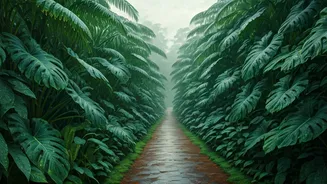
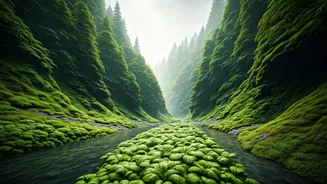
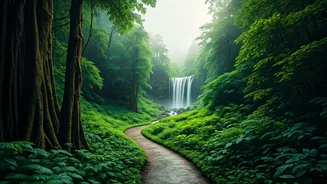
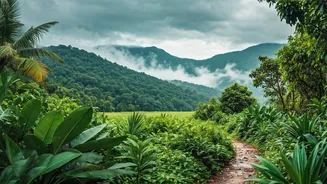
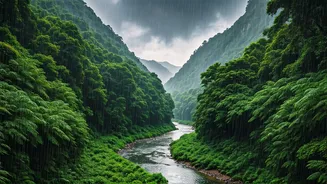
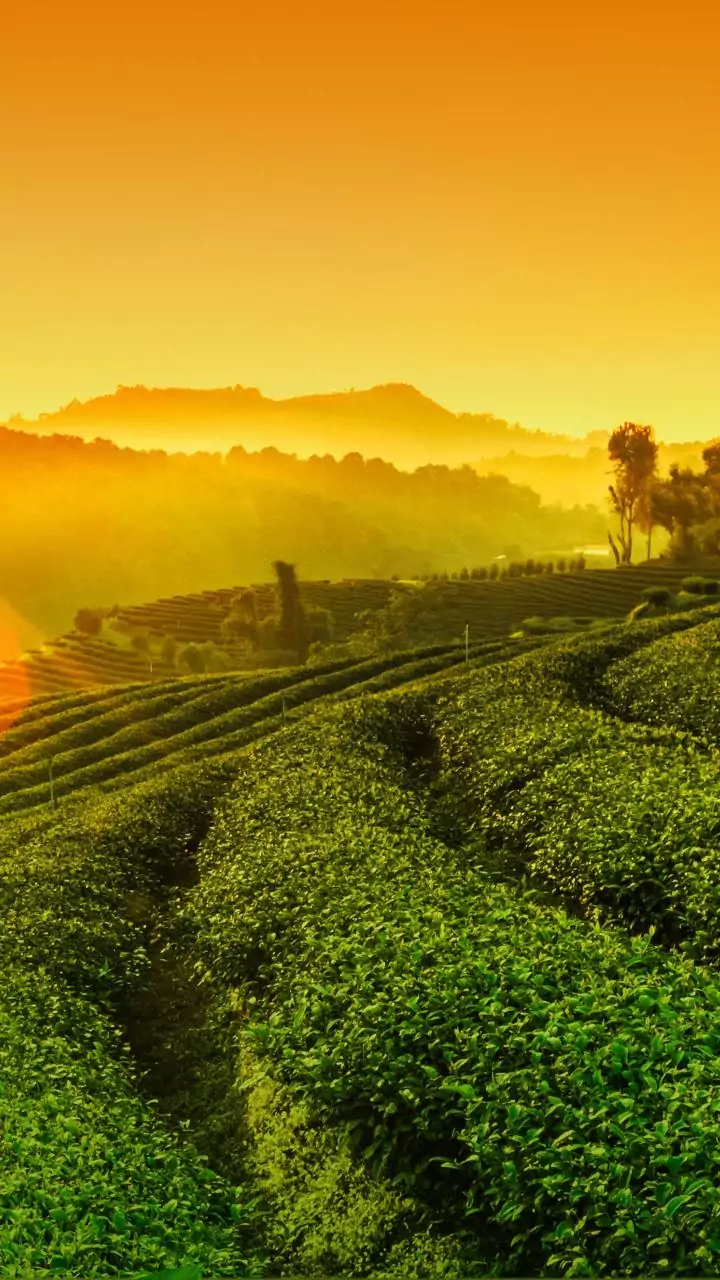
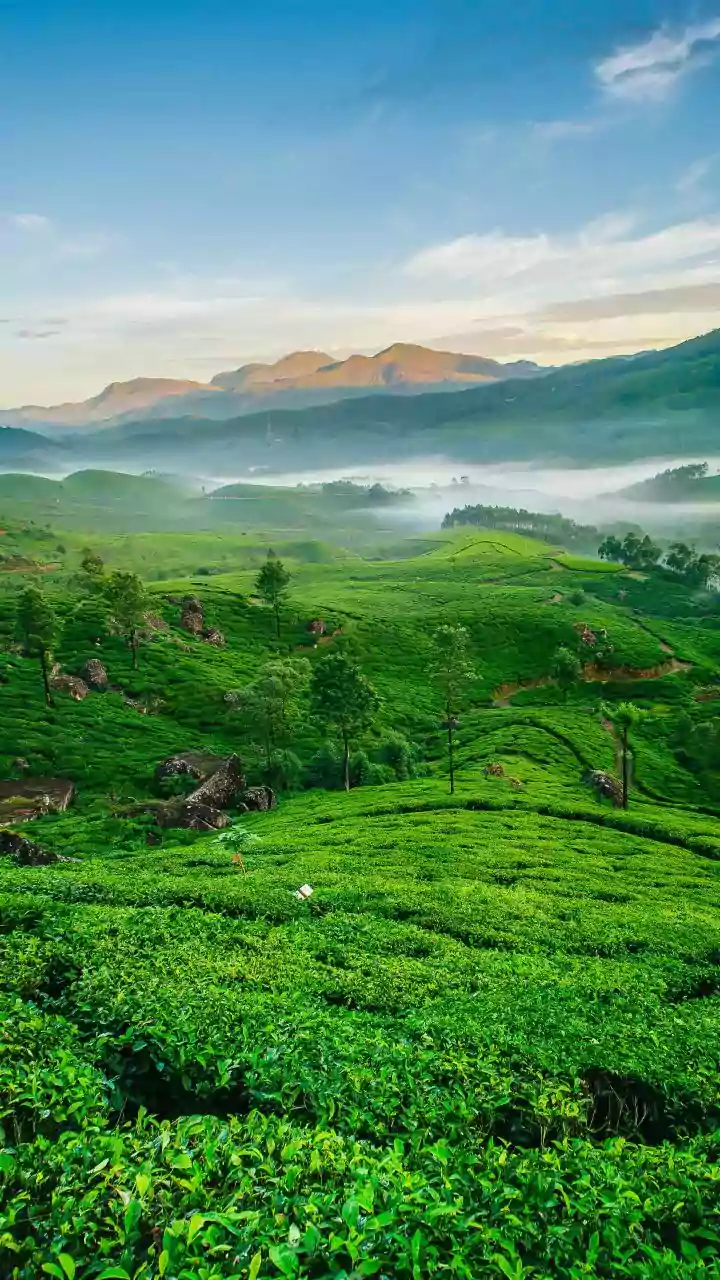
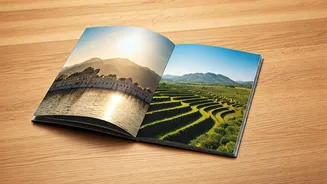
The trend is being fueled by social media, but not in the way you’d think. Instead of filtered infinity pools, the “monsoon mood board” aesthetic celebrates something more soulful. Think of images showcasing the dramatic, cloud-filled skies over a Rajasthani fort, the emerald-green glow of tea plantations in Munnar shrouded in mist, or the simple pleasure of watching rain fall on the tranquil backwaters of Kerala from the deck of a houseboat. It’s a vision of India that feels more poetic and less transactional. This visual narrative speaks directly to travelers seeking experiences rather than just sights. They see a country washed clean, its colors deepened and its sounds muffled by the steady rhythm of the rain. It’s an invitation to slow down, read a book in a cozy cafe, and experience the land as the locals do during this transformative season.
Where to Go: Monsoon Hotspots
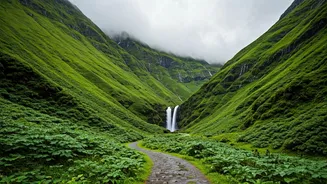
Not all of India is equally suited for monsoon travel. The key is to pick your region wisely. Kerala, in the south, is perhaps the quintessential monsoon destination. The state’s famous backwaters, a network of lakes and canals, come alive, and it’s a prime time for Ayurvedic treatments, which are said to be more effective in the moist, cool air. Further north, the desert state of Rajasthan offers a surprising delight. The arid landscape gets a rare, fleeting coat of green, lakes fill up, and exploring cities like Udaipur and Jaipur with their rain-washed palaces and fewer tourists feels magical. For trekkers and nature lovers, the Western Ghats (a mountain range running parallel to the western coast) are a paradise of waterfalls and blooming flora. However, it's crucial to avoid areas prone to major flooding or landslides, particularly in certain Himalayan regions.
The Practical Reality Check
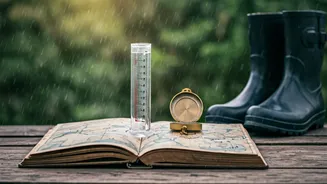
While romantic, a monsoon trip requires preparation and a flexible mindset. The rain isn't just a gentle drizzle; it can be a relentless, days-long downpour. This can and does lead to travel delays. Flights might be postponed, trains can run late, and rural roads, especially in mountainous areas, can become impassable. High humidity is a constant, so breathable, quick-drying fabrics are your best friend. Health is another consideration. The wet conditions are a breeding ground for mosquitoes, making insect repellent and taking precautions against mosquito-borne illnesses like dengue fever non-negotiable. Waterproofing is essential, not just for yourself but for your electronics and documents. A good waterproof backpack or a dry bag can be a trip-saver. The successful monsoon traveler embraces the unpredictability, viewing a rained-out afternoon not as a wasted day, but as a perfect excuse to find a local spot for tea and samosas.