






So, What Is Preventive Fitness?
At its core, preventive fitness is a strategic shift in perspective. For years, mainstream fitness culture revolved around reactive goals: lose 10 pounds for a wedding, get abs for the summer, or start exercising after a scary doctor's visit. Preventive
fitness flips the script. It’s the practice of training today to prevent injury, illness, and a decline in quality of life tomorrow. Think of it as investing in your 'physical 401(k).' Instead of focusing solely on aesthetic or short-term performance goals, the priority is building a foundation of strength, stability, and mobility that will pay dividends for years. It's less about the intensity of a single workout and more about the consistency of intelligent movement. This approach isn't chasing a fleeting 'beach body'; it's cultivating a resilient, capable body that can handle daily life—from carrying groceries without back pain to playing with grandkids on the floor—with ease and energy.
Why the Sudden Shift?
Several cultural currents have converged to create this wellness mood. The global pandemic was a powerful, collective reminder of our physical vulnerability, pushing health from a background concern to a foreground priority. Suddenly, concepts like metabolic health and immune function entered everyday conversation. Simultaneously, the rise of wearable technology like the Oura Ring and Whoop strap has given millions of people access to personalized data about their sleep, recovery, and stress levels. We can now see, in real-time, how a poor night's sleep or a stressful day impacts our physical readiness. This bio-feedback loop encourages smarter, more restorative choices over simply 'pushing through the pain.' Add to this the growing influence of longevity experts and doctors on social media, who champion 'healthspan' (the years of healthy life) over just lifespan, and you have the perfect recipe for a proactive health revolution.
The Building Blocks of Prevention
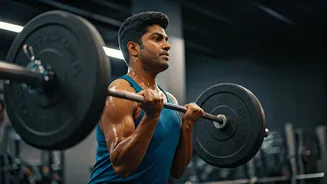
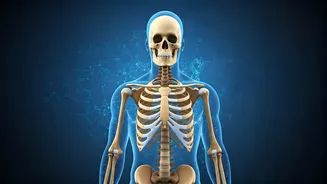
So what does a preventive fitness routine actually look like? It's often less glamorous than a high-intensity interval training class but far more foundational. Key components include: **Mobility and Stability:** This isn't just stretching. It's dedicated work on improving your joints' range of motion and strengthening the small stabilizing muscles that prevent common injuries. Think hip mobility drills, ankle stability exercises, and core work that goes beyond crunches. **Strength Training for Longevity:** Lifting weights isn't just for bodybuilders. It’s a crucial tool for building and maintaining muscle mass, which is vital for metabolic health, and for increasing bone density, which helps prevent osteoporosis and fractures later in life. **Zone 2 Cardio:** While sprints have their place, the new focus is on steady-state, low-intensity cardio (the 'talk test' pace). This type of exercise is exceptionally good at improving mitochondrial function and metabolic health, building an efficient engine for your body without causing excessive stress.
It's a Mindset, Not Just a Workout
Perhaps the biggest change is psychological. Preventive fitness asks us to trade the short-term thrill of exhaustion for the long-term satisfaction of consistency. It reframes rest and recovery not as lazy, but as a critical part of the process. It values feeling good and being capable over looking a certain way or hitting a specific number on a scale. This approach is inherently more sustainable and forgiving. Miss a workout? That’s fine. The goal isn't perfection; it's a consistent, long-term commitment to your own well-being. It’s about listening to your body, honoring its needs with data-informed choices, and playing the long game. This isn't just a fleeting trend; it’s a more mature, holistic, and ultimately more rewarding way to think about moving our bodies.