








The Science of the Slump
That sleepy, sluggish state has a scientific name: postprandial somnolence. While researchers are still mapping out the exact mechanisms, the leading theory points to a few key players. When you eat a meal heavy in refined carbohydrates (think white bread,
pasta, or sugary sodas), your body experiences a rapid spike in blood sugar. To manage this, your pancreas releases a flood of insulin. This hormonal surge does its job, but often too well, leading to a subsequent blood sugar “crash” that leaves you feeling drained and foggy. Furthermore, insulin helps the amino acid tryptophan cross the blood-brain barrier. In the brain, tryptophan is converted to serotonin, a neurotransmitter that promotes feelings of calm and sleepiness. A large, heavy meal also redirects significant blood flow to your digestive system to process the food, leaving less for your brain and contributing to that feeling of mental fatigue.
Why Vegetables Are Your Secret Weapon
This is where a veggie-heavy lunch changes the game. Vegetables are packed with dietary fiber, which is your number one defense against the blood sugar rollercoaster. Fiber slows down digestion and the absorption of sugars into the bloodstream, preventing the dramatic spike-and-crash cycle. Instead of a quick, unsustainable burst of energy, you get a steady, slow release that keeps you feeling alert and stable throughout the afternoon. Vegetables are also complex carbohydrates, providing fuel without the metabolic whiplash of their refined cousins. Beyond fiber, they are rich in water, which aids hydration (even mild dehydration can cause fatigue), and loaded with vitamins and minerals essential for energy production. A lunch built around vegetables provides high-volume, nutrient-dense fuel that satisfies you without weighing you down, freeing up your body’s resources to power your brain instead of just your gut.
Building a Crash-Proof Lunch
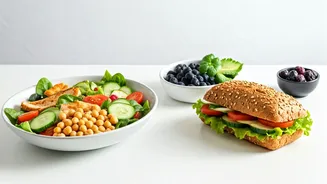
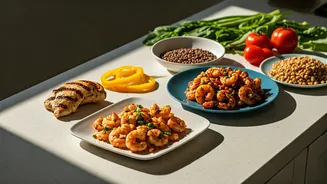
So, what does a “veggie-heavy” meal actually look like? It’s simpler than you think and doesn’t just mean a sad desk salad. A great rule of thumb is the “plate method”: aim to fill half your plate with non-starchy vegetables. The other half can be split between a source of lean protein (chicken, fish, tofu, beans) and a high-fiber complex carb (quinoa, brown rice, sweet potato). Think of a vibrant grain bowl topped with roasted broccoli, bell peppers, and chickpeas. Imagine a hearty lentil soup brimming with carrots, celery, and spinach. Consider a large salad, but make it exciting with grilled chicken, avocado, nuts, seeds, and a light vinaigrette. Even a sandwich can be upgraded by swapping white bread for whole grain and piling it high with lettuce, tomato, cucumber, and sprouts. The goal is to make vegetables the star of the show, not a forgotten side.
The Usual Suspects of Sleepiness
To win the war against the food coma, it’s just as important to know what to limit as it is to know what to add. The primary culprits are foods that send your blood sugar on a wild ride. Be mindful of large portions of refined grains like white pasta, pizza dough, and white rice. Sugary drinks, including sodas and many fruit juices, are essentially liquid candy that guarantee an energy crash. While fat is a necessary nutrient, overly greasy or fried foods (like a heavy burger and fries) are incredibly demanding on your digestive system. Processing these meals requires a massive amount of energy, leaving you feeling lethargic and bloated. You don’t have to eliminate these foods entirely, but saving them for dinner or weekends, when a little post-meal relaxation is welcome, can make a world of difference for your weekday productivity.