



The Burnout from the Grind
Remember the peak of high-intensity interval training (HIIT)? Every workout was a race against the clock, a battle to push your heart rate to its absolute max. The fitness landscape was dominated by a culture of 'the grind'—CrossFit boxes where puking
was a badge of honor, spin classes that felt like spiritual warfare, and Instagram feeds filled with shredded physiques and captions about having 'no excuses.' This was the era of extreme workout drama, where exercise became a performance of toughness, a competition not just with others, but with your own physical limits. For many, this approach worked, delivering rapid results and a powerful sense of accomplishment. But for countless others, it led to injury, exhaustion, and a feeling of failure. The pressure to be constantly optimizing, to never take a day off, created a toxic relationship with movement. Instead of a source of joy and stress relief, exercise became just another high-pressure task on an endless to-do list. The drama of it all—the yelling instructors, the competitive leaderboards, the implicit demand for peak performance every single time—was simply unsustainable.
Enter the Great Outdoors
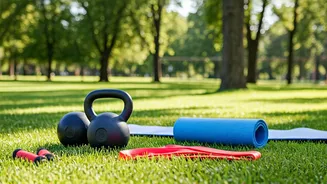
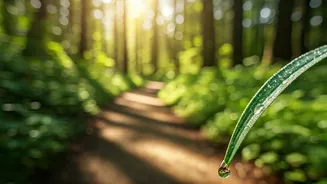
In place of fluorescent gym lights and thumping bass, a different kind of fitness scene is flourishing. It’s happening on dusty trails, in quiet parks, and along suburban sidewalks. This growing outdoor movement isn't about maximizing calorie burn or achieving a certain body fat percentage. It’s about reconnecting with nature, finding joy in movement, and prioritizing mental clarity over muscle strain. Instead of a 45-minute HIIT class, people are choosing a 90-minute hike. Instead of complex Olympic lifts, they’re 'rucking'—walking with a weighted backpack, an activity with military roots that has become a surprisingly popular, low-impact way to build strength and endurance. The ethos is different. The goal isn’t to crush your body; it’s to nourish your mind and soul while gently challenging your physical self. This shift represents a rejection of the idea that for exercise to 'count,' it must be painful, punishing, or performed in a specific, monetized setting.
A Pivot to Mental Wellness
Perhaps the biggest driver of this trend is the collective realization that fitness is inextricably linked to mental health. The 'extreme workout' era often framed exercise as a way to punish your body into submission. The outdoor movement frames it as an act of self-care. Studies have repeatedly shown that spending time in nature—a practice known as 'forest bathing' or 'ecotherapy'—can reduce stress, lower cortisol levels, and improve mood. Walking on uneven terrain requires focus and presence, pulling you out of the anxious loop of daily worries and into the moment. The sensory experience—the smell of pine, the sound of birds, the feeling of a breeze—is a natural form of mindfulness. In a world of constant digital overstimulation, an hour spent walking without headphones can feel more restorative than the most scientifically engineered recovery shake. It’s a quiet protest against the noise, both internal and external, that defines so much of modern life.
Community Without the Competition
While extreme fitness often fosters a sense of community, it can be one built on rivalry and comparison. The outdoor movement offers a more inclusive, less intimidating alternative. Hiking groups, rucking clubs, and local walking meetups are popping up across the country, built on a foundation of shared experience rather than shared suffering. You can chat with a friend on a long walk in a way you simply can't during a set of burpees. Concepts like 'soft hiking' and 'cozy cardio' have gained traction on social media, celebrating slow paces, frequent breaks, and the simple pleasure of being outside. This approach removes the barriers to entry that keep so many people away from traditional fitness. You don’t need expensive gear, a specific skill set, or a certain level of athletic ability to go for a walk in a park. This accessibility is creating a more diverse, welcoming, and ultimately more durable fitness culture—one where the only thing you have to beat is the urge to stay on the couch.