



The Coastal Wisdom of Cooling
When the heat is relentless and humidity hangs heavy in the air, the last thing you want is a heavy, heat-inducing meal. This is a reality that the inhabitants of India’s Malabar and Konkan coasts have navigated for centuries. Their culinary response
is a masterclass in climate-appropriate eating. The secret isn't just about avoiding hot spices—though that’s part of it—but about embracing ingredients with naturally cooling properties. Coconuts, yogurt, buttermilk, kokum (a sour fruit), and water-rich vegetables like cucumber and ash gourd are the heroes of this cuisine. These ingredients are often combined in light, hydrating dishes that are not only refreshing but also aid digestion, a system that can become sluggish in extreme heat. This approach, often rooted in Ayurvedic principles of balancing body temperature through diet, is now finding a global audience seeking smarter ways to handle the heat.
Solkadhi: The Konkan's Pink Elixir
If there is one drink that defines the Konkan region—a coastal strip running from Maharashtra to Goa—it’s solkadhi. This beautiful, pale-pink beverage is the ultimate meal-ender, served as a digestive and a coolant. Its primary ingredient is kokum, a sour, dark-purple fruit from the mangosteen family. The dried rind is soaked in water to create a tart extract, which is then blended with fresh, creamy coconut milk. A hint of chili, garlic, or ginger adds a subtle, complex kick. The result is a tangy, slightly savory, and profoundly refreshing drink. Solkadhi is more than just a beverage; it’s a functional food. The kokum is prized for its ability to cut through rich, oily foods and soothe the stomach, making it the perfect antidote to a hearty seafood meal on a sweltering day.
Moru Curry: Kerala’s Yogurt Magic
Travel south to Kerala, and you'll find yogurt at the heart of the region's cooling strategy. Moru Curry, or Pulissery, is a testament to this. It’s a delicate, soupy curry made from spiced buttermilk or thinned yogurt. Unlike the rich, heavy curries many Americans associate with Indian food, this dish is light, fluid, and designed to be poured generously over rice. The yogurt is gently heated—never boiled, lest it curdle—with a fragrant blend of turmeric, green chilies, ginger, and curry leaves. Sometimes, it features chunks of cooling vegetables like ash gourd or cucumber. The probiotics in the yogurt and the hydrating nature of the dish make it a staple in Keralite homes, offering a comforting and cooling respite from the tropical heat.
Pachadi and Kichadi: The Essential Sides
No South Indian feast, or *sadhya*, is complete without a small serving of pachadi or kichadi. These are cooling yogurt-based raitas, but with more complexity than the simple cucumber raita familiar to many. A pachadi typically has a sweet-and-sour flavor profile, often incorporating fruit like pineapple or vegetables like beetroot, combined with yogurt and a ground coconut-mustard seed paste. Kichadi is its savory cousin, usually featuring a single vegetable like cucumber or bitter gourd in a simple yogurt base, finished with a tempering of mustard seeds and curry leaves. Served in small portions alongside the main meal, they act as a palate cleanser and a cooling counterpoint to spicier dishes, helping to balance the entire plate.
Beyond the Plate: Simple, Everyday Coolants
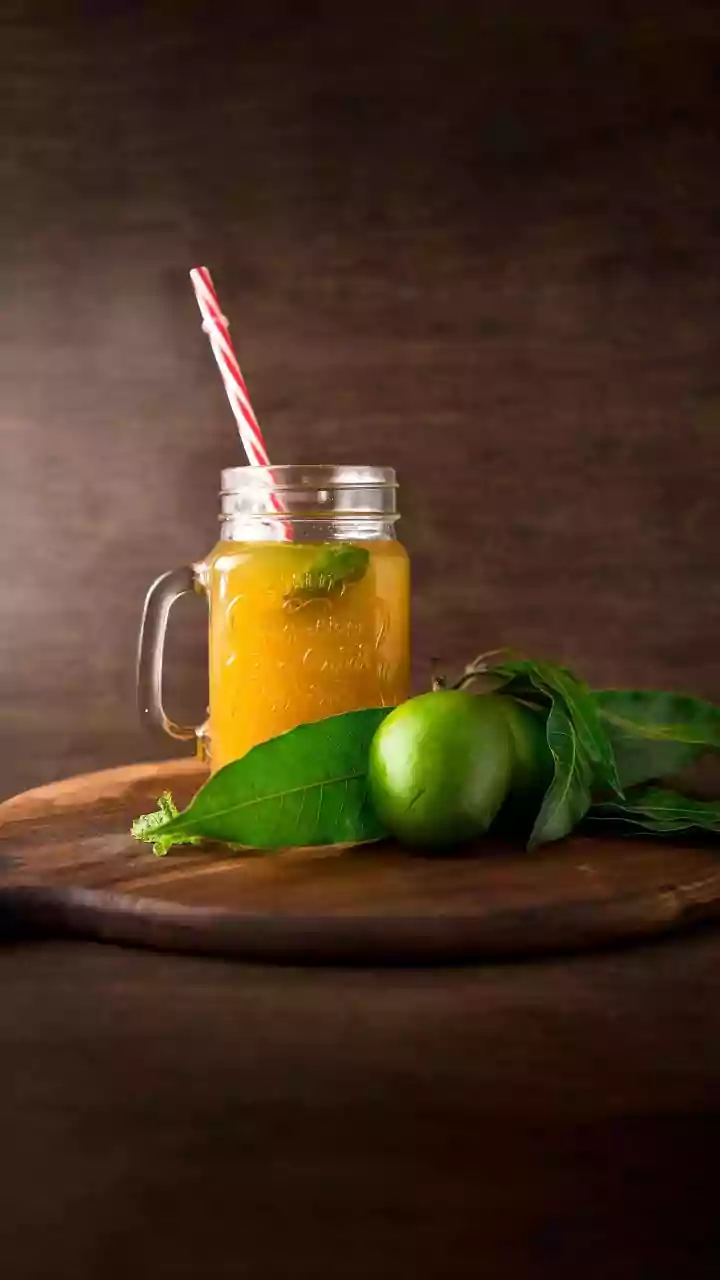
The wisdom of this coastal cuisine also lies in its simplicity. The most ubiquitous coolant is not a complex recipe but nature’s perfect hydrator: tender coconut water. Drunk straight from the source, it’s packed with electrolytes and is a fixture of daily life along the coast. Another simple strategy is the use of buttermilk, known as *sambharam* in Kerala, which is often lightly spiced with crushed ginger, green chili, and curry leaves. It’s a savory, refreshing drink offered to guests as a welcome from the heat. These everyday habits reinforce the core principle: the best way to deal with the climate is to work with it, using the bounty of the land to nourish and cool the body from within.