



Defining “Presentation Energy”
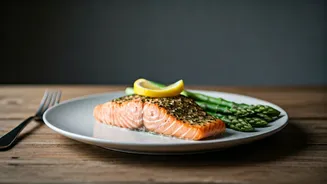
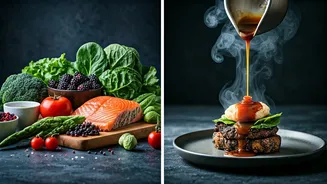
So, what exactly is “presentation energy”? It’s not about Michelin-star tweezer placements or elaborate foams. Instead, it’s the conscious, deliberate effort to make simple, everyday food look and feel special. Think of the artful swirl of Greek yogurt
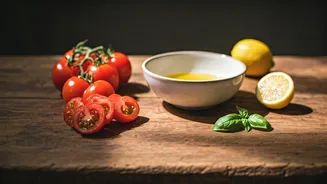
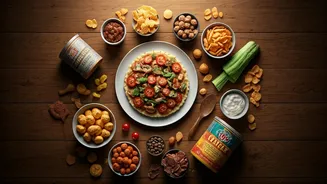
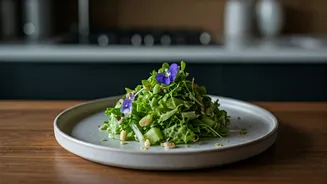
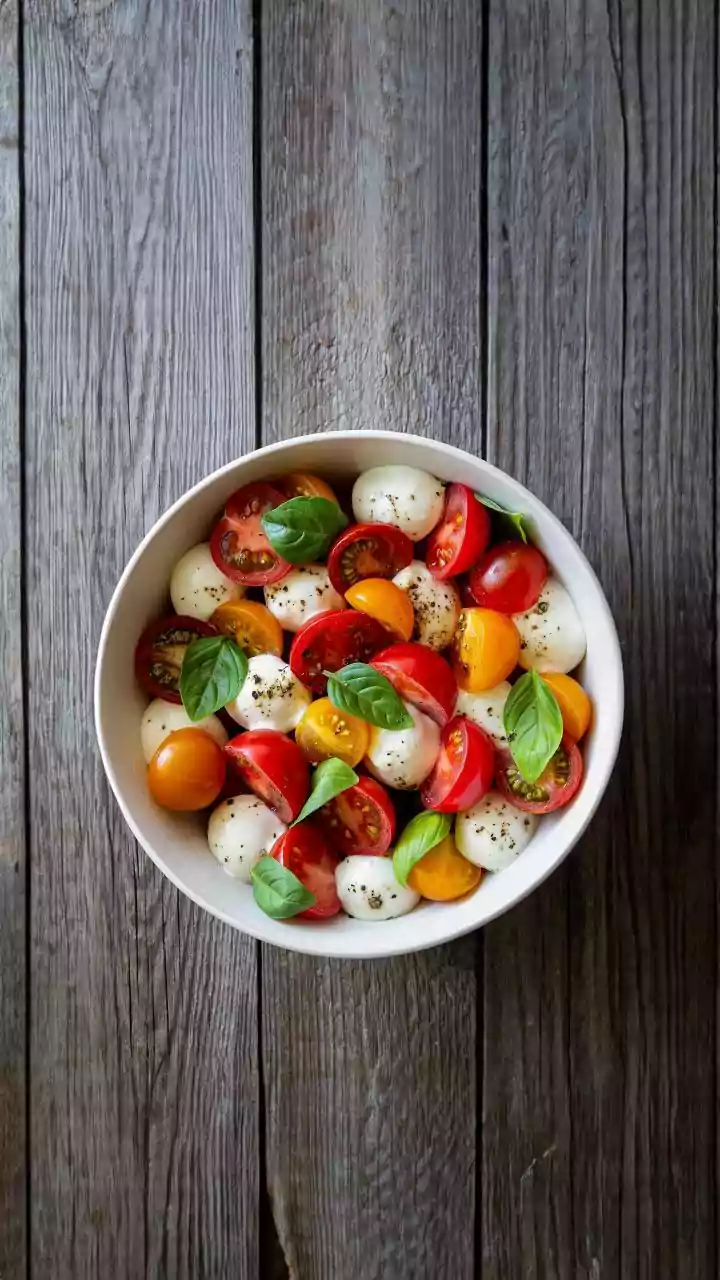
in a bowl, topped with a thoughtful arrangement of berries and a sprinkle of granola. It’s the perfect drizzle of high-quality olive oil and a shower of flaky sea salt over a can of beans. It's choosing the nice ceramic plate for your solo Tuesday night pasta instead of eating it from the pot. This energy is less about professional technique and more about intentionality. It’s the aesthetic equivalent of mindfulness, transforming a mundane act of eating into a small, personal ceremony. It values texture, color, and composition, even when the ingredients themselves are as basic as bread, butter, and radishes. It's the silent acknowledgment that how we present our food affects how we experience it.
The TikTok and Instagram Effect
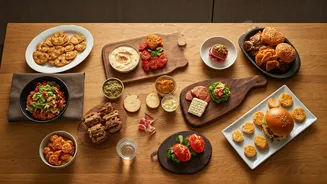
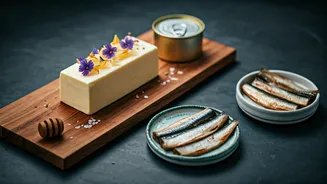
It’s impossible to talk about this trend without acknowledging its biggest stage: social media. Platforms like TikTok and Instagram have become incubators for visual food moments. Trends like “butter boards”—communal platters of softened butter swirled artfully and topped with everything from figs to hot honey—perfectly encapsulate this ethos. It’s simple, it’s communal, and its primary appeal is visual. The much-debated “girl dinner” trend is another key example. At its core, it’s a meal of simple, low-effort components: a bit of cheese, some crackers, a handful of olives, maybe a sliced apple. But when arranged on a plate or small board, this collection of snacks is transformed. It becomes a curated, aesthetically pleasing meal that feels both indulgent and effortless. Social media doesn't just reflect this trend; it accelerates it, providing an endless stream of inspiration for turning the contents of your fridge into something beautiful.
A Search for Control and Comfort
Why now? Why this sudden focus on beautifying the basics? The answer likely lies in our collective psyche. In a world that often feels chaotic and overwhelming, controlling the little things can be a powerful form of self-care. Arranging a pretty plate of food is a small, achievable act of creation. It costs very little, requires no special skills, and provides an immediate, tangible reward. It’s a pocket of order and beauty in a day that may have neither. This is also a post-pandemic phenomenon. After years of lockdowns where home cooking became a necessity, many of us are seeking ways to find joy in the domestic routine without adding complexity. We’re not necessarily trying to master sourdough anymore. Instead, we’re finding satisfaction in making the simple things we eat every day just a little bit better, a little more special. It’s an affordable luxury, a way to treat yourself without a reservation or a hefty bill.
The New Anti-Foodie Stance
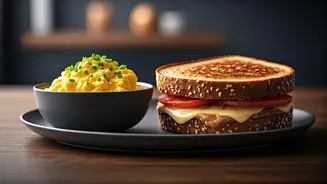
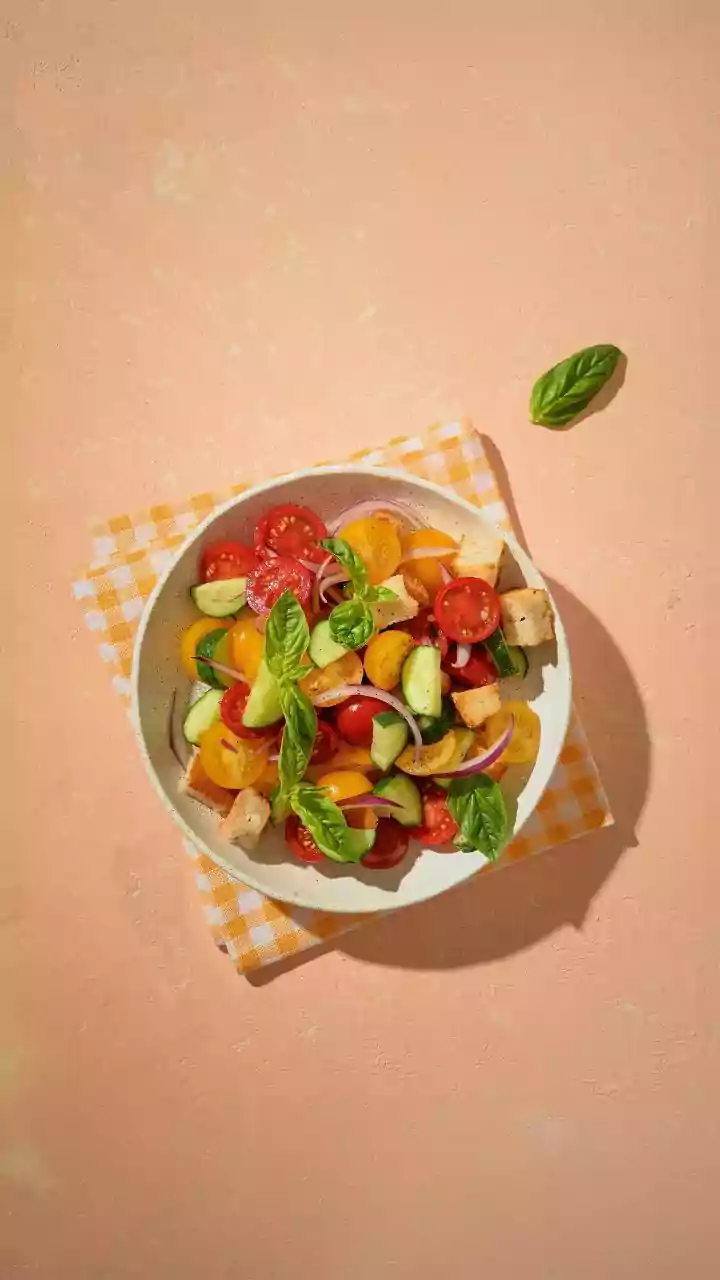
In a way, this trend is a quiet rebellion against two opposing forces: the blandness of ultra-processed convenience food and the gatekeeping of high-end “foodie” culture. For years, the food world has been dominated by complex recipes, hard-to-find ingredients, and a pressure to perform culinary gymnastics. Giving a perfect tomato on toast the star treatment is an act of defiance. It says that good food doesn't have to be complicated or expensive. It champions the idea that quality ingredients, simply prepared and thoughtfully presented, are enough. This movement democratizes good taste. You don’t need a culinary degree to make a bowl of yogurt look nice, and you don’t need a trust fund to buy a nice block of cheese and some good bread. It’s a return to fundamentals, but with a modern, aesthetic-driven appreciation for the final product.