


The Small-Space, Big-Rain Problem
For apartment dwellers and homeowners with limited outdoor space, a balcony is a precious patch of potential green. It’s a place for a morning coffee, an evening read, and, ideally, a container garden brimming with fresh herbs. But this dream hits a snag
when the skies open up. Rainy seasons can turn a promising garden into a waterlogged graveyard. Flat surfaces collect water, and traditional pots without excellent drainage quickly become saturated. The result is root rot, a silent killer that suffocates plants from below, turning vibrant basil and fragrant mint into yellowed, wilting disappointments. Add to this the challenge of limited square footage, and it can feel like you have to choose between having plants and having space to sit.
Why Going Vertical Is a Game-Changer
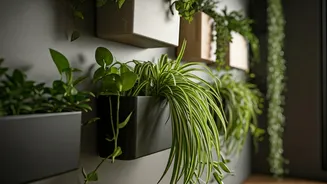
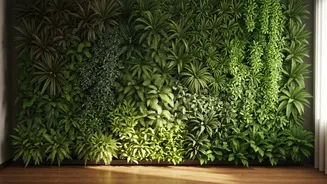
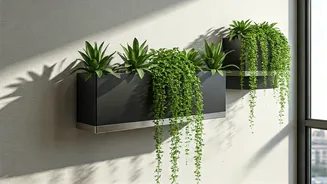
The most underutilized real estate on any balcony isn’t the floor—it’s the walls. Vertical gardening is the ultimate space-saving hack, allowing you to multiply your growing area without sacrificing a single inch of precious floor space. By mounting pots on a wall or trellis, you transform a flat, blank surface into a productive, living pantry. This upward expansion not only lets you grow more in less space but also improves air circulation around your plants, which is crucial for preventing fungal diseases that thrive in damp, stagnant conditions. It also brings your garden up to eye level, making tending and harvesting easier and more enjoyable. Instead of a few pots clustered in a corner, you get a beautiful, functional wall of green.
The Magic of Terracotta
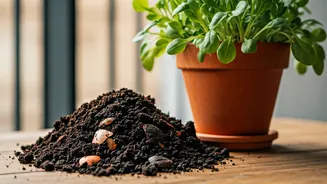
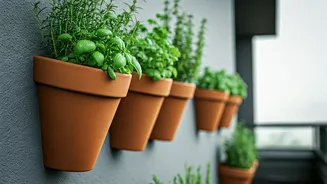
Not all pots are created equal, especially when dealing with excess moisture. While plastic and glazed ceramic containers are non-porous and trap water, terracotta is a gardener’s best friend in wet climates. Made from natural, unglazed clay, terracotta is porous. This means the pot itself can breathe. When the soil inside is oversaturated after a downpour, the pot walls absorb excess water and allow it to evaporate from the outer surface. This wicking action is a natural defense against root rot, creating a more stable and forgiving environment for your herbs' delicate root systems. In a rainy season, a terracotta pot acts like a gentle regulator, pulling moisture away from the roots when there’s too much, and keeping them from sitting in stagnant water.
Setting Up Your Vertical Herb Wall
Creating your vertical terracotta garden is a straightforward weekend project. First, select your pots. Look for wall-mounted terracotta planters, which often have a flat back and a pre-drilled hole for hanging. Ensure they have a drainage hole at the bottom. Next, choose your location and secure your mounting system. A sturdy trellis, a wooden pallet repurposed and hung securely, or individual heavy-duty hooks drilled into the wall will all work. When planting, use a high-quality, well-draining potting mix. You can improve drainage further by adding perlite or coarse sand. Don't compact the soil too tightly; keep it light and airy to help the roots breathe. Once your pots are planted, hang them on your vertical structure, and water them in.
Choosing the Right Herbs
While this setup dramatically improves conditions, some herbs are naturally more suited to it than others. Moisture-loving herbs will thrive. Think mint, parsley, chives, and even certain types of basil that appreciate consistent moisture as long as drainage is good. These plants will flourish in a vertical terracotta system. For herbs that prefer drier conditions, like rosemary, thyme, and lavender, you might place them at the top of your vertical garden where they’ll dry out faster. You should also use a grittier soil mix for these Mediterranean natives. Grouping herbs with similar water needs together will make maintenance even easier and ensure every plant on your wall has the best possible chance to thrive.