




The ‘TV Dinner’ Hangover
For decades, the phrase “ready-to-eat meal” conjured a specific, unappetizing image: a frozen, sectioned plastic tray filled with over-salted mashed potatoes, rubbery vegetables, and a main course of questionable origin. These were foods of last resort,
synonymous with high sodium, unpronounceable preservatives, and a general sense of giving up on a real meal. The trust deficit was massive. Consumers associated these products not with convenience, but with a nutritional compromise. They were cheap and easy, but they felt like a step down from real food, packed with fillers and frozen for an eternity. This deep-seated skepticism became a huge hurdle for the food industry, creating a market where convenience was at odds with quality, health, and trust.
Transparency Is the New Main Ingredient
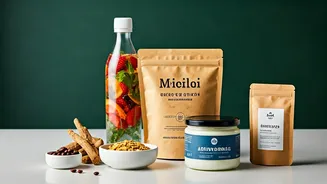
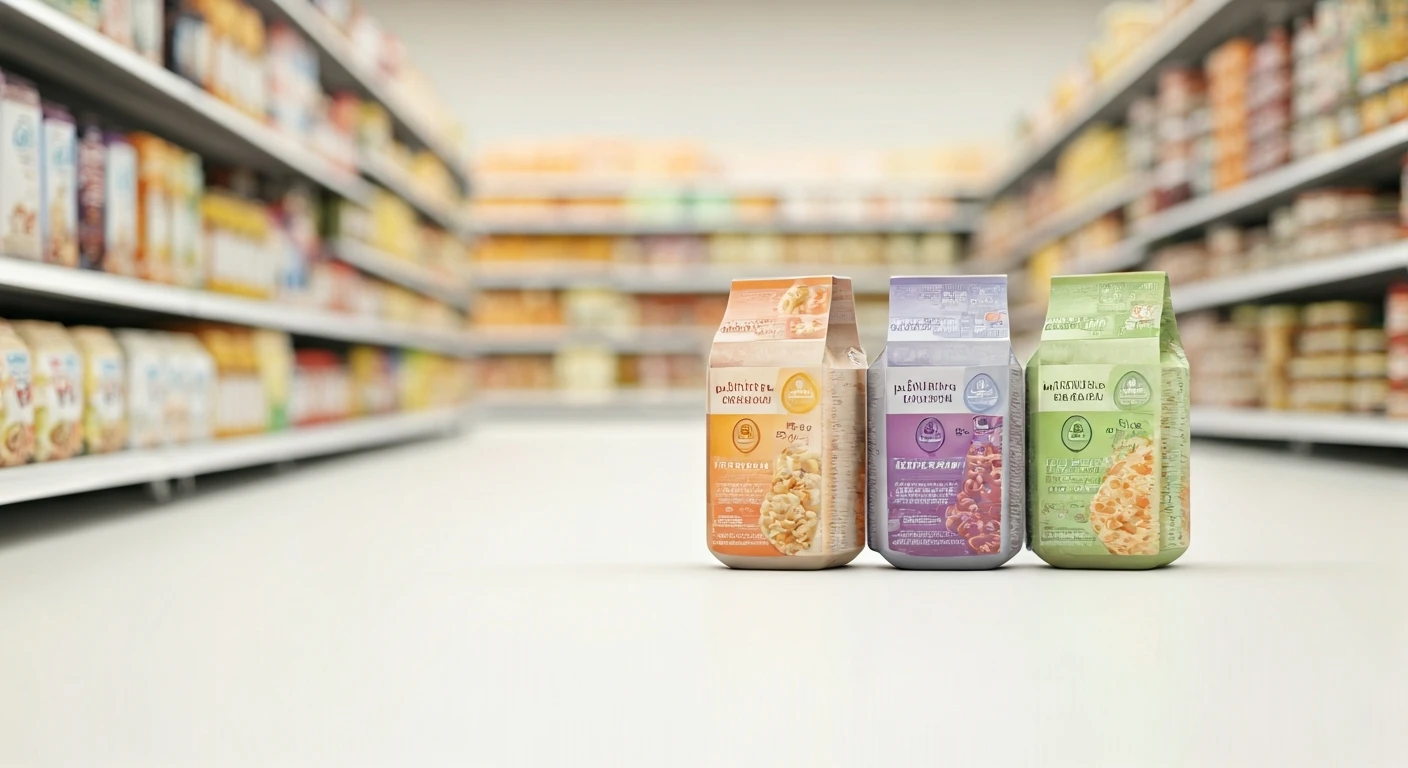
The trust makeover begins with a simple idea: transparency. Instead of hiding behind opaque packaging and cartoon mascots, a new generation of meal companies is leading with radical openness. Their websites and packaging read like a farm-to-table restaurant menu. You’ll find detailed information about ingredient sourcing, nutritional macros broken down to the gram, and a clear rejection of artificial preservatives, colors, and flavors. Many are built on a direct-to-consumer subscription model, which allows them to control the narrative and build a relationship with customers. They use language centered on wellness and performance, not just convenience. Terms like “chef-crafted,” “grass-fed,” “non-GMO,” and “organic” aren’t just buzzwords; they are the foundation of their entire brand identity, designed to signal a clean break from the processed foods of the past.
Catering to the Modern Diet
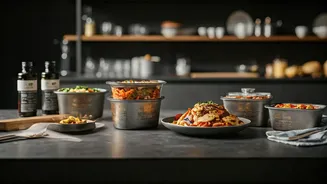
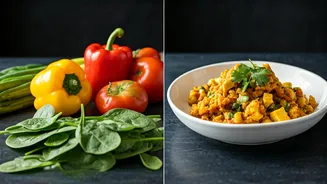
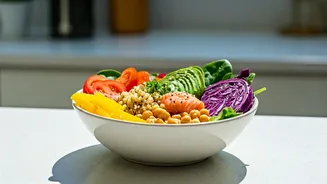
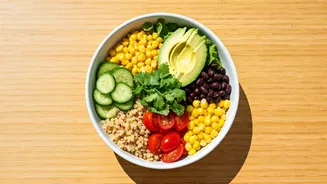
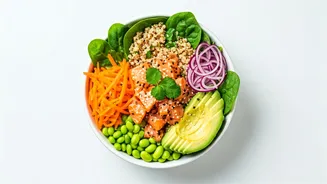
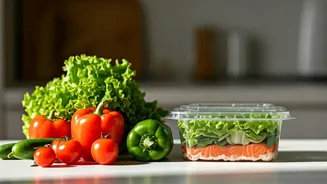
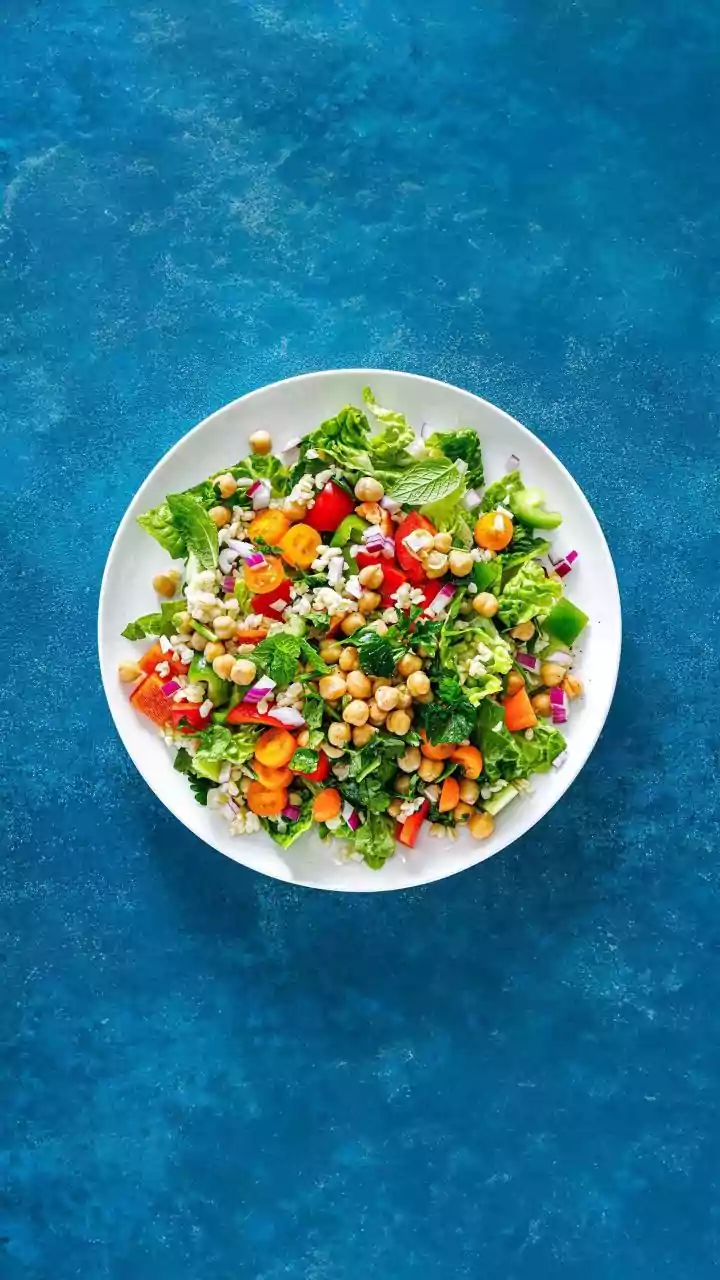
Another key part of the makeover is customization. The one-size-fits-all TV dinner has been replaced by a menu that caters to nearly every modern dietary tribe. Companies like Factor, CookUnity, and Freshly have built their businesses by offering specific meal plans for keto, paleo, vegan, low-carb, and high-protein lifestyles. This isn't just a marketing gimmick; it's a strategic move that builds immediate trust with specific consumer groups. If you're on a strict keto diet, seeing a meal explicitly designed to meet your macros provides instant reassurance. Furthermore, many of these new offerings are delivered fresh, not frozen. This simple shift fundamentally changes the perception of quality. A refrigerated container holding a vibrant grain bowl with fresh vegetables just feels more trustworthy and wholesome than a rock-hard frozen brick you have to chip out of a cardboard box.
How to Be a Savvy Consumer
While this new landscape offers exciting options, marketing is still marketing. “Healthy” is a relative term, and even these improved meals require a discerning eye. The first place to look is the sodium content; it’s a classic hiding spot for flavor in prepared foods, and even healthier-looking options can pack a salty punch. Next, check the sugar, especially in sauces and dressings. Finally, look at the serving size and total calories to ensure it aligns with your personal health goals. The promise of these new meals is that all this information is readily available and easy to understand. The best companies aren't just selling you a meal; they're providing the data you need to make an informed choice. Use it.