


1. The Glorious Return of Millets
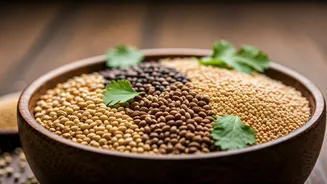
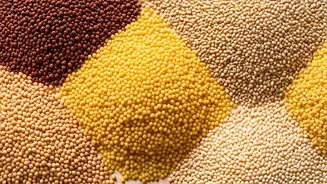
Step aside, quinoa. In India, the government's push for 2023 as the 'International Year of Millets' has supercharged a grassroots movement to bring these ancient grains back to the table. For Delhiites, this isn't just about dietary diversity; it's a gut
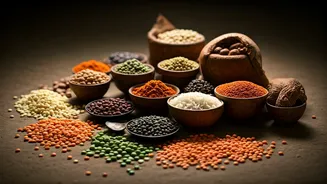
health strategy. Millets like bajra (pearl millet) and ragi (finger millet) are gluten-free, high in fiber, and packed with prebiotics that feed beneficial gut bacteria. Unlike highly processed wheat and rice, these hardy grains are known to improve digestion and stabilize blood sugar. In the bustling cafes of South Delhi and the kitchens of modern homes, you'll find millets in everything from breakfast porridges and dosas to contemporary grain bowls, reconnecting a new generation to the foods their grandparents ate.
2. Hyper-Local and Seasonal Eating
The farm-to-table concept isn't a novelty in India; it's a core tenet of Ayurveda, the country's ancient system of medicine. This principle is seeing a major resurgence in New Delhi, where urbanites are increasingly seeking out 'sabziwalas' (vegetable sellers) who stock seasonal, locally sourced produce. The philosophy is simple: eating foods that are naturally in season in your specific region provides the exact nutrients your body needs to cope with the climate, whether it’s hydrating cucumbers in the scorching summer or warming root vegetables in the winter. This practice supports 'agni,' the Ayurvedic concept of digestive fire, ensuring the body can efficiently process food without creating the toxins that lead to bloating, gas, and indigestion.
3. Fermentation Beyond the Usual Suspects
Probiotic-rich foods are a cornerstone of this wellness wave, but they look a little different from the staples of the American health-food aisle. One of the most celebrated is 'kanji,' a traditional fermented drink made from black carrots, beetroot, water, and mustard seeds. This tangy, probiotic powerhouse has been a household secret for generations and is now being rediscovered for its gut-healing properties. Similarly, the culture of homemade pickles ('achar') isn't just about adding a flavor kick to meals. When made traditionally through lacto-fermentation, these pickles become a rich source of live enzymes and beneficial bacteria, offering a delicious and deeply ingrained way to support digestive health daily.
4. Ayurveda 2.0: Simplified for Modern Life
Full-blown Ayurvedic cleanses can be intimidating, but a new, more accessible version is taking hold. Instead of rigid protocols, wellness-conscious residents are adopting simple Ayurvedic habits. This includes starting the day with warm water and lemon to stimulate digestion, eating the largest meal at midday when the 'digestive fire' is strongest, and avoiding ice-cold drinks that can extinguish it. Another key practice is incorporating the 'six tastes' (sweet, sour, salty, pungent, bitter, and astringent) into each meal to ensure satisfaction and proper nutrient assimilation. It's less about strict dogma and more about integrating mindful, time-tested principles into a busy urban lifestyle.
5. Spices as Everyday Medicine
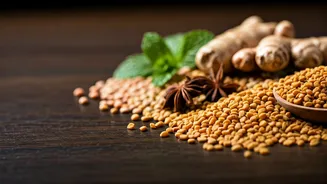
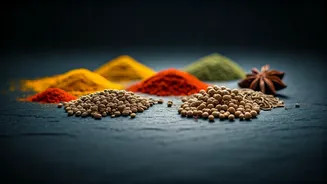
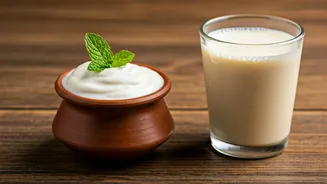
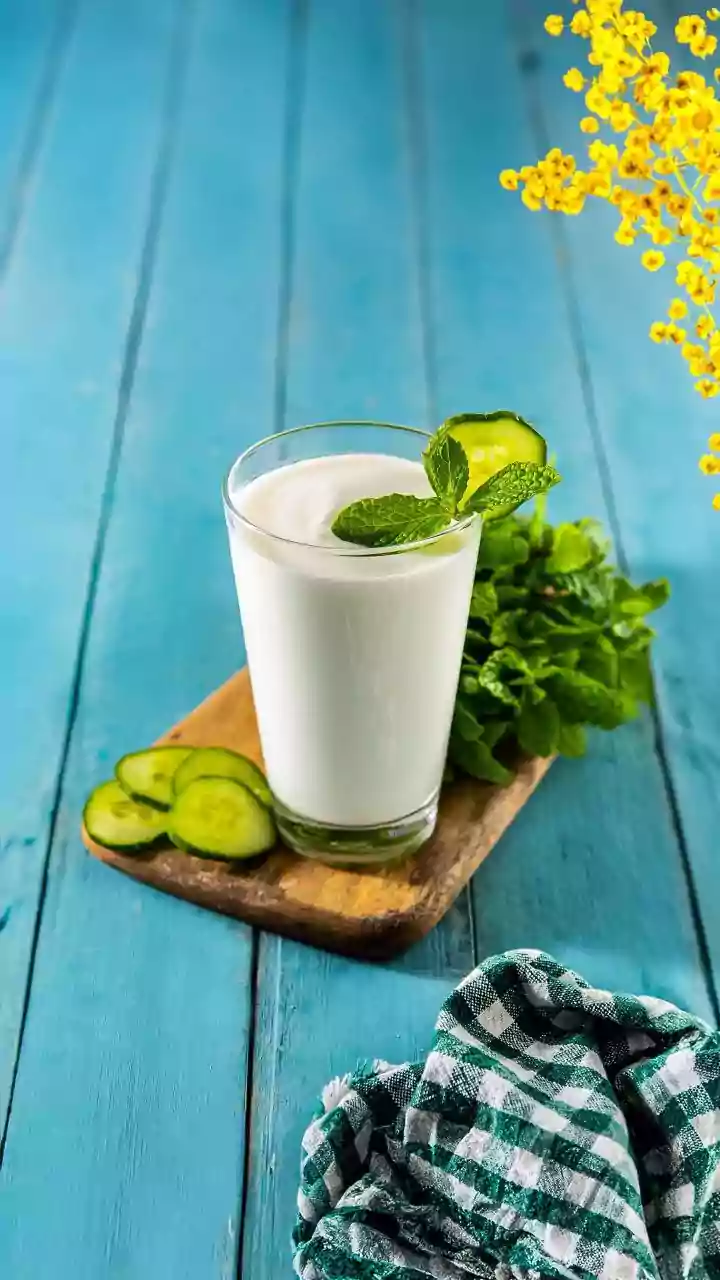
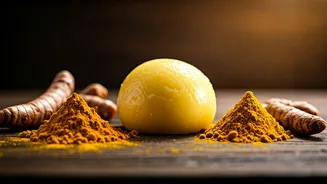
In Indian cooking, spices are never just for flavor; they are functional ingredients. This everyday wisdom is central to the digestive health movement. Turmeric is celebrated for its anti-inflammatory properties, which can soothe an irritated gut. Ginger is a go-to remedy for nausea and indigestion. Fennel seeds are routinely chewed after meals as a 'mukhwas' (mouth freshener) that also aids digestion and prevents gas. Cumin seeds are often toasted and added to yogurt or buttermilk to create a cooling, digestive-friendly drink called 'jeera chaas.' This approach treats the spice cabinet as a home pharmacy, turning every meal into an opportunity to support, soothe, and strengthen the digestive system from the inside out.