




Build a Power Pantry
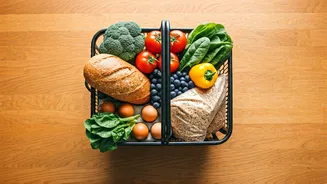
The foundation of budget-friendly eating isn’t found in the trendy superfoods aisle; it’s in the basics. A well-stocked pantry of non-perishable staples is your secret weapon against expensive takeout. Focus on versatile, nutrient-dense foods that last
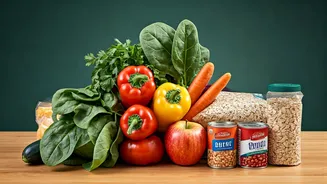
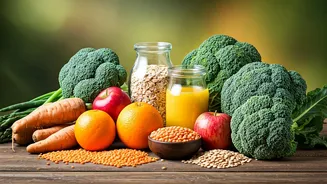
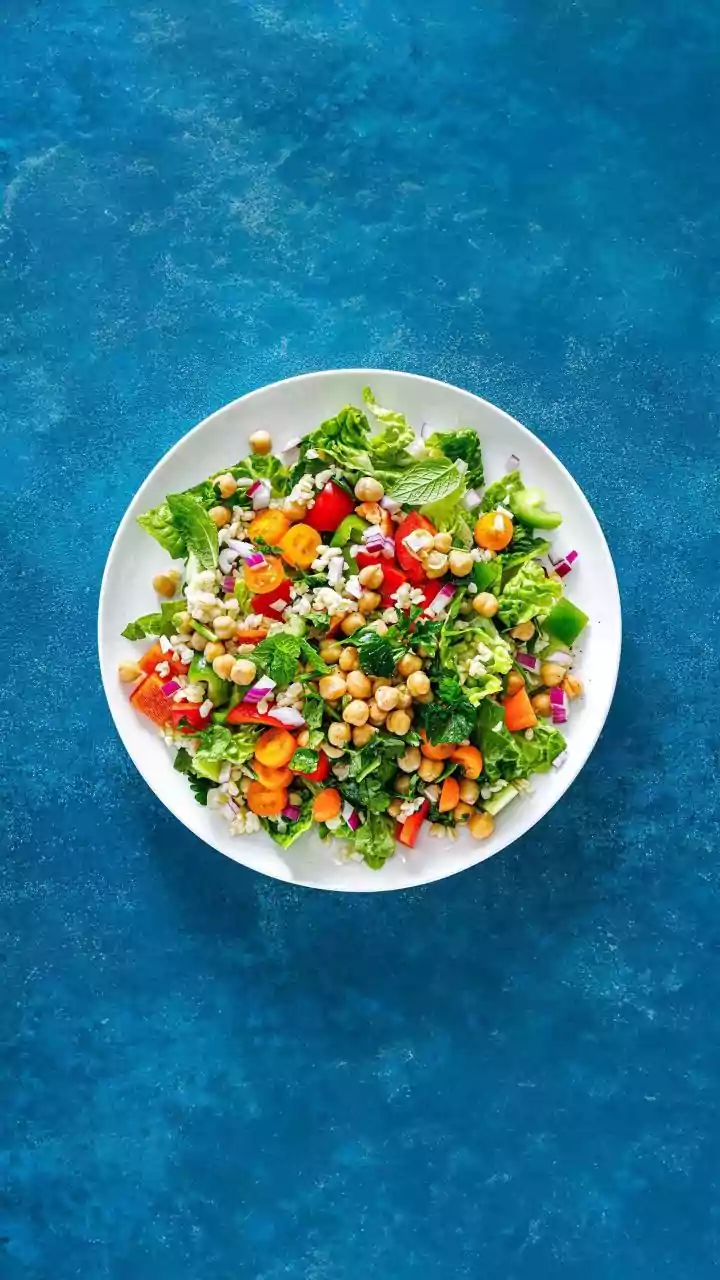
for weeks or months. Think big bags of brown rice, rolled oats, and whole-wheat pasta. Canned goods are your friends, especially black beans, chickpeas, and lentils. These items form the base of countless meals, from hearty soups and chilis to grain bowls and burritos. Buying them in larger quantities often drops the price-per-serving to mere cents, creating a food arsenal that’s ready whenever you are.
Embrace the Freezer Aisle
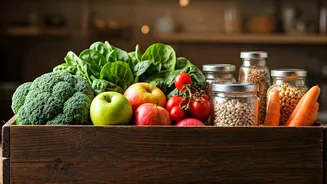
There’s a common misconception that “fresh is always best,” but the freezer section is a goldmine for budget-conscious students. Frozen fruits and vegetables are picked at their peak ripeness and flash-frozen, locking in vitamins and minerals. This means they are often just as nutritious—if not more so—than their fresh counterparts that have traveled for days to reach the store. They are also significantly cheaper and eliminate food waste, as you can use exactly what you need and save the rest. A bag of frozen spinach, berries for smoothies, or a mixed vegetable medley can transform a simple meal into a well-rounded one without the pressure of using it all before it spoils.
Plan Your Plate, Not Just Your Parties
Going to the grocery store without a plan is like walking into an exam without studying: it rarely ends well. Meal planning is the single most effective tool for controlling your food budget. It doesn't have to be a rigid, hour-by-hour schedule. Simply decide on three or four dinners you’ll make during the week. From there, create a specific shopping list of the ingredients you need. This practice prevents impulse buys, reduces the number of trips to the store, and ensures you use what you buy. You’ll be less tempted by that pricey snack or BOGO deal on something you don’t need when you have a clear mission.
Cook Once, Eat Thrice
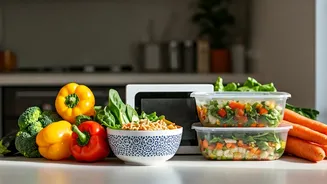
Your time is just as valuable as your money. Batch cooking, or making large portions of a meal to eat over several days, saves you on both fronts. Dedicate a few hours on a Sunday to prepare key components for the week. Roast a large tray of vegetables, cook a big pot of quinoa or chili, or grill a pack of chicken thighs. You can then mix and match these prepared ingredients to create different meals: a grain bowl on Monday, a chicken wrap on Tuesday, and a veggie-packed omelet on Wednesday. This strategy is the ultimate defense against the 7 p.m. “what’s for dinner?” panic that often leads to ordering expensive delivery.
Go Generic and Unseen
Brand loyalty can be costly. In most cases, the store or generic brand of a product is made in the same facility and with the same ingredients as the well-known name brand. The only real difference is the packaging and the price. Whether it’s canned tomatoes, peanut butter, whole-grain bread, or cheese, opting for the generic version can save you 20-40% on your total bill. Also, look for savings in the bulk bins. Items like nuts, seeds, grains, and spices are often cheaper when you can buy the exact amount you need, free from the cost of marketing and fancy containers.
Rethink Your Protein Sources
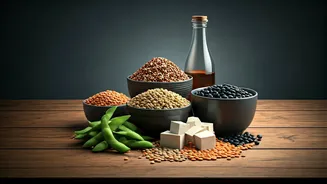
Protein is essential for keeping you full and focused, but it can also be the most expensive part of a meal. Diversify your sources beyond pricey cuts of meat. Plant-based proteins like lentils, chickpeas, and tofu are incredibly affordable and versatile. Eggs are another powerhouse, costing around 25 cents each while delivering high-quality protein and essential nutrients. When you do buy meat, opt for more economical cuts like chicken thighs instead of breasts, or buy ground meat in larger packages and freeze what you don’t use immediately.