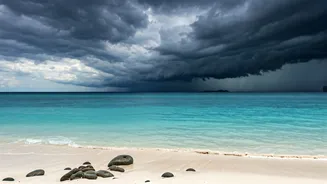







The Dream vs. The Reality
You’ve seen the pictures: powdery white sand stretching along Radhanagar Beach, elephants swimming in the sea, and vibrant coral reefs visible through glass-clear water. The Andaman and Nicobar Islands, a remote archipelago in the Bay of Bengal, are the stuff
of screen-saver fantasies. For American travelers looking for an exotic, off-the-grid escape, they represent a true final frontier of beach destinations. The allure is undeniable—a slice of Southeast Asian beauty with the familiarity of Indian infrastructure. But the dream of a perfect island-hopping adventure can quickly turn into a logistical nightmare if you ignore the single most important factor governing life here: the weather. Unlike a quick trip to the Caribbean where a passing shower is a minor inconvenience, the weather in the Andamans dictates everything.
Understanding the Tale of Two Monsoons
The key to planning a successful Andaman trip is understanding that the islands experience two distinct monsoon seasons, not just one. First is the main Southwest Monsoon, which typically runs from late May through September. This isn't just a bit of rain; it's a period of heavy downpours, high winds, and, most critically, rough seas. During these months, the ocean churns, making water-based activities difficult and inter-island travel unreliable. After a brief reprieve, the Northeast Monsoon arrives, generally lasting from October through December. While often less intense than its predecessor, it still brings unpredictable rain, cloudy skies, and choppy waters. Many travelers, accustomed to a simple 'wet' and 'dry' season model, get caught off guard during this second monsoon, expecting clear skies but finding their plans disrupted by persistent showers and high winds.
The Golden Window: January to April
For the quintessential Andaman experience, the sweet spot is from January through April. This is the dry season, the 'golden window' when the islands truly live up to the hype. During these months, the skies are generally clear and blue, the humidity is manageable, and the sea is calm and inviting. This is prime time for all the activities that draw people here. Scuba diving and snorkeling visibility can exceed 100 feet, revealing a dazzling world of coral and marine life. The calm waters mean that ferries—the primary mode of transport between Port Blair, Havelock (Swaraj Dweep), and Neil (Shaheed Dweep)—run on schedule. Beaches are sun-drenched and perfect for lounging. If your dream trip involves seamless island hopping and maximum beach time, this is the period to target. The trade-off, of course, is that this is also the peak tourist season, so expect higher prices and more company.
The Shoulder Season Gamble
Traveling during the 'shoulder' months of October, November, and December can feel like a gamble. You might get lucky with stretches of beautiful, sunny weather and enjoy the islands with fewer crowds and lower accommodation costs. However, you're rolling the dice against the Northeast Monsoon. A forecast that looks clear a week out can change rapidly. A multi-day storm can roll in, canceling the ferries that connect the islands. This is the crucial point: if your ferry from Havelock back to Port Blair is canceled due to bad weather, you could miss your flight home. This isn't a rare occurrence; it happens every year. Travelers booking during this period should build buffer days into their itineraries, especially at the end of the trip, to account for potential travel disruptions.
Why the Forecast Is Your Best Friend
In the Andamans, checking the weather isn't about deciding whether to pack a poncho; it's about whether your entire itinerary is feasible. Before and during your trip, monitor forecasts from reliable sources like the India Meteorological Department (IMD). Pay close attention to wind speed and sea condition warnings. If high winds are predicted, ferry operators will suspend services for safety. During the monsoon, many dive operators shut down or are severely limited by poor visibility and rough seas. Some remote beaches and attractions may also become inaccessible. Your 'forecast check' should inform your entire plan: book flexible accommodations, have backup activities in mind on your current island, and never, ever plan to take the last possible ferry to catch a flight.