




1. The Allure of Total Privacy
After the whirlwind of wedding planning and the social marathon of the big day, many couples crave one thing above all else: genuine seclusion. Traditional resorts, with their shared pools, bustling dining halls, and neighboring balconies, don't always
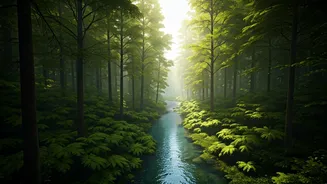
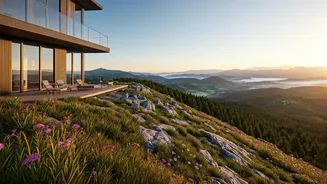
deliver. A remote cabin in the Catskills or a glass-walled chalet in the Blue Ridge Mountains offers a level of privacy that’s nearly impossible to find at a sprawling beach complex. Here, the only neighbors might be deer, and the only soundtrack is the wind in the trees. This desire for an intimate, uninterrupted bubble to decompress and connect is a primary driver sending couples toward the hills.
2. Adventure Becomes Part of the Romance
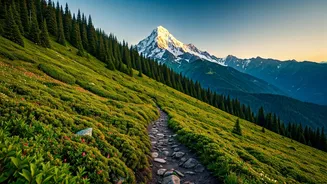
While “fly and flop” vacations have their place, many modern couples view their honeymoon as the first grand adventure of their marriage. Hill and mountain settings are natural springboards for shared experiences that build connection. It’s less about lying side-by-side and more about hiking hand-in-hand to a stunning vista, kayaking across a misty alpine lake at dawn, or trying a local trail. These activities create shared memories and a sense of teamwork, transforming the honeymoon from a passive vacation into an active, bonding experience. The thrill of exploring a new landscape together becomes a powerful metaphor for the journey ahead.
3. The Rise of the 'Cozy-Chic' Aesthetic
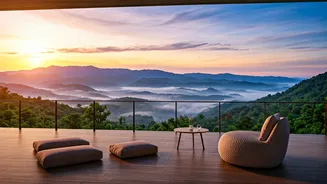
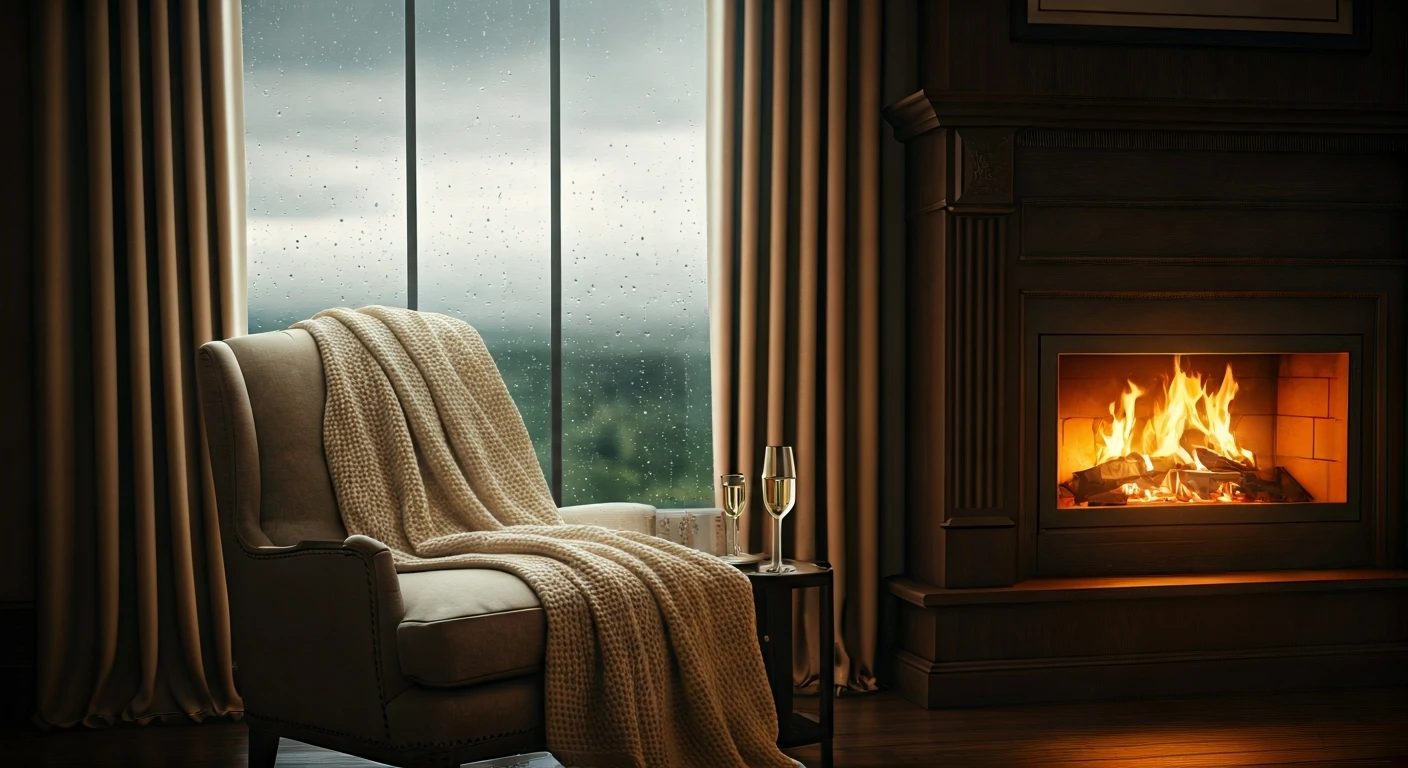
Call it the “hygge” effect or the influence of aspirational cabin accounts on social media, but aesthetics matter. Today’s hill stays are far from rustic, bare-bones shacks. They are design-forward sanctuaries featuring floor-to-ceiling windows, outdoor hot tubs with panoramic views, gourmet kitchens, and roaring fireplaces. This blend of rugged nature and curated comfort creates a powerful appeal. Couples get the feeling of being immersed in the wild without sacrificing luxury. It’s about snuggling under a cashmere throw with a glass of wine after a day of exploring—a cozy, photogenic, and deeply romantic ideal.
4. Wellness, Minus the Rigid Itinerary
The concept of a “wellness retreat” is also being redefined. Instead of signing up for a week of scheduled yoga classes and juice cleanses, couples are finding that nature itself is the ultimate restorative amenity. The simple act of breathing fresh mountain air, taking a walk through a forest (a practice known as 'forest bathing'), and disconnecting from the constant ping of notifications can be more rejuvenating than any structured program. A hill stay offers wellness on a couple’s own terms—a digital detox, a peaceful environment for reflection, and the space to simply be present with one another.
5. A More Sustainable and Mindful Choice
For many, choosing a destination closer to home is a conscious decision. Opting for a domestic mountain escape over a long-haul international flight can feel like a more sustainable and less stressful choice. It minimizes travel fatigue and carbon footprints while supporting local economies. This trend aligns with a broader shift towards more mindful consumption, where the value of an experience is measured not by the miles traveled but by the quality of the time spent. A stunning stay in the mountains of Vermont, Colorado, or Northern California can feel just as exotic and special as a faraway island, proving that the greatest luxury is often peace, quiet, and a beautiful view.