
The New Era of Greens
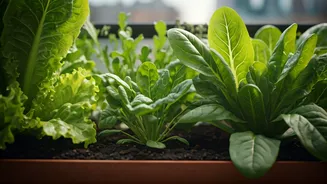
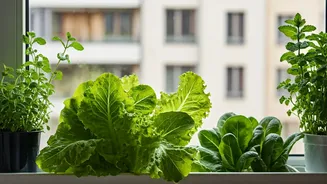
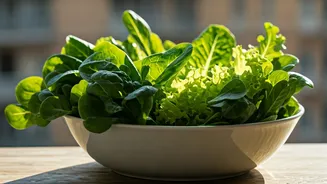
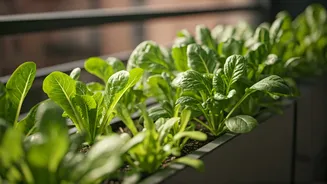
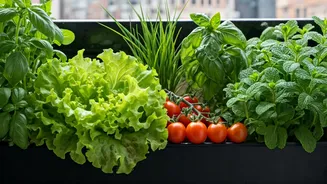
The foundation of any great salad is the greens, and this is where the glow-up begins. We're moving past generic lettuce seeds to specialized, container-friendly varieties. Think compact, vibrant lettuces that are bred for a “cut-and-come-again” harvest.
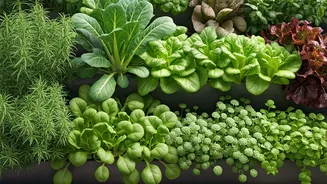
Varieties like ‘Salanova’ or ‘Black Seed Simpson’ allow you to snip the outer leaves for your daily salad, while the plant’s center continues to produce for weeks. This method transforms your balcony from a place where you grow a single head of lettuce to a personal, perpetual salad bar. You can find seed blends specifically mixed for this purpose, offering a variety of colors, textures, and flavors—from peppery arugula to mild oakleaf—all from one or two pots.
Beyond the Lettuce Bowl
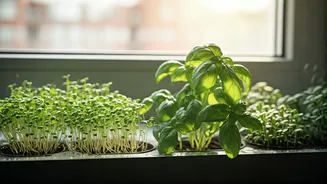
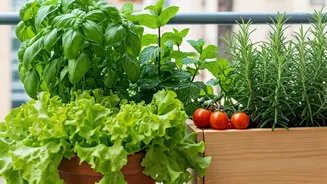
A true gourmet salad is a symphony of flavors and textures, not just a pile of leaves. The modern balcony farm embraces this with a supporting cast of compact, high-impact plants. Look for dwarf or patio varieties of your favorite vegetables. ‘Patio Pride’ bush beans provide a satisfying crunch, while small, round radishes like ‘Cherry Belle’ can be ready to harvest in under a month. Don't forget the flavor bombs: herbs. A pot of Genovese basil, curly parsley, and chives is non-negotiable. For the advanced salad artist, edible flowers like nasturtiums or pansies add a peppery note and a pop of color that will make your salads the envy of Instagram.
Smarter, Stylish Containers
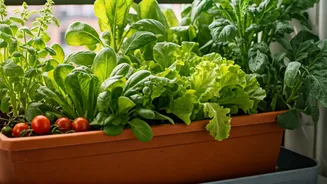
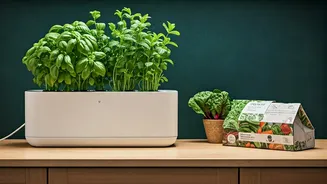
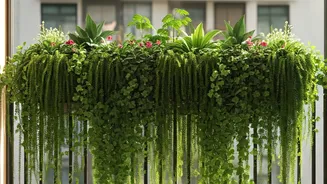
The days of flimsy terracotta pots are over. The balcony glow-up is powered by better technology and design. Self-watering planters have become a game-changer for busy urbanites, using a reservoir system to keep soil consistently moist without the risk of over- or under-watering. This is crucial for thirsty plants like lettuce. For those with truly tiny spaces, vertical gardening systems are the answer. These tiered planters or pocketed wall hangers allow you to grow an entire salad garden in a few square feet of vertical space. And aesthetics now matter. Companies are producing sleek, modern containers in a range of colors and materials that complement your outdoor decor, turning your functional garden into a beautiful design feature.
The Secret is in the Soil
You can have the best seeds and the prettiest pots, but if your soil is poor, your garden will fail. This is the single most important, and often overlooked, part of a successful container garden. Plants in pots are entirely dependent on you for nutrients. Don’t use soil from your yard, which is too dense and can contain pests. Instead, invest in a high-quality, lightweight potting mix specifically designed for containers. These mixes are engineered for optimal drainage and aeration. To keep your salad factory producing all season, you’ll also need to feed your plants. A weekly or bi-weekly dose of a balanced, water-soluble organic fertilizer provides the necessary nutrients to fuel continuous growth, ensuring your greens are lush and your veggies are plump.
Harvesting for Abundance
The final piece of the puzzle is learning how to harvest correctly to maximize your yield. The “cut-and-come-again” technique is your best friend. For leafy greens, never pull the whole plant. Use clean scissors to snip the outer leaves, about an inch above the base, leaving the central growing point intact. The plant will regenerate, giving you another harvest in a week or two. For herbs like basil and mint, regular trimming actually encourages bushier, more productive growth. By harvesting smart, you create a regenerative system where a small collection of plants can provide you with fresh salad ingredients for months, turning your grocery bill into a source of gardening pride.