





The Allure of the Arabian Road Trip
When Americans think of Arabian Peninsula travel, self-drive road trips are rarely the first thing that comes to mind. But Oman is rapidly changing that perception. Unlike some of its neighbors known for vertical cities, Oman has invested heavily in horizontal
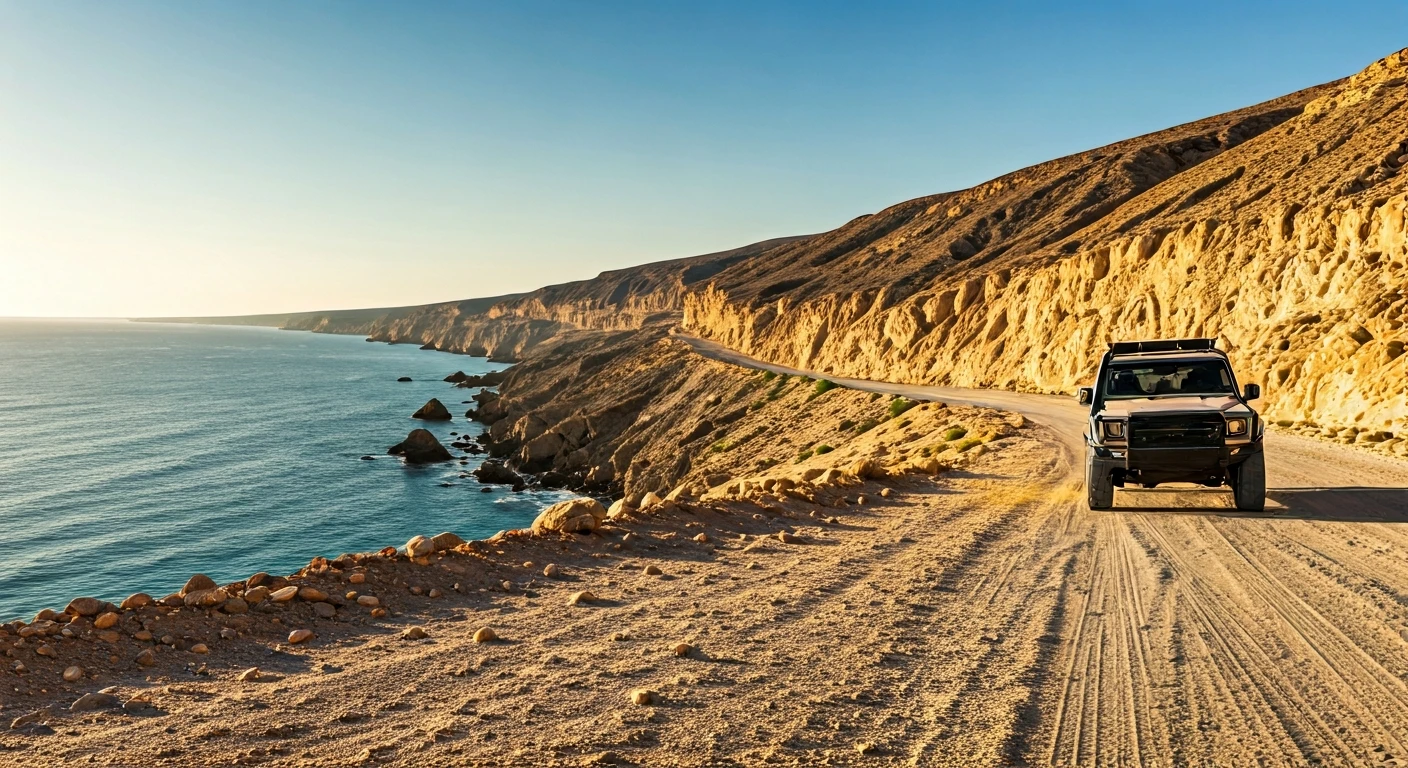
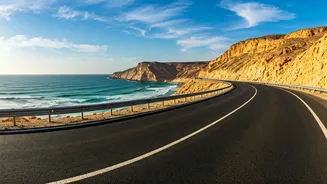
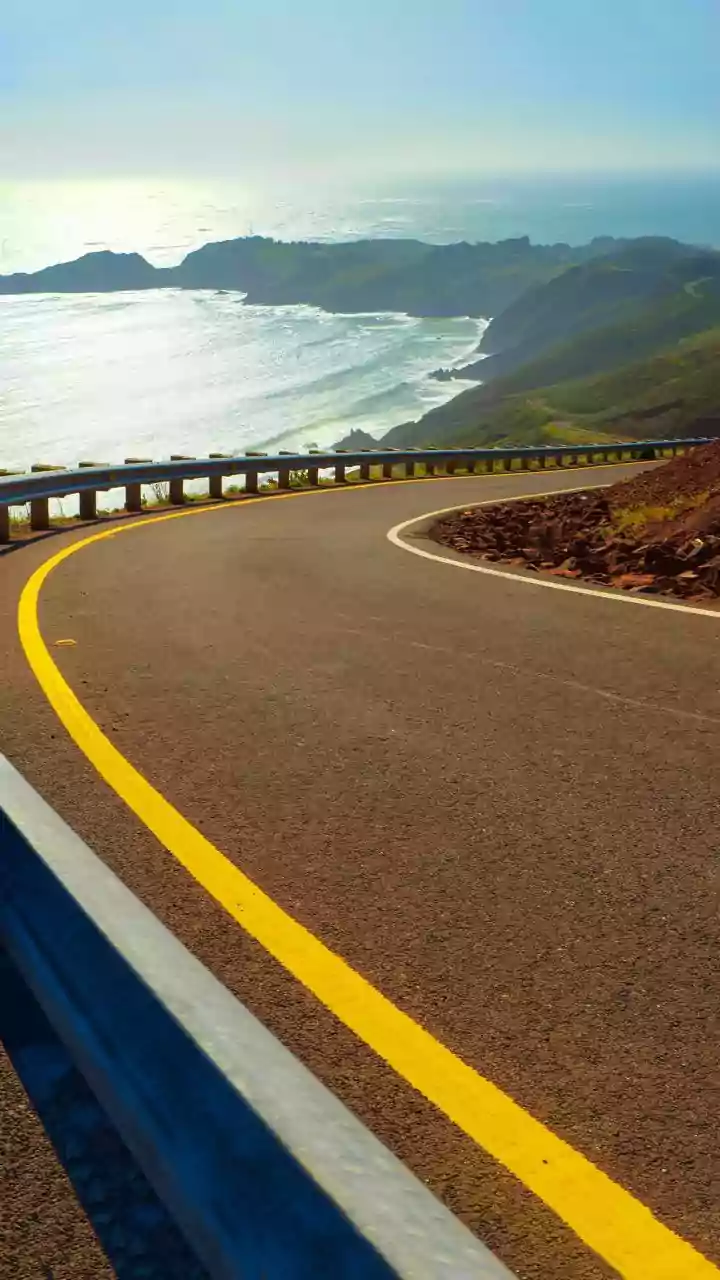
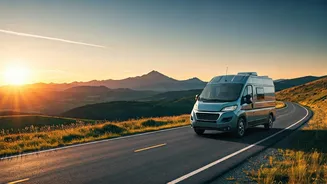
infrastructure: thousands of miles of immaculately maintained, well-lit, and clearly signposted highways. This commitment to quality roads, combined with a reputation for safety and legendary hospitality, has created a perfect environment for independent travelers. Driving here isn't just a means of getting from A to B; it's the experience itself. The journey along the coast from the capital, Muscat, southward toward Salalah offers a breathtaking procession of pristine beaches, dramatic cliffs, and ancient fishing villages. It’s an adventure that feels both exotic and surprisingly accessible, offering a level of freedom and discovery that group tours simply can't match.
Mapping Your Coastal Journey
The classic Omani coastal drive begins in the capital, Muscat, a charming city that blends modern amenities with traditional architecture. From there, the highway south toward the city of Sur is the main artery of adventure. A must-see stop just 90 minutes from Muscat is the Bimmah Sinkhole, a stunning limestone crater filled with emerald-green water perfect for a quick swim.
Further along, the road provides access to some of the country’s famous ‘wadis’—lush river canyons that feel like hidden oases. Wadi Shab is a favorite, requiring a short boat ride and a 45-minute hike to reach a series of breathtaking natural pools and waterfalls. As you approach Sur, a historic port town known for its traditional dhow-building yards, you can detour to Ras al Jinz Turtle Reserve. Here, visitors can witness green turtles nesting on the beach, a truly unforgettable nightly spectacle.
What to Expect Behind the Wheel
For the American driver, navigating Oman is refreshingly straightforward. Car rentals are readily available at Muscat International Airport, with familiar international brands like Hertz and Avis offering a range of vehicles. While a standard sedan is sufficient for the main highways, renting a 4x4 is highly recommended. It’s not for the coastal road itself, but for the freedom to explore the dirt tracks leading to secluded beaches, mountain villages in the Jebel Akhdar range, or the vast desert of the Empty Quarter.
Signage on major roads is in both Arabic and English, and gas stations are plentiful and modern. Driving is on the right side of the road, just like in the U.S. While city driving in Muscat can be busy, once you're on the open highway, traffic thins out dramatically, often leaving you with the road almost to yourself. Local drivers are generally courteous, though a defensive driving mindset is always wise.
Beyond the Highway: Scenery and Culture
The real magic of an Omani road trip lies in the spontaneous stops. You can pull over at an empty, white-sand beach for an impromptu picnic, hike into a wadi you spotted from the road, or accept an invitation for sweet tea and dates from a friendly local. Omani culture is deeply rooted in hospitality, and travelers are often met with genuine warmth and curiosity.
This journey is also a trip through time. The coastline and its hinterland are dotted with hundreds of ancient forts, watchtowers, and ruins. The beautifully restored forts at Nizwa and Jabreen, though slightly inland from the main coastal route, are well worth the detour and provide a tangible connection to the country’s rich history as a trading empire. This blend of stunning nature, modern comfort, and accessible history is what makes driving in Oman a truly unique proposition.