





1. What Exactly Is a 'Cloud Road'?
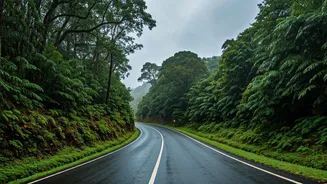
The term “cloud road” is a poetic name for a very real and breathtaking meteorological event. It occurs when high-altitude roads climb into the cloud layer itself. During monsoon seasons or in perpetually misty coastal or mountain regions, low-hanging
clouds and dense fog become so thick that they completely envelop the landscape. Drivers find themselves literally inside a cloud, with visibility often dropping to just a few feet. The effect is surreal: guardrails seem to float, treetops emerge and disappear like ghosts, and the familiar act of driving becomes a slow, meditative journey through an ethereal, water-logged sky. While it can happen anywhere with the right elevation and weather, it’s most famously associated with the dramatic, moisture-rich air of a monsoon.
2. The Western Ghats, India: The Monsoon Mecca
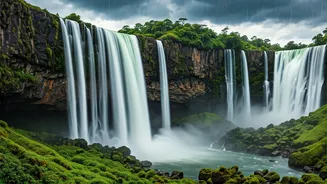
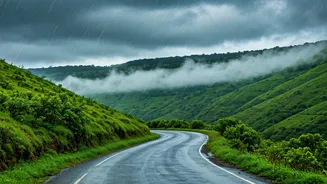
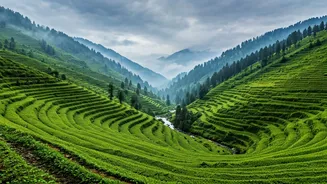
Nowhere are cloud roads more iconic than in India's Western Ghats during the monsoon (roughly June to September). This mountain range, a UNESCO World Heritage site, explodes with life. As rain sweeps in from the Arabian Sea, the Ghats’ winding roads are transformed. Routes like the Malshej Ghat in Maharashtra or the roads around Munnar in Kerala become legendary destinations. Temporary waterfalls cascade over cliffs, the foliage turns a shocking, vibrant green, and the clouds descend. Driving here is an immersive experience. You’ll see local vendors selling roasted corn on the cob and hot tea from roadside stalls—small, warm beacons in the cool, white expanse. It’s a trip that engages all the senses, from the smell of wet earth to the chill of the mist on your skin.
3. America’s Own Otherworldly Drives
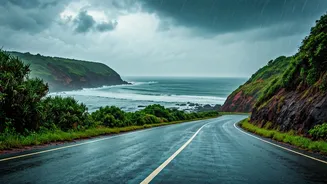
You don't have to travel to Asia to experience this phenomenon. The U.S. has its own spectacular versions, albeit driven by different weather patterns. The Blue Ridge Parkway, winding through Virginia and North Carolina, is famous for its rolling fog, especially in the mornings. The clouds often settle in the valleys, creating a “sea of clouds” below you, but just as often, the road itself is swallowed by mist, making the drive feel quiet and mystical. Similarly, California’s Pacific Coast Highway on a foggy day offers a dramatic coastal version, where the line between sea spray, fog, and low cloud blurs into one. And in the Pacific Northwest, roads in Mount Rainier National Park frequently take you above and through the cloud line, offering a moody, atmospheric alternative to a clear-sky panorama.
4. The Hai Van Pass, Vietnam: Ocean of Clouds
Known as the “Ocean Cloud Pass,” Vietnam’s Hai Van Pass is another world-class example of a cloud road. This 13-mile stretch of winding highway separates the city of Da Nang from the coastline of Lang Co. Its fame comes from the way it snakes up a spur of the Annamite Range that juts into the sea, acting as a weather divider. Clouds often get trapped on the peak, meaning you can start your ascent in clear sunshine, drive through a thick, disorienting fog bank at the summit, and descend into clear weather on the other side. Made famous globally by TV shows like *Top Gear*, the pass is a rite of passage for many travelers in Southeast Asia, offering a thrilling combination of hairpin turns, historic fortifications, and the sheer magic of disappearing into the sky, only to reappear moments later with a stunning new coastal view.
5. The Beauty and The Warning
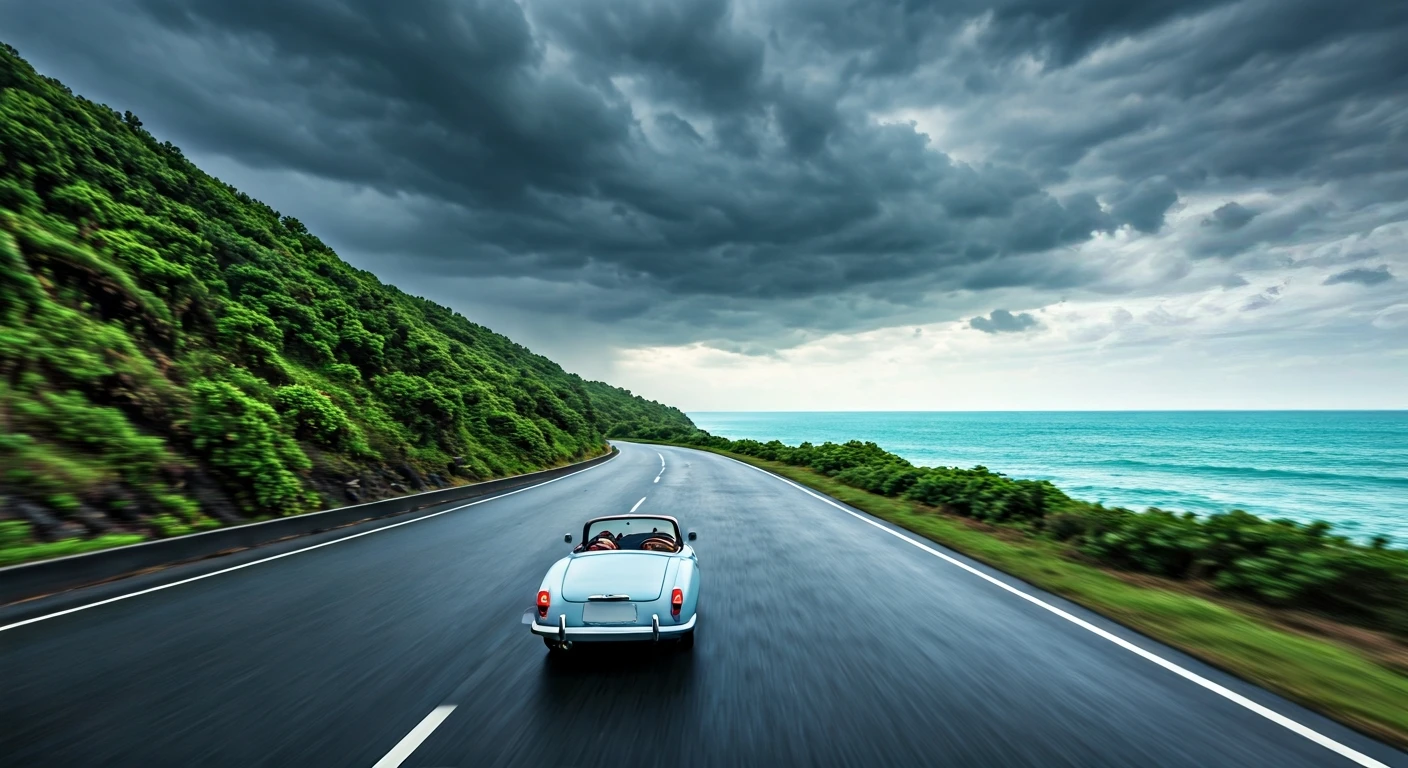
The allure of a cloud road is undeniable. It’s a photographer’s dream and an adventurer’s delight, turning a standard A-to-B journey into the main event. The silence, the obscured views, and the slow, careful pace can feel incredibly peaceful. However, the beauty comes with a clear warning: it’s dangerous. Visibility can drop to almost zero in an instant. Roads can be slippery, and unseen hazards like potholes, animals, or other vehicles are a constant risk. The key to enjoying a cloud road is to embrace the slowness. Drive well below the speed limit, use your low-beam headlights (high beams reflect off the fog and worsen visibility), stay alert, and be prepared to pull over if conditions become too intense. It’s a journey that rewards patience above all else.