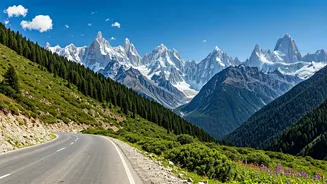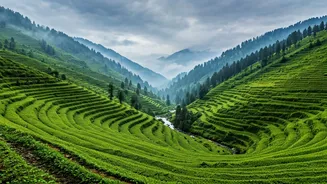


The Geographic Sweet Spot
In a country known for its climatic extremes, Gangtok, the capital of the northeastern state of Sikkim, occupies a rare and coveted middle ground. Perched at an altitude of about 5,410 feet, it exists in a subtropical highland climate zone—a term that
translates to 'just right' for much of the year. While the plains of neighboring West Bengal bake in oppressive summer heat, Gangtok remains pleasantly warm. And while the towering Himalayan peaks just beyond are locked in year-round ice and snow, Gangtok avoids the harshest of the high-altitude cold. This unique positioning makes it not just a city, but a sanctuary. It’s a place where you can wear a light jacket in the morning, shed it for a sunny afternoon stroll, and then welcome its warmth again as evening mist rolls down from the mountains. This Goldilocks climate is the city’s first and most profound gift to visitors, offering physical comfort as a foundation for exploration.
A Civilized Basecamp for Adventure
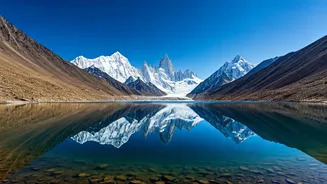
Gangtok's 'in-between' nature extends beyond its weather. It serves as an ideal basecamp, a civilized launching point for excursions into the wilder, more extreme landscapes that surround it. The city itself is a bastion of order and charm, famous for its cleanliness and its pedestrian-only main thoroughfare, MG Marg. Here, you can sip on locally grown Temi tea at a modern cafe, shop for intricate Tibetan handicrafts, and enjoy a surprising variety of cuisines. But from this comfortable hub, the raw beauty of the Himalayas is just a day trip away. Travelers can arrange permits and hire vehicles to visit the stunningly beautiful, high-altitude Tsomgo Lake, frozen for half the year, or brave the winding roads up to Nathu La Pass on the border with Tibet (for Indian nationals), a stark, windswept frontier sitting above 14,000 feet. You get the thrill of the high mountains without having to live in them, returning by evening to the comfort of a hot meal and a comfortable hotel bed in Gangtok.
A Cultural Crossroads
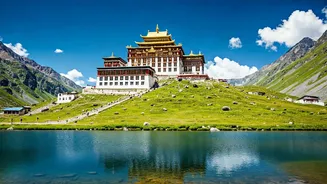
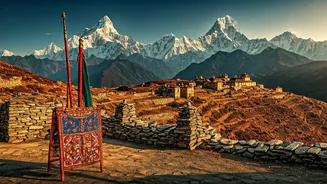
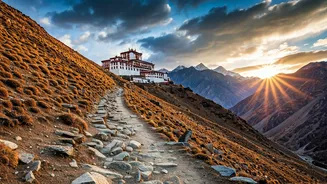
The city's location has also made it a melting pot of cultures. It's a place where the spiritual tranquility of Tibetan Buddhism coexists with the vibrant energy of modern India. The sound of prayer wheels spinning at monasteries like Rumtek and Enchey provides a constant, meditative backdrop to city life. These stunning monastic complexes, adorned with vibrant murals and golden statues, are not just tourist sites but living centers of faith and learning, offering a window into the region's deep connection to Tibetan heritage. At the same time, the city's markets and streets are filled with a diverse population of Bhutia, Lepcha (Sikkim's indigenous people), and Nepali communities, each contributing to a rich tapestry of food, language, and tradition. This blend creates a unique atmosphere that is distinctly Himalayan yet accessible and welcoming to outsiders. It’s a place where you can feel a thousand miles from the familiar without ever feeling entirely lost.
Views Without the Vertigo
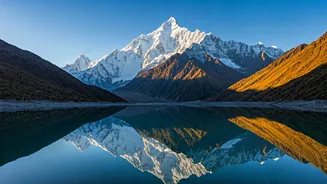
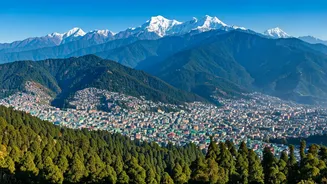
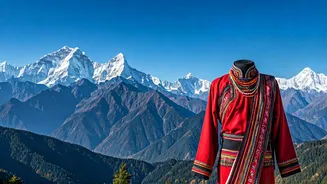
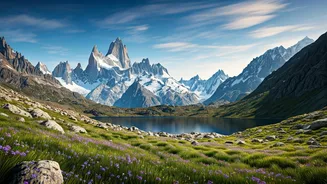
Perhaps Gangtok's greatest reward is its ability to offer the sublime without demanding extreme effort. On a clear morning, from viewpoints like Tashi View Point or even from certain hotel balconies, the horizon is dominated by the breathtaking massif of Kangchenjunga, the world's third-highest mountain. Seeing its snow-covered peaks turn from pink to gold as the sun rises is a quasi-religious experience. Unlike in other trekking-heavy regions, you don't need to be an elite mountaineer to witness this spectacle. The view is a democratic one, offered freely to anyone who happens to be there when the clouds part. This embodies Gangtok's core appeal: it places the grandeur of the Himalayas within reach, allowing you to appreciate the 'mountain cold' from a place of perfect, temperate comfort.