


Beyond the Usual Suspects
For decades, “healthy grain” in the American kitchen meant a handful of options: brown rice, whole wheat bread, and maybe some oatmeal. While these are worthy staples, a culinary world full of texture, flavor, and history lies just beyond them. Enter
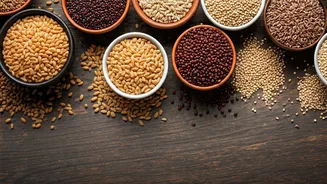
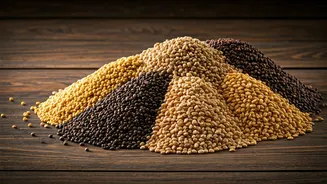
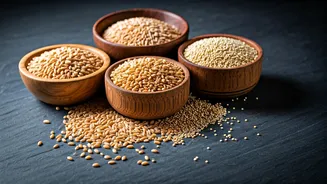
the so-called “ancient” or “heirloom” grains—varieties that have been cultivated for centuries, often in their original form. These aren’t new, lab-created superfoods; they are agricultural heirlooms, passed down through generations. Incorporating them into your diet is less about chasing a trend and more about rediscovering a rich, diverse, and flavorful pantry. This approach transforms healthy eating from a rigid set of rules into a delicious exploration, grounding your daily meals in something timeless and real.
Farro: The Hearty Roman Staple
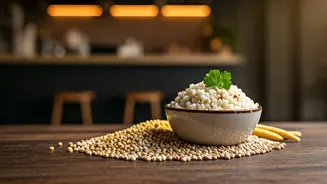
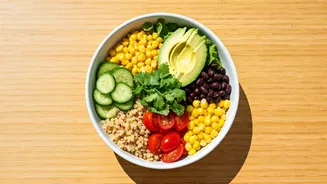
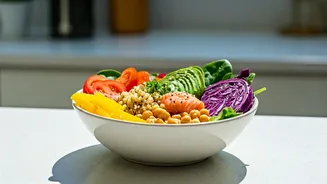
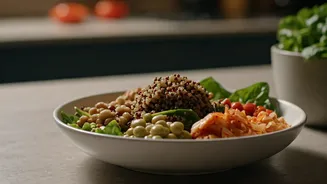
If you’re looking for a gateway into better grains, start with farro. This ancient wheat variety was a staple for the Roman legions, prized for its ability to sustain soldiers on long marches. Its staying power is no surprise: farro is packed with fiber, protein, and nutrients like magnesium and zinc. But its appeal is just as much about taste and texture. With a delightfully chewy bite and a subtle, nutty flavor, farro is incredibly versatile. It holds its shape beautifully, making it perfect for hearty salads tossed with roasted vegetables and vinaigrette. It can be simmered into a risotto-style “farrotto,” used as a base for grain bowls, or added to soups and stews to provide satisfying heft. Look for pearled farro for a quicker cooking time (around 20-25 minutes) to easily integrate it into weeknight meals.
Quinoa & Amaranth: Andean Powerhouses
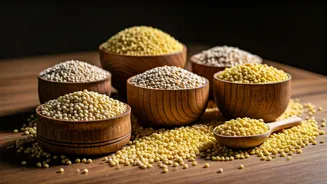
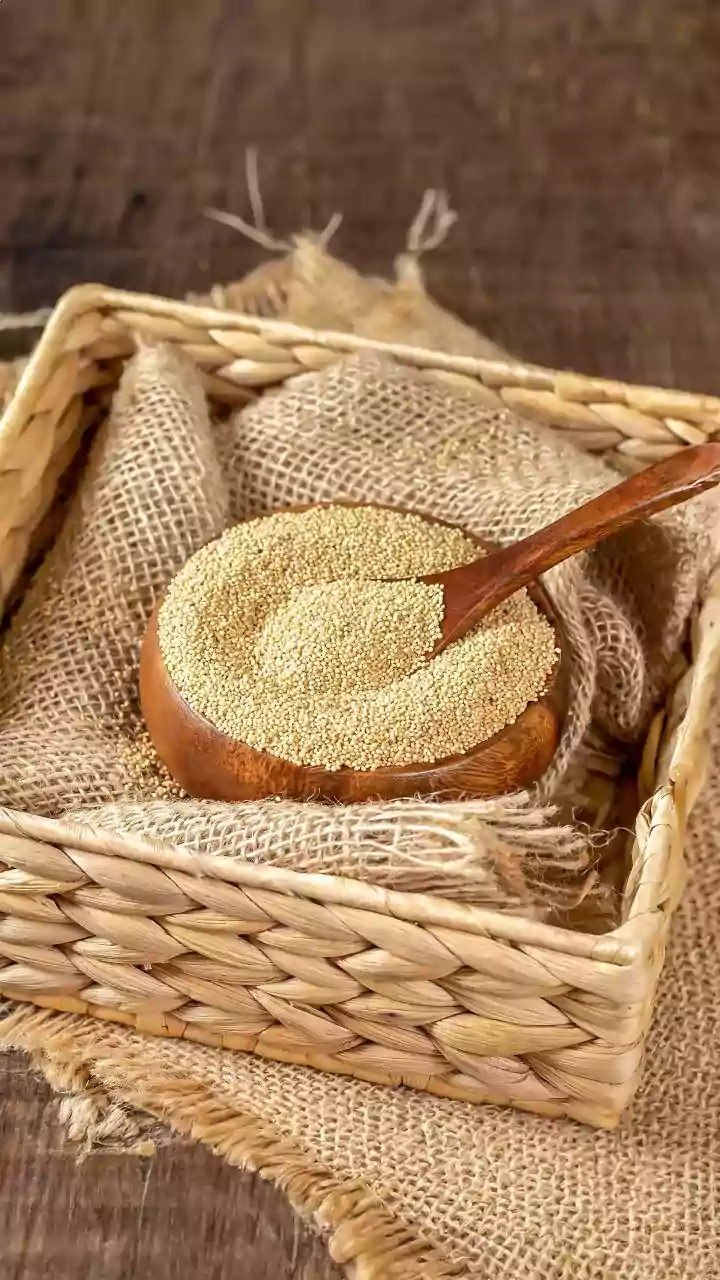
Once confined to health food stores, quinoa is now a grocery store fixture. But its ubiquity can mask its remarkable history. A staple of Andean cultures for thousands of years, this “pseudo-cereal” (it’s technically a seed) is a rare plant-based complete protein, containing all nine essential amino acids. Its cousin, amaranth, shares a similar profile and was a cornerstone of the Aztec diet. While quinoa has a mild, slightly grassy flavor and a fluffy texture, amaranth cooks into a more porridge-like consistency, making it ideal for a supercharged breakfast bowl. To get the most out of quinoa, rinse it thoroughly before cooking to remove its natural coating, saponin, which can impart a bitter taste. Use it as a simple side dish, a protein-boosting addition to salads, or a base for vegetarian burgers.
Freekeh & Spelt: Smoky and Substantial
Ready to explore deeper flavors? Freekeh and spelt are fantastic next steps. Freekeh is not a type of grain but a process: young green wheat is harvested and then roasted, which imparts a unique, smoky flavor and a firm, chewy texture. Popular in Middle Eastern cuisine, it’s a game-changer for anyone tired of bland grain bowls. Its savory character pairs beautifully with herbs, lemon, and rich meats or cheeses. Spelt, another ancient wheat variety with a sweeter, nuttier profile than common wheat, is often sold as whole “berries” for cooking or milled into flour. Spelt berries can be cooked and used like farro, while spelt flour adds a rustic depth to pancakes, muffins, and hearty breads. These grains don't just add nutrients; they add genuine character to a dish.
Making It a Simple Habit
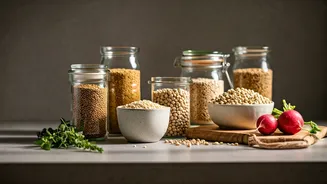
Adopting better grains doesn’t require a complete kitchen overhaul. The key is simple, gradual integration. Start by making one small swap a week. Instead of white rice with your stir-fry, try a scoop of cooked farro. Instead of a plain green salad for lunch, toss in a half-cup of chilled quinoa for substance. Try making a pot of a new grain on Sunday and using it in different meals throughout the week. This isn't about perfection or purity; it's about adding variety, flavor, and a sense of discovery to your plate. By choosing ingredients with a story, you’re not just feeding your body—you’re connecting your modern life to a long, rich, and deeply human culinary tradition.